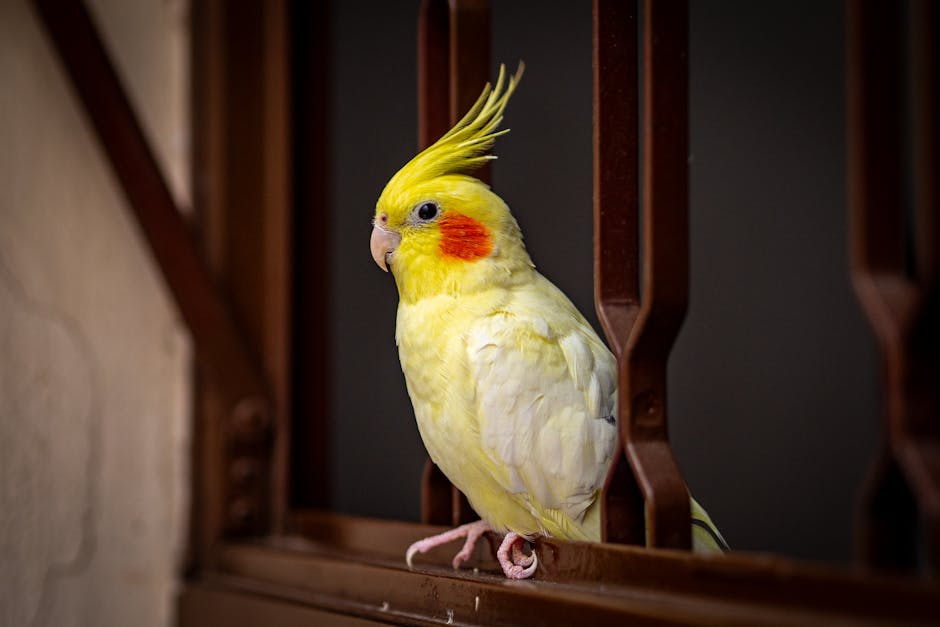
Are you thinking about welcoming a cockatiel into your home? These delightful birds can bring joy, companionship, and a touch of wild beauty to your life.
But before you get started, it’s essential to know the ins and outs of cockatiel bird care. You might be wondering how to keep your feathered friend happy and healthy. How do you create an environment where your cockatiel can thrive?
You’ll discover simple, effective tips that will transform your home into a perfect haven for your new pet. Dive in, and unlock the secrets to a fulfilling relationship with your cockatiel, ensuring a lifetime of chirpy happiness for both of you.
Credit: www.pbspettravel.co.uk
Choosing The Right Cockatiel
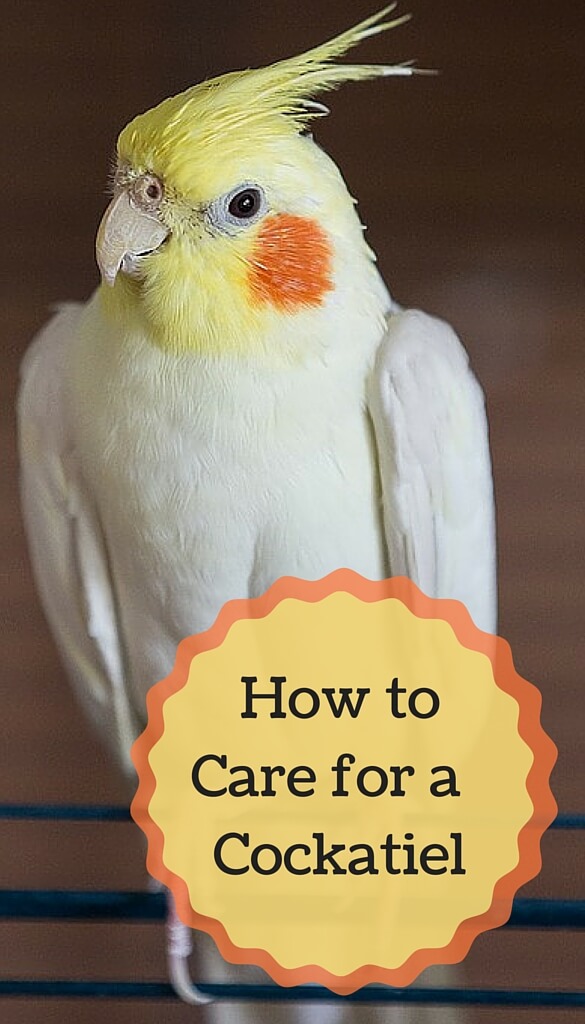
Selecting the perfect cockatiel involves understanding its care needs. These birds require a balanced diet, social interaction, and regular health checks. Proper attention ensures they thrive in a loving home environment.
Selecting the right cockatiel is an important step. A good choice ensures a happy, healthy pet. These charming birds make great companions. They are social, intelligent, and easy to care for. Before bringing one home, consider a few key factors.Selecting A Healthy Bird
Choose a bird that appears alert and active. Look for bright eyes and clean feathers. A healthy cockatiel should have a smooth beak and claws. Observe its behavior in the cage. A lively bird is usually in good health. Check for signs of illness like puffed-up feathers. A vet checkup can also help ensure good health.Male Vs Female Cockatiels
Males and females differ in several ways. Males often sing and whistle more than females. They may also be more social and outgoing. Females tend to be quieter and more reserved. They can lay eggs even without a mate. Each gender has its unique charm. Consider what suits your lifestyle best. Both make wonderful pets with proper care. `
Credit: www.pinterest.com
Creating A Comfortable Home
Cockatiels are delightful and affectionate pets that thrive with proper care. Creating a comfortable home is vital for their happiness and health. A well-organized space helps your bird feel safe and secure. Let’s explore the essentials of a cozy cockatiel habitat.
Cage Size And Setup
The cage is your cockatiel’s sanctuary. Choose a spacious cage, allowing free movement. Aim for at least 20 inches wide and 24 inches high. Horizontal space is crucial for wing stretching. Place the cage in a quiet, well-lit area. Avoid direct sunlight and drafts. Ensure the bar spacing is safe, around half an inch. This prevents accidents and keeps your bird secure.
Arrange perches at varied heights. This mimics a natural environment. Use natural wood for perches. It maintains healthy feet and beaks. Include a few perches of different thicknesses. This promotes exercise and comfort.
Safe Accessories And Toys
Accessories and toys keep your cockatiel engaged. Opt for safe materials like untreated wood and stainless steel. Avoid toxic materials or small parts that pose choking risks.
Choose a variety of toys. Bells, ladders, and ropes are great options. Rotate toys regularly to maintain interest. Observing your cockatiel’s preferences helps in selecting the right toys.
Provide a water dish for bathing. Cockatiels enjoy splashing around. Ensure fresh water is always available.
Feeding Your Cockatiel
Proper nutrition is crucial for cockatiel bird care. Offer fresh fruits, vegetables, and seeds daily to ensure a balanced diet. Clean water should always be available for these sociable birds.
Feeding your cockatiel is a crucial aspect of its care, impacting not only its health but also its happiness. As a bird owner, you want to provide a diet that ensures your feathered friend thrives. Proper nutrition is the foundation of a lively, chirpy, and healthy cockatiel. Have you ever wondered if your cockatiel’s diet is balanced enough for its active lifestyle? Let’s explore what your bird needs to stay fit and what to avoid to prevent potential health issues.Balanced Diet Essentials
A balanced diet for your cockatiel includes seeds, pellets, fruits, and vegetables. Seeds are a staple, but they should not be the only thing your bird eats. Pellets provide essential nutrients often missing from seeds alone. Incorporate fresh fruits and vegetables daily. Options like carrots, spinach, apples, and berries are nutritious and loved by most cockatiels. Ensure variety to keep your bird interested and to cover a range of vitamins and minerals. Water is vital. Always provide fresh, clean water, changing it regularly to ensure it’s free from contaminants.Foods To Avoid
Certain foods can be harmful to your cockatiel. Avoid chocolate, caffeine, and alcohol as these can be toxic. Additionally, avocado is dangerous for birds, despite being healthy for humans. Stay away from salty or sugary foods. These can lead to health issues like obesity or heart problems. Limit treats and always read labels for hidden ingredients. You might be surprised that some seemingly innocent snacks could harm your pet. Feeding your cockatiel correctly is a rewarding task that strengthens your bond. Have you checked if your bird’s diet is safe and balanced today?Maintaining Health And Hygiene
Cockatiel bird care involves maintaining clean living spaces and providing fresh water daily. Regularly cleaning cages helps prevent health issues. Ensure feathers are tidy and watch for signs of illness.
Maintaining the health and hygiene of your cockatiel is crucial for ensuring they lead a happy and vibrant life. Just like humans, birds require regular care and attention to stay in top condition. By focusing on health and hygiene, you not only prevent illnesses but also strengthen the bond with your feathered friend. Imagine the joy of seeing your cockatiel’s feathers glimmer with health and their chirps ringing with energy. Let’s dive into the essentials of keeping your cockatiel at their best.Regular Vet Visits
Regular vet visits are a cornerstone of your cockatiel’s health. A vet can catch potential health issues before they become serious problems. Schedule annual check-ups and don’t wait for signs of illness to appear. Consider how you feel when you skip your own medical appointments. Your cockatiel relies on you to ensure they get timely medical care. A vet can provide insights into dietary needs and behavioral changes, adding a layer of security to your pet’s care.Grooming And Bathing
Grooming is not just about aesthetics; it’s about health. Your cockatiel needs regular grooming to keep their feathers in pristine condition. Trim their nails safely to prevent discomfort or injury. Bathing is equally important. Many cockatiels enjoy a gentle misting or a shallow bath. It helps remove dust and dirt from their feathers and can be a delightful activity for both of you. Have you ever noticed your bird looking particularly lively after a bath? It’s like a fresh start for them. Engage with them during grooming and bathing to strengthen your bond. Use it as a time to check for any unusual changes in their body or behavior. Maintaining your cockatiel’s health and hygiene might seem like a lot, but consider the rewards. A healthy bird is a happy bird, and a happy bird makes for a joyful home. Are you ready to see your cockatiel thrive?Socialization And Interaction
Cockatiels thrive on social interaction. They are naturally curious and social creatures. Spending time with them daily helps their emotional well-being. Interaction builds a strong bond between you and your cockatiel.
Understanding their needs and behaviors fosters a harmonious relationship. Let’s explore how to build trust and engage your cockatiel with fun tricks.
Building Trust With Your Bird
Trust is crucial for a healthy bond. Approach your cockatiel calmly. Speak softly to reassure them. Offer treats like millet or seeds to encourage positive interactions.
Avoid sudden movements that might scare them. Sit near their cage to let them get used to your presence. Gradually, your bird will feel comfortable around you.
Training And Tricks
Training can be a rewarding experience. Start with simple commands like “step up” onto your finger. Use repetition and patience for success.
Introduce fun tricks like turning around or nodding. Reward them with treats for every successful attempt. Keep sessions short to maintain their interest.
Remember, patience is key. Celebrate small victories with your feathered friend.
Recognizing Behavioral Signs
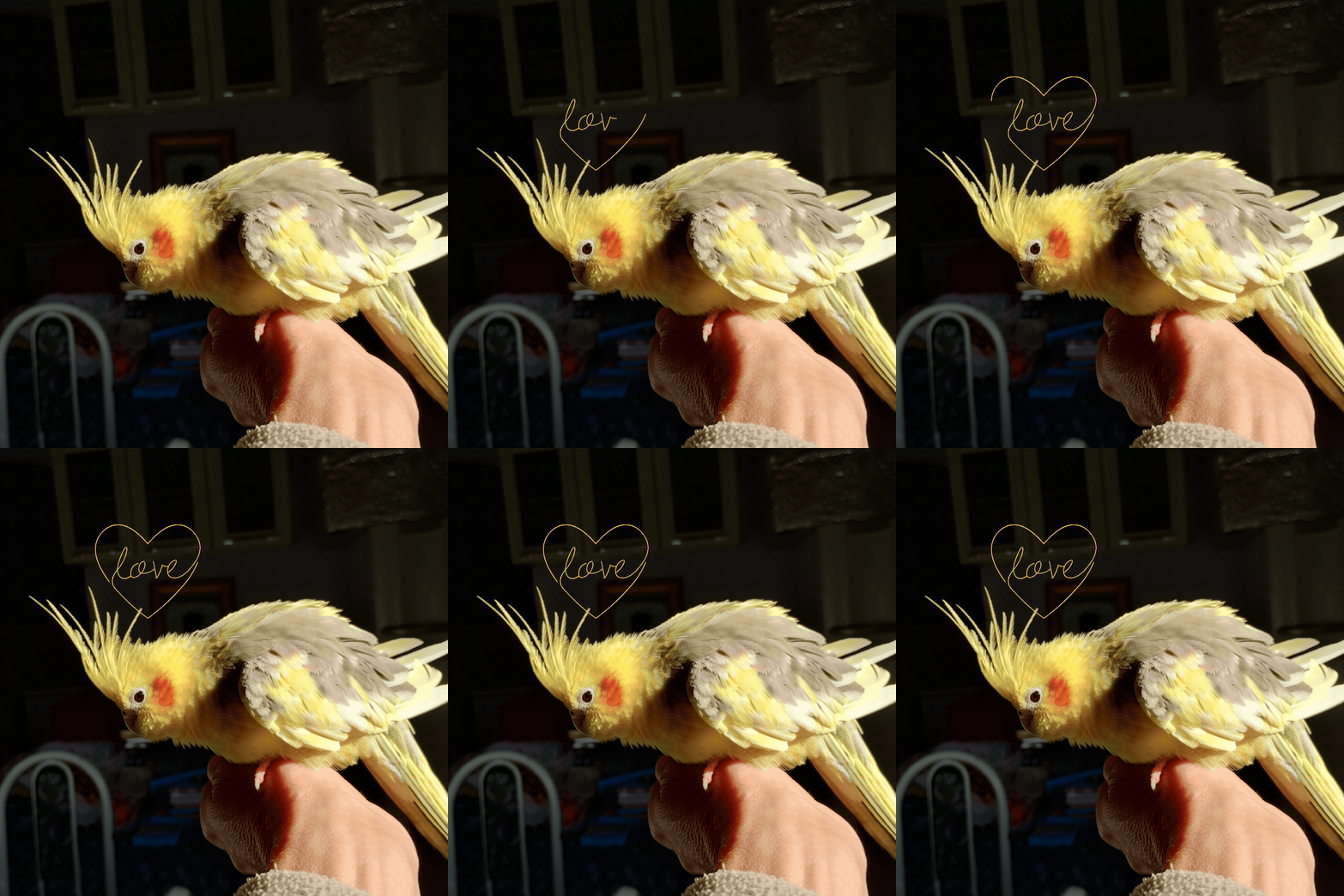
Observing cockatiels helps in understanding their needs and emotions. Watch for signs like fluffing feathers or head bobbing. These behaviors indicate comfort or distress, guiding you in providing proper care.
Understanding your cockatiel’s behavior is crucial for their well-being. These birds, with their distinct personalities, communicate a lot through their actions. Recognizing behavioral signs can help you ensure your feathered friend is happy and healthy.Common Cockatiel Behaviors
Cockatiels exhibit a range of behaviors that reflect their mood and health. You’ll often see them preening, which is a sign of a content and comfortable bird. Preening involves them cleaning and arranging their feathers, a natural behavior that keeps them looking their best. Another common behavior is whistling or mimicking sounds. This indicates they are engaged and curious about their environment. My cockatiel, Sunny, loves to mimic the doorbell, much to the amusement of my guests. Head bobbing is another behavior often seen in male cockatiels. It’s a way for them to show excitement or attract attention.Signs Of Stress Or Illness
It’s important to notice when your cockatiel is stressed or unwell. If they fluff up their feathers and stay that way for long periods, it could indicate illness. This behavior is their way of conserving heat and energy, often a red flag for health issues. A decrease in chirping or a sudden quietness can signal stress or discomfort. If your normally chatty cockatiel stops vocalizing, it’s worth investigating further. Watch out for changes in eating habits. If they start eating less or refuse their favorite treats, it might be time for a vet visit. Have you ever noticed your cockatiel pacing back and forth? This could be a sign of anxiety or boredom, indicating they need more mental stimulation or interaction. Recognizing these signs can make a significant difference in your cockatiel’s life. What behaviors have you noticed in your cockatiel lately?Enhancing Their Environment
Cockatiels thrive in a stimulating and safe environment. Creating such a space keeps them healthy and happy. It enriches their daily life. A well-designed environment reduces stress and prevents boredom. It also promotes natural behaviors. Let’s explore how to enhance their living space effectively.
Safe Exploration Areas
Cockatiels love to explore their surroundings. Set up safe areas for them to do so. Use bird-safe materials. Avoid sharp objects and toxic plants. Ensure windows and mirrors are covered to prevent accidents. Supervised exploration time is crucial. It keeps them active and curious.
Enrichment Activities
Enrichment activities keep cockatiels entertained. Rotate toys to maintain interest. Include chew toys and puzzle feeders. Offer branches for perching and climbing. Vary activities to stimulate their minds. Interaction with their humans is vital. It strengthens their bond and trust.
Credit: birdsupplies.com
Frequently Asked Questions
What Do Cockatiels Eat Daily?
Cockatiels thrive on a balanced diet of seeds, pellets, fresh fruits, and vegetables. Ensure they have clean, fresh water daily. Introduce new foods gradually, and monitor their preferences and health.
How Often Should You Clean A Cockatiel’s Cage?
Clean your cockatiel’s cage once a week to ensure a healthy environment. Daily spot cleaning of food and waste is essential. Deep cleaning includes replacing substrate, washing perches, and sanitizing toys.
How Can You Tell If A Cockatiel Is Happy?
A happy cockatiel will chirp, whistle, and sing frequently. They exhibit playful behaviors and enjoy interacting with humans. A healthy appetite and active grooming are also positive signs.
How Long Do Cockatiels Live As Pets?
Cockatiels typically live for 15 to 20 years in captivity. Provide proper care, nutrition, and regular veterinary check-ups to ensure a long, healthy life. A nurturing environment promotes their well-being.
Conclusion
Caring for cockatiels brings joy and companionship. These birds need love and attention. Regularly check their food and water. Keep their cage clean and safe. Play with them daily to keep them happy. They enjoy music and gentle talk. Vet visits ensure they stay healthy.
Understand their behavior and body language. Patience and care build trust. Small efforts lead to a strong bond. Your cockatiel will reward you with affection. Enjoy every moment with your feathered friend. Cockatiel care is a rewarding journey. Embrace it with enthusiasm and love.