Are small birds constantly invading your garden or balcony? Their chirping may sound pleasant, but when they start causing damage or leaving droppings everywhere, it can quickly become frustrating.
You want to protect your space without harming these little creatures. You’ll discover simple, effective ways to keep small birds away—methods that work and are easy to use. Keep reading to find out how you can enjoy your outdoor space peacefully again.
Credit: www.callnorthwest.com
Common Small Birds To Deter
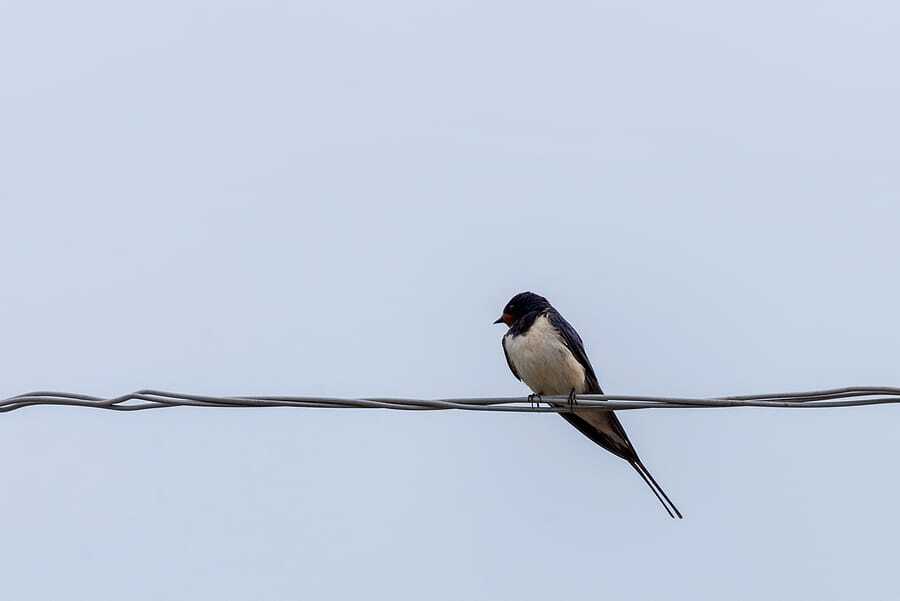
Small birds often seen near homes include sparrows, finches, and starlings. These birds can cause problems by eating seeds, damaging plants, or making nests in unwanted places. Sparrows are very common and can be noisy. Finches like seeds and can be attracted to bird feeders. Starlings are larger and can be aggressive to other birds. Knowing which birds visit your area helps to choose the right way to keep them away.

Credit: www.amazon.ca
Physical Barriers
Netting and screenscreate a strong physical block to keep birds away. Use fine mesh nettingover fruit trees or garden areas. It stops birds from reaching food or nesting spots. Screens can cover vents, windows, or balconies, preventing birds from entering or resting.
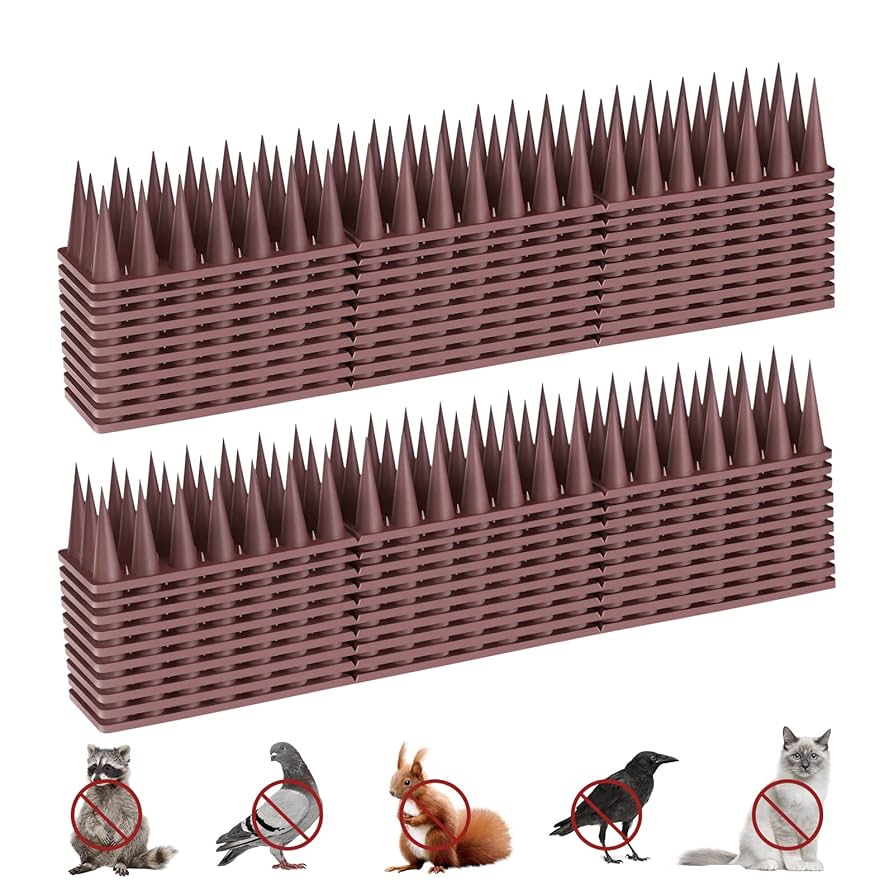
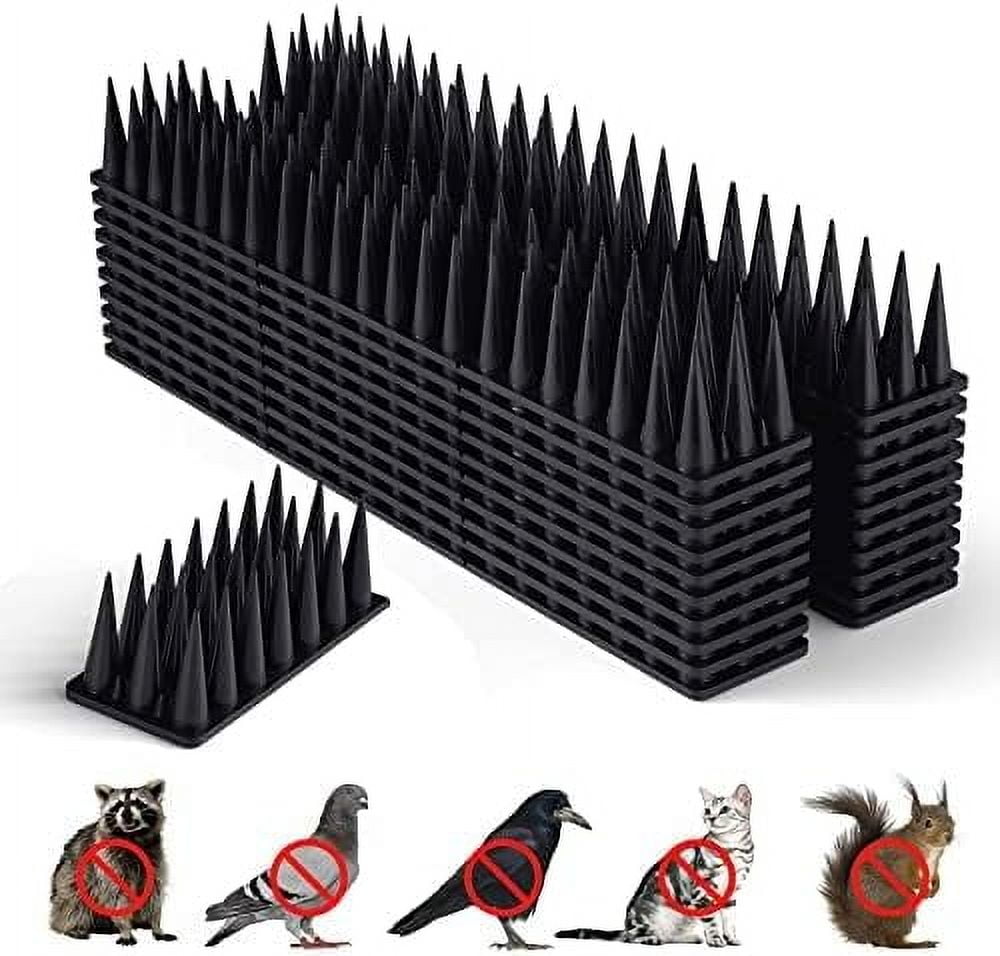
Spikes and wire stripswork by making surfaces uncomfortable for birds. Place plastic or metal spikeson ledges, roof edges, and fences. Wire strips that move or vibrate also scare birds away. Both options do not harm birds but keep them from landing.
Visual Deterrents
Reflective objectsscare small birds by shining bright light. Hang old CDs, aluminum foil strips, or shiny ribbons around your garden. The light flashes and moves with the wind, making birds feel unsafe. These objects are easy to install and cheap.
Predator decoyslook like real animals that hunt birds. Owls, hawks, and snakes are common choices. Place the decoys where birds often visit. Move them around sometimes to keep birds from getting used to them. Decoys work best when combined with other methods.
Sound Repellents
Ultrasonic devices create sounds that humans cannot hear. Birds find these sounds annoying. These devices are safe for the birds. They do not cause harm. The sound waves make birds fly away. Place these devices in areas where birds gather. These are easy to set up and use. They need power to work. Some devices use batteries. Others plug into outlets. Use them in gardens or near windows. They help keep birds away from crops.
Distress calls are recordings of birds in trouble. Birds hear these calls and get scared. They fly away to stay safe. Use speakers to play these sounds. Change the recordings often. Birds get used to the same sound. They need to believe the danger is real. This method is effective for many bird types. It helps protect gardens and homes. Distress calls are a smart choice for bird control.
Habitat Modification
Birds visit places with easy food and shelter. Removing food sourcesstops them from staying. Clear away bird feeders, spilled seeds, and open trash cans. Keep pet food indoors or covered. This makes your area less inviting.
Trimming vegetationremoves hiding spots. Cut back dense bushes and low tree branches. This reduces places birds use to rest or build nests. Open spaces make birds feel unsafe and less likely to stay.
Credit: www.walmart.com
Frequently Asked Questions
How Can I Naturally Keep Small Birds Away From My Garden?
Use reflective surfaces, bird spikes, and netting to deter birds without harming them.
What Plants Help Repel Small Birds From Outdoor Areas?
Planting herbs like mint, lavender, or marigolds can discourage birds from landing nearby.
Are There Safe, Humane Methods To Prevent Small Birds From Nesting?
Yes, using decoy predators, sound deterrents, and regular nest removal keeps birds away gently.
Conclusion
Keeping small birds away takes patience and simple steps. Use safe methods like natural repellents or bird spikes. Regularly check your garden or balcony for signs of birds. Clean up food scraps that attract them. Remember, gentle actions work best to keep birds at bay.
Stay consistent, and you will see results over time. Protect your space without harming the birds. Small changes make a big difference in keeping birds away.