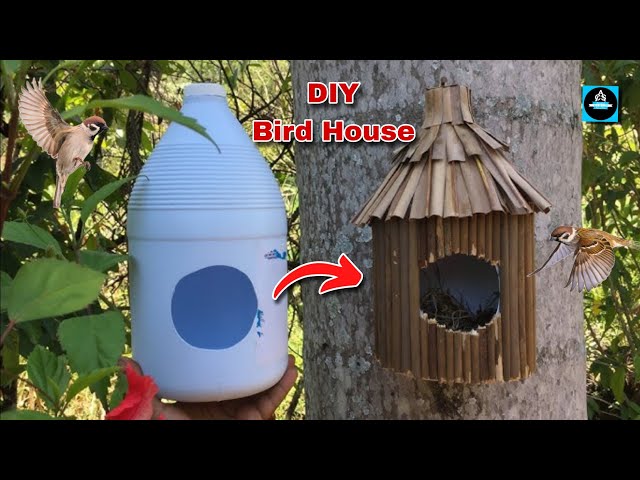
Have you ever wanted to create a cozy home for your feathered friends? Making birdhouses is a fun and simple way to bring nature closer to you.
Imagine watching colorful birds visit your garden, all because of something you built with your own hands. In this guide, you’ll discover easy steps to craft birdhouses that attract birds and brighten your outdoor space. Ready to start? Let’s dive in and make something beautiful together.

Credit: www.firstdayofhome.com
Choosing The Right Birdhouse Design
Choosing the right materialshelps make a safe and long-lasting birdhouse. Wood is the best choice because it breathes and keeps birds cool. Avoid using metal or plastic, as they get too hot or cold. Cedar and pine are good woods to use. Make sure wood is untreated and smooth to avoid harm.
Size and shapedepend on the birds you want to attract. Small birds like wrens need tiny entrances, about 1 inch wide. Bigger birds like bluebirds need wider openings, around 1.5 inches. The house should be deep enough to protect eggs and chicks but not too big. A simple square or rectangular shape works well.
| Bird Species | Entrance Size | House Size |
|---|---|---|
| Wren | 1 inch (2.5 cm) | Small (6x6x8 inches) |
| Bluebird | 1.5 inches (3.8 cm) | Medium (7x7x9 inches) |
| Chickadee | 1 1/8 inches (2.9 cm) | Small (6x6x8 inches) |
Gathering Tools And Supplies
Gathering the right tools and suppliesis key to building a birdhouse. Here’s a list of essential toolsyou will need:
- Measuring tape – for precise cuts
- Hand saw or jigsaw – to cut wood
- Hammer – for nailing pieces together
- Screwdriver – to tighten screws
- Drill – for making holes
- Sandpaper – to smooth edges
- Clamps – to hold wood steady
- Pencil – for marking measurements
Safety is important. Use safety equipmentlike:
- Safety goggles to protect eyes
- Work gloves to protect hands
- Dust mask to avoid inhaling sawdust
Keep your workspace clean and safe to avoid accidents.
Preparing Your Workspace
Clear your workspace and gather all tools before starting. A tidy area helps focus and prevents accidents while building birdhouses. Ensure good lighting and enough space to work comfortably.
Setting Up A Work Area
Choose a quiet corner in your home or garage. Ensure the space is well-lit for safety. A sturdy table or workbench is ideal for projects. Keep the area free of clutter. This prevents accidents and helps focus. Prepare your tools nearby. Hammer, saw, and drill are useful.
Organizing Materials
Gather all materials before starting. Wood, nails, and glue are essential. Check you have enough for the birdhouse size. Arrange items within easy reach. Use boxes or containers for small parts. This keeps them tidy and easy to find. Label containers if needed.
Cutting And Assembling Pieces
Start by using a ruler or tape measure to get exact sizes. Mark the wood clearly with a pencil. Double-check each measurement to avoid mistakes. Use a square tool to keep lines straight and corners right-angled.
Cut the wood along the marked lines using a saw. Take care to follow the lines closely for clean edges. Smooth the edges with sandpaper to avoid splinters.
- Use nails or screws to join the wood pieces.
- Apply wood glue for extra strength before nailing.
- Clamp the pieces together until the glue dries.
- Check that all parts fit tightly and align properly.
Adding Ventilation And Drainage
Drilling small air holesnear the top of the birdhouse helps keep the inside cool. These holes let fresh air flow in and out, which stops the birdhouse from getting too hot. Use a drill with a small bit, about 1/4 inch wide, to make the holes. Space the holes evenly for good ventilation.
Drainage openingsare important to stop water from staying inside the birdhouse. Drill several small holes in the floor so rainwater can escape. This keeps the inside dry and safe for birds. Make sure the holes are not too big to let baby birds fall through.
Finishing Touches
Use sandpaper to smooth all surfaces of the birdhouse. Start with a coarse grit to remove rough spots. Follow with a fine grit for a soft finish. Smooth edges help protect birds from injury.
Choose paint or sealant safe for outdoor use and non-toxic to birds. Apply thin, even coats for the best protection. Let each coat dry before adding another.
- Water-based paints are safer and easy to clean.
- Clear sealants keep the natural wood look.
- Avoid strong colors that attract predators.
Painting or sealing extends the birdhouse’s life. It also helps the house resist weather damage and mold.
Installing The Birdhouse
Choose a spot where birds feel safe and can find food easily. The birdhouse should be away from strong wind and direct sun. Place it near trees or bushes for cover but not too close to avoid predators.
- Mount the birdhouse on a pole or tree trunk firmly.
- Use screws or brackets to keep it steady.
- Make sure the birdhouse does not swing or tilt.
Ensure the entrance hole faces away from harsh weather. Avoid places where cats or other animals can reach. Keep the birdhouse clean and check it often for any damage. Safe homes help birds stay happy and healthy.

Credit: www.youtube.com
Maintaining Your Birdhouse
Regular cleaningkeeps the birdhouse safe and fresh for birds. Remove old nests and debris after each season. Use a brush and warm water to scrub the inside. Avoid harsh chemicals that can harm birds. Let the birdhouse dry completely before placing it back outside.
Seasonal carehelps protect the birdhouse from weather damage. In winter, check for cracks or leaks and fix them quickly. In summer, make sure the birdhouse is in a shaded spot to avoid overheating. Clean gutters and clear nearby branches to prevent pests.

Credit: www.youtube.com
Frequently Asked Questions
What Materials Do I Need To Build A Birdhouse?
Wood, nails, hammer, saw, paint, sandpaper, and screws are basic materials for a birdhouse.
How Do I Choose The Right Size For A Birdhouse?
Select size based on bird species; small birds need smaller houses, larger birds need bigger ones.
Where Should I Place My Birdhouse For Best Results?
Place birdhouses away from predators, in a quiet, shaded spot about 5-10 feet above ground.
Conclusion
Building birdhouses brings joy and helps local wildlife. You create safe homes for birds close to you. Using simple tools and materials makes the process easy. Enjoy watching birds visit your garden each day. Small steps like this protect nature around us.
Try making a birdhouse and see the difference. It’s a fun project anyone can do. Start today and invite birds to your outdoor space.