Are you tired of waking up to the sound of birds causing chaos in your garden or on your balcony? Perhaps you’re frustrated by the mess they leave behind or the way they raid your fruit trees.
If you’ve been searching for a solution, you might have heard about using sound to scare birds away. But does it really work? And if so, how can you use it effectively? You’ll discover the secrets behind using sound as a bird deterrent, learn why certain noises can make all the difference, and find out how to implement these solutions in your own space.
Stick around, and we’ll unravel the mystery of using sound to reclaim your outdoor areas.
Bird Habits And Impact
Using sound as a strategy to deter birds is effective. Loud noises can disrupt their habits, making areas less appealing. This approach helps prevent damage to crops and properties, ensuring a balanced coexistence between humans and birds.
Birds are a fascinating part of urban life, adding charm to our surroundings with their songs and colors. However, their presence isn’t always a walk in the park. Understanding their habits and impacts can help you manage and appreciate these feathered neighbors more effectively.Common Bird Species In Urban Areas
Urban areas are often home to a variety of bird species. You might see pigeons on rooftops, sparrows flitting about in parks, or starlings perched on power lines. Each of these birds has adapted to city life, thriving among the hustle and bustle. Some birds, like pigeons, are drawn to cities for the easy access to food. Others, like sparrows, find safety in the city’s many nooks and crannies. Have you noticed how some birds seem to follow you around, eyeing your sandwich? They’re experts at reading human behavior.Effects Of Bird Presence On Properties
Birds, while delightful, can have some less-than-delightful effects on your property. Their droppings can damage paint and metal over time. Nesting birds might clog gutters, leading to water damage. Noise is another concern. Early morning chirping may be pleasant to some, but a cacophony can be a nuisance. Have you ever struggled to sleep because of a bird’s persistent call? Finding ways to manage bird presence can protect your property. Simple strategies, like installing bird spikes or using sound deterrents, can make a difference. What steps will you take to balance enjoying birds and protecting your space?
Credit: www.youtube.com
Principles Of Sound Deterrents
Sound deterrents help keep birds away from unwanted areas. They use noises to change bird behavior. Understanding how sound affects birds is crucial. Different sounds can scare birds effectively. This method is humane and non-lethal. It protects crops, homes, and buildings from bird damage.
How Sound Affects Bird Behavior
Birds rely heavily on sound in their daily lives. Sounds alert them to danger or food sources. Sudden, loud noises often frighten birds. These noises trigger a flight response. Birds will avoid areas with disturbing sounds. Continuous exposure to these sounds can lead to permanent avoidance. Familiar sounds may not scare birds as much. New and varied sounds often prove more effective.
Types Of Sound Deterrents
Several types of sound deterrents exist for scaring birds. Ultrasonic devices emit sounds above human hearing range. Birds find these sounds disturbing. Distress calls mimic bird cries in danger. These calls warn birds of potential threats. Propane cannons create loud booms to startle birds. Devices that play predator sounds are also effective. Each type serves a specific purpose. Selecting the right deterrent depends on the situation.
Ultrasonic Devices
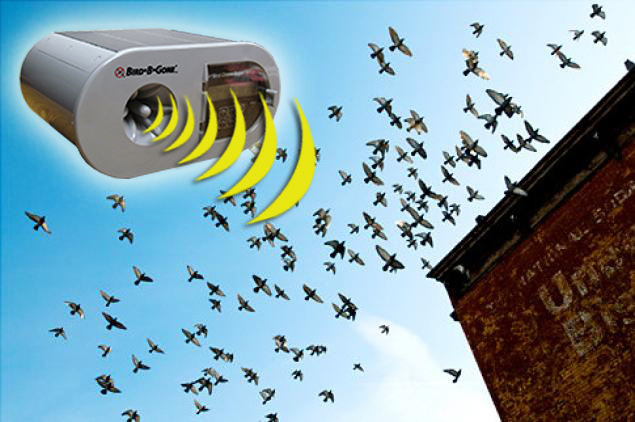
Ultrasonic devices are effective tools for deterring birds from unwanted areas. These gadgets emit high-frequency sounds that are inaudible to humans but can irritate birds. They help keep birds away from gardens, farms, and airports. Let’s explore how these devices work and their benefits and drawbacks.
Functionality Of Ultrasonic Sound
Ultrasonic sound operates beyond human hearing range. It typically falls between 20 kHz and 65 kHz. Birds can hear these sounds, causing them discomfort. The sound waves disrupt their environment, forcing them to relocate. The device sends out pulses at intervals, maintaining its effectiveness over time.
These devices can target specific bird species. Adjusting the frequency can deter certain types of birds. This makes them versatile for different settings. They are often used in conjunction with other deterrents to maximize effectiveness.
Pros And Cons Of Ultrasonic Devices
Pros include their silent operation for humans. Since people can’t hear the sound, it doesn’t disturb daily activities. Ultrasonic devices are eco-friendly. They don’t harm birds physically. Installation is easy, requiring minimal effort.
Cons involve varied effectiveness. Some birds may adapt to the sound over time. This reduces the device’s impact. The range is limited, requiring strategic placement for best results. High initial costs can be a barrier for some users. Regular maintenance is necessary to ensure proper functioning.
Credit: www.birdbgone.com
Bio-acoustic Solutions
Bio-acoustic solutions offer a natural way to deter birds. These methods use sound to influence bird behavior. They integrate nature’s own calls into the environment. This approach is eco-friendly and respects wildlife.
Using Natural Bird Calls
Natural bird calls mimic real bird sounds. These sounds can deter certain species. Birds recognize these calls as danger signals. They tend to avoid areas where they hear them. This technique is less invasive than other methods.
Natural bird calls are versatile. They can be adjusted for different bird species. This makes them effective in diverse environments. The sounds can be tailored to specific areas. This ensures minimal disturbance to non-target birds.
Effectiveness And Limitations
Effectiveness of bio-acoustic solutions varies. Some birds learn to ignore the sounds. Their adaptability can reduce the method’s impact. Frequent sound changes may be needed. This keeps birds from getting accustomed.
Limitations exist with bio-acoustic solutions. They may not work in noisy areas. Background noise can drown out the bird calls. This reduces their effectiveness. Continuous monitoring is essential for success.
Bio-acoustic solutions are part of a broader strategy. Combining them with other methods can enhance results. They provide a gentle approach to bird control. Their eco-friendly nature appeals to many users.
Pyrotechnics As Bird Deterrents
Birds can be a nuisance in agricultural areas. They damage crops and disrupt operations. Pyrotechnics offer a solution to scare birds away effectively. These tools create loud noises and visual effects that birds find frightening. Farmers and landowners use pyrotechnics to protect their investments and maintain peace in their fields.
Types Of Pyrotechnic Tools
Pyrotechnic tools come in various forms. Shell crackers are popular. They resemble fireworks and make loud bangs. These sounds startle birds and drive them away. Bird bangers are another type. They shoot into the air and explode, creating a loud noise. Each tool serves a specific purpose in bird deterrence.
Safety Considerations
Safety is crucial when using pyrotechnics. Proper training is essential for handling these tools. Always follow the manufacturer’s instructions. Wear protective gear such as gloves and goggles. Ensure the area is clear of people and animals before use. Use pyrotechnics responsibly to prevent accidents.
Automated Sound Systems
Automated sound systems are becoming a popular choice for scaring birds away from farms, gardens, and even urban areas. These systems use pre-recorded distress calls, predator noises, or other unsettling sounds to deter birds without causing them harm. They’re especially useful because they can run autonomously, allowing you to focus on other tasks while your bird problem is managed.
Integration With Other Deterrents
Combining automated sound systems with other bird deterrents can enhance their effectiveness. Visual deterrents, such as reflective tape or scarecrows, can work alongside sound systems to create a more intimidating environment for birds. You might also consider using netting or spikes in areas where birds tend to settle, adding a physical barrier to the auditory deterrents.
This integrated approach is often more successful because it targets multiple senses, making it harder for birds to adapt. Have you ever noticed how a combination of methods tends to solve problems more effectively? It’s the same with bird deterrents—using multiple strategies can cover more ground.
Maintenance And Costs
Automated sound systems require regular maintenance to ensure they remain effective. You’ll need to check the speakers and ensure the sound quality remains high. This might sound like a hassle, but a little upkeep can go a long way in maintaining your garden or farm’s tranquility.
In terms of cost, these systems can range from affordable to quite pricey, depending on the features you choose. Some systems offer customizable sounds and weatherproof designs, which might be worth the investment if you face persistent bird problems. Weighing the initial cost against the potential savings on damaged crops or property can help you decide if an automated sound system is right for you.
Have you ever found yourself weighing the costs of a new tool against its benefits? Investing in an automated sound system for bird deterrence might just offer you the peace of mind and protection you need.
Legal And Ethical Considerations
Using sound to scare birds involves more than just technology. Legal and ethical considerations are crucial. Many people use these methods to protect crops and buildings. But it’s important to be aware of the rules and moral obligations.
Regulations On Sound Deterrents
Sound deterrents must comply with local noise regulations. Each area has its own laws. Some places limit sound levels to protect wildlife and people. Breaking these laws can result in fines or penalties. Always check local rules before using sound devices.
In some countries, specific bird species have legal protection. Scaring them away might be illegal. Research local wildlife protection laws first. Consult with local authorities for guidance on legal use. This ensures compliance and avoids unnecessary legal issues.
Ethical Use Of Sound Techniques
Ethical use of sound techniques involves considering the welfare of birds. Avoid causing undue stress or harm. Loud, frequent sounds can disrupt bird habitats. Use sound deterrents sparingly and responsibly.
Consider the impact on non-target wildlife and humans. Excessive noise can disturb nearby communities. Balance the need to deter birds with the rights of others. Ethical sound use respects both nature and people.
Educate yourself on humane bird control methods. Choose techniques that minimize negative effects. Thoughtful use of sound can protect both crops and wildlife.

Credit: www.birdbgone.com
Case Studies And Success Stories
Sound deterrents have gained attention for their effectiveness in bird control. They offer a humane and eco-friendly method to protect crops and property. This section explores real-life case studies and success stories. These illustrate how sound can be a powerful tool in deterring birds.
Examples Of Effective Sound Deterrent Use
In Australia, vineyards faced challenges from birds damaging grape harvests. Farmers implemented sound deterrents with positive outcomes. They used recordings of predator calls to scare away birds. This approach reduced crop loss significantly. The sound systems worked continuously, ensuring constant protection.
Another example comes from airports. Birds can pose risks to aircraft. Sound deterrents helped minimize these risks. Airports installed sound systems that play distress calls of certain birds. This discouraged them from nesting near runways.
Lessons Learned From Various Applications
Consistency is key in using sound deterrents effectively. Systems should operate at varying times. This prevents birds from getting used to the noise. Volume adjustments can enhance effectiveness too. Loud enough to deter, but not disturb humans.
Customization also plays a crucial role. Different bird species react to different sounds. Understanding which sounds work best is vital. Regular monitoring helps refine strategies. Adapting to changes in bird behavior ensures ongoing success.
Frequently Asked Questions
What Sounds Scare Birds Away Effectively?
Loud, sudden noises like predator calls or distress signals can effectively scare birds away. Devices emitting ultrasonic sounds, which are inaudible to humans, can also deter birds. Consistent use of these sounds can condition birds to avoid certain areas.
Do Ultrasonic Bird Repellents Work?
Yes, ultrasonic bird repellents can work effectively. These devices emit high-frequency sounds that are irritating to birds. While humans can’t hear them, birds find the noise uncomfortable, causing them to leave the area. However, effectiveness can vary based on bird species and sound frequency.
How Can I Keep Birds Off My Property?
Using sound deterrents, visual scare tactics, and physical barriers can help. Combine different methods for better results. Regularly changing the scare tactics prevents birds from becoming accustomed to them. The goal is to create an environment that birds find unwelcoming.
Are Bird Distress Calls Effective?
Yes, bird distress calls are effective in scaring birds. These calls mimic the sounds birds make when in danger. They signal to other birds that the area is unsafe, prompting them to leave. Regularly broadcasting these calls can help keep birds away.
Conclusion
Birds can be a nuisance in gardens. Using sound to scare birds works well. It keeps them away without harm. Choose the right sound for your needs. Consider the type of birds you’re dealing with. Some sounds work better for certain species.
Regular change of sounds helps prevent birds from getting used to them. Invest in a reliable sound system. This ensures effective and long-term results. Protect your crops and enjoy peace in your garden. Embracing sound solutions is simple and effective.
Keep your garden bird-free and thriving.