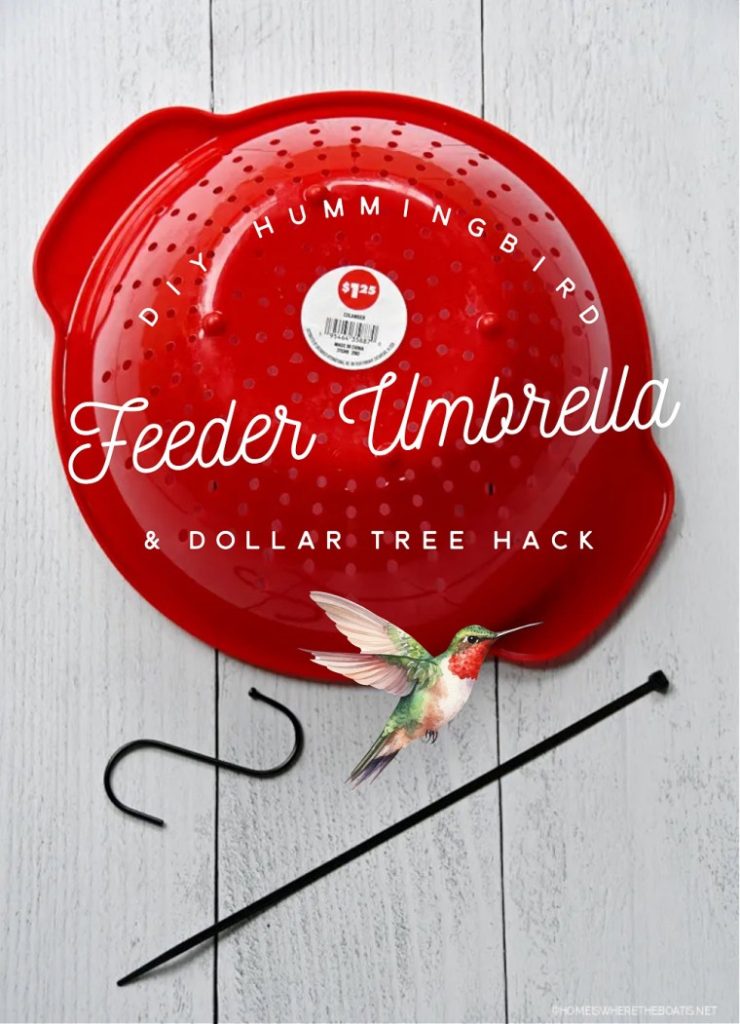
Are you ready to attract beautiful hummingbirds right to your backyard? Making your own homemade hummingbird feeder is easier than you think, and it gives you a front-row seat to nature’s tiny, colorful wonders.
Imagine watching these delicate birds hover and sip sweet nectar you’ve prepared yourself. In this guide, you’ll discover simple steps to create a safe, effective feeder that hummingbirds will love. Keep reading, and you’ll soon enjoy endless hours of hummingbird magic just outside your window.

Credit: homeiswheretheboatis.net
Materials Needed
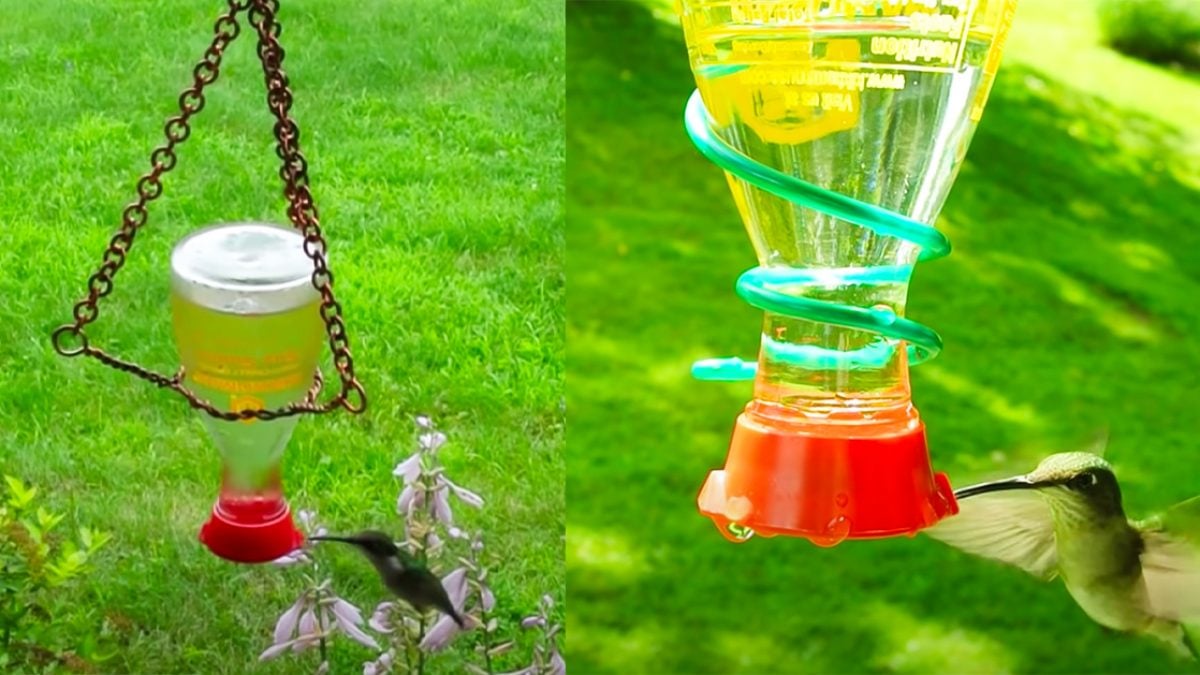
Choose a container that is easy to clean and refill. Clear plastic or glass bottles work well. Avoid containers that can leak or are hard to wash.
Gather basic tools like a small drill or a sharp nail to make feeding holes. Use waterproof glue to seal any leaks. A funnel helps to pour the sugar water easily.
- Paint or markers to decorate the feeder
- Colorful ribbons or strings to hang it
- Small plastic flowers to attract hummingbirds
Preparing The Feeder
Start by cleaning the containerwell. Use warm water and mild soap. Rinse it thoroughly to remove all soap. This keeps the feeder safe for hummingbirds.
Next, create feeding portsby drilling small holes. Use a drill bit about 1/8 inch wide. Space holes evenly around the container. This lets the birds access the nectar easily.
Attach perchesnear the feeding ports. Small wooden sticks or dowels work great. Secure them firmly so birds can rest while feeding.
Making The Nectar
Mix one part white sugar with four parts water. Stir until the sugar dissolves completely. Use only white sugar; brown sugar and honey can harm hummingbirds. Avoid using red dye, which is unnecessary and potentially harmful. Let the mixture cool before filling the feeder.
No need for dyes or artificial flavors. These can be dangerous to birds. Stick to plain sugar and water. Keep it simple and safe for the hummingbirds.
Store extra nectar in a clean container. Refrigerate it to keep fresh. Use within a week to ensure safety. Always check for spoilage before use. Clean feeders regularly to keep hummingbirds healthy.

Credit: homeiswheretheboatis.net
Assembling The Feeder
Pour the homemade nectar slowly into the feeder’s reservoir. Avoid overfilling to prevent spills. Leave some space at the top for air circulation. Use a funnel for easier pouring.
Close the feeder tightly with its lid or stopper. Check that the seal is secure to stop leaks. If the feeder has a screw-on cap, twist it firmly but gently.
- Choose a shady spot to hang the feeder, away from strong sun.
- Use a sturdy hook or string to hang it from a tree or pole.
- Ensure the feeder is stable and won’t swing too much in the wind.
- Place it where hummingbirds can easily see and reach it.
Attracting Hummingbirds
Choose a quiet spotwith some shade to place your feeder. Hummingbirds prefer areas protected from wind and direct sun. A spot near flowers or plants can make them feel safe and welcome.
Use bright colors like red or orangeon your feeder to catch their attention. You can add small artificial flowers or colorful ribbons nearby. These visual cues help hummingbirds find the feeder more easily.
Clean your feeder at least once a week to prevent mold and bacteria. Use warm water and a mild soap without strong scents. Rinse well to keep the nectar fresh and safe for the birds.
Credit: diyjoy.com
Troubleshooting Tips
Prevent ants and beesby using a feeder with ant moats. Fill the moat with water to block ants. Place the feeder away from flowers to keep bees away. Clean the feeder often to avoid attracting insects.
Mold and algaegrow quickly in nectar. Change the nectar every 3-4 days to keep it fresh. Use hot water to clean all parts of the feeder. Avoid using soap as it can harm birds.
- Refill nectar before it runs out to keep birds coming back.
- Keep an eye on the feeder for dirt or bugs.
- Store extra nectar in the fridge to keep it fresh.
Frequently Asked Questions
How Do I Make Hummingbird Nectar At Home?
Mix four parts water with one part white sugar. Boil, cool, and fill the feeder.
What Materials Are Best For Homemade Hummingbird Feeders?
Use clean plastic or glass bottles with red parts to attract hummingbirds.
How Often Should I Clean My Homemade Hummingbird Feeder?
Clean the feeder every three to five days to prevent mold and bacteria growth.
Conclusion
Making your own hummingbird feeder is simple and fun. It saves money and brings birds close. You control what goes inside, keeping it safe for hummingbirds. Watch as these tiny birds visit your garden every day. Enjoy the colors and sounds of nature right at home.
Try building one today and see the joy it brings. Small effort, big rewards. Create a welcoming space for hummingbirds to drink and play. It’s a great way to connect with nature easily.