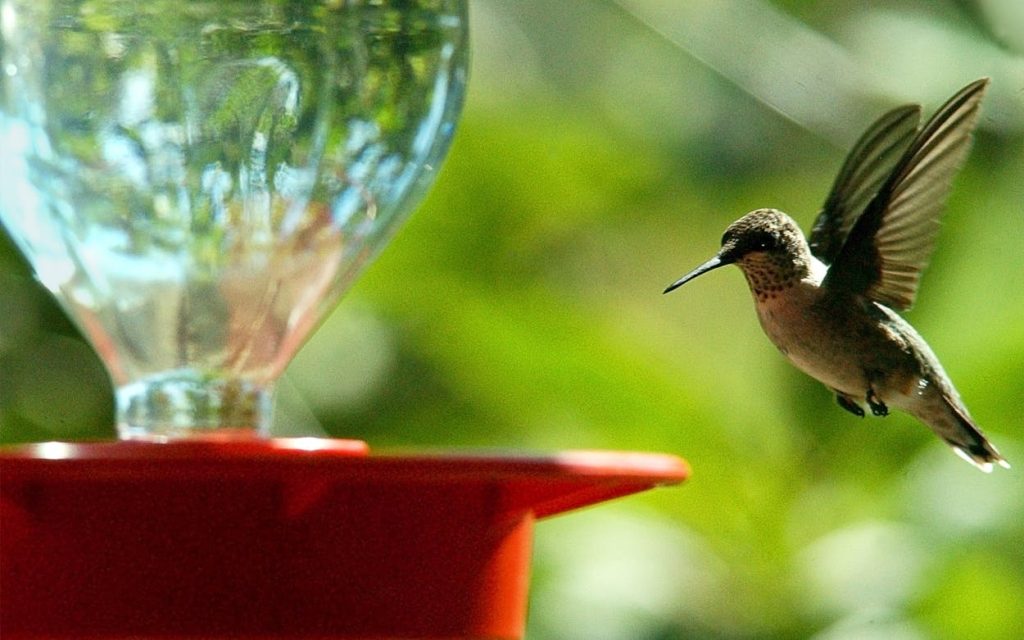
Have you ever found yourself captivated by the vibrant colors and mesmerizing flight of hummingbirds? If you’re in Texas, you’re in for a treat.
These tiny, jewel-like birds make their way to the Lone Star State every year, creating a spectacle you won’t want to miss. But when exactly do they arrive, and how can you ensure you’re ready to welcome them into your garden or backyard?
In this guide, you’ll discover the peak times to spot these delightful creatures, along with tips to attract and enjoy them right at home. Get ready to turn your outdoor space into a hummingbird haven where you can witness nature’s artistry up close.

Credit: www.birdfy.com
Hummingbird Species In Texas
Texas is a haven for hummingbird enthusiasts. The state’s diverse landscapes attract various species of these tiny birds. With its warm climate, Texas provides an ideal habitat for hummingbirds. Each year, bird watchers eagerly await their arrival.
Common Species
Several hummingbird species are commonly seen in Texas. The Ruby-throated Hummingbird is the most widespread. It is often spotted in gardens and parks. The Black-chinned Hummingbird is another frequent visitor. It thrives in the central and western regions. These birds are easy to recognize by their distinct colors and patterns. The Buff-bellied Hummingbird is also found in the southern parts of the state. This species prefers coastal areas and wooded habitats.
Rare Visitors
Texas sometimes hosts rare hummingbird species. The Rufous Hummingbird occasionally visits during migration. Known for its vibrant orange color, it is a sight to behold. The Calliope Hummingbird, the smallest of them all, is a rare gem. It passes through during its seasonal journey. The Broad-billed Hummingbird is another infrequent visitor. Its striking blue throat and green body are memorable.
Migration Patterns
Have you ever wondered about the intricate journeys hummingbirds embark on each year? These tiny, vibrant creatures travel thousands of miles during their migration. Texas plays a significant role in their route, offering a perfect pit stop during their long journey. Understanding their migration patterns can help you attract these beauties to your backyard.
Spring Arrival
As winter fades, hummingbirds begin their northward journey from Central America and Mexico. By March, you can expect to see the first arrivals in Texas. Keep an eye out for them, especially in the southern parts of the state.
These early arrivers are usually the males, scouting for the best spots to establish territory. If you want to attract them, consider setting up your feeders by early March. Have you ever noticed how the first glimpse of a hummingbird can brighten your whole day?
Fall Departure
As summer ends, hummingbirds start their journey back south. Late August to early October is the prime time for their departure from Texas. It’s fascinating to watch them fuel up and prepare for the long flight ahead.
During this time, they double their body weight by consuming nectar and insects. You can help by ensuring your feeders are full and clean. Have you ever thought about how such a small creature can undertake such a daunting journey?
Understanding these migration patterns not only enriches your appreciation for hummingbirds but also allows you to provide them with the resources they need during their travels. Are you ready to welcome these amazing travelers to your garden?
Peak Viewing Times
Texas welcomes hummingbirds mostly between March and May, and again from August to September. During these months, early mornings and late afternoons offer the best chances to observe their vibrant beauty. Gardens and feeders attract these colorful creatures, making them easy to spot for enthusiasts.
Hummingbirds are a dazzling spectacle, especially in Texas. Their vibrant colors and rapid wing beats captivate many bird enthusiasts. If you’re eager to witness these tiny marvels, understanding the peak viewing times can make your experience unforgettable.Best Months
The best months to spot hummingbirds in Texas are during their migration periods. Typically, March through May is prime time in the spring. During this season, hummingbirds are returning from their winter homes in Central America. Have you ever watched a hummingbird zip from flower to flower in April? It’s a scene that feels like nature is putting on a special show just for you. In the fall, from late August to October, the migration occurs again. This is when they make their journey back south. Keep your eyes peeled during these months.Regional Differences
Texas is vast, and hummingbird sightings can vary significantly from one region to another. In East Texas, lush forests provide ample feeding grounds, attracting more birds earlier in the season. Have you thought about how geography impacts wildlife? In West Texas, sightings might peak later due to the arid landscape. Southern Texas, particularly the Gulf Coast, offers consistent opportunities to see hummingbirds. The warm climate and abundant flowers create a haven for these birds. Consider visiting different regions to maximize your viewing opportunities. Each area presents a unique experience to enjoy these fascinating creatures. When will you plan your next hummingbird adventure in Texas?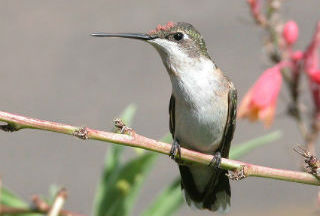
Credit: tpwd.texas.gov
Feeding Habits
Hummingbirds are a fascinating sight in Texas, arriving every spring as they migrate from Central America. These tiny creatures have intriguing feeding habits, which play a critical role in their survival and the ecosystem. Understanding their preferences can help you attract them to your backyard, offering them a safe haven to refuel during their long journeys.
Nectar Preferences
Hummingbirds are nectar lovers, favoring sugary treats over anything else. They typically prefer nectar from brightly colored flowers, especially red ones. The sweetness of the nectar fuels their high-energy lifestyle.
Have you ever noticed how they hover around your garden, sampling different flowers? This behavior indicates they’re searching for the nectar that meets their high energy needs.
Each hummingbird has its unique taste. While some may favor the vibrant blooms of trumpet vine, others might opt for the delicate petals of bee balm. Your choice of flowers can influence which species visit your yard.
Attracting With Feeders
Feeders are a fantastic way to draw hummingbirds. They mimic the flowers’ nectar and provide a reliable food source. The key is choosing feeders with bright colors and perches, making them enticing to these feathered visitors.
Consider placing feeders near your windows. It’s a delight watching these tiny aviators up close, sipping nectar in their characteristic mid-air ballet. Ensure the nectar solution is fresh; a simple mix of one-part sugar to four-parts water will do.
Regular maintenance of feeders is crucial. Clean them every few days to prevent mold, which can harm hummingbirds. Imagine being responsible for a tiny bird’s health simply by ensuring the cleanliness of their feeding spot.
Ever wondered why your neighbor’s yard is bustling with hummingbird activity while yours is not? The secret might lie in the strategic placement and care of feeders. Are you ready to turn your garden into a hummingbird hotspot?
Breeding And Nesting
Hummingbirds are fascinating creatures. Their breeding and nesting habits intrigue many. In Texas, these tiny birds engage in unique behaviors. Understanding their nesting and breeding helps attract them to gardens.
Nesting Habits
Hummingbirds build nests with precision. They use soft materials like moss and plant down. Spider silk helps bind the nest together. These nests are small but sturdy. Mothers choose well-hidden spots for safety. Often, they pick branches that sway gently.
Nesting sites are usually near food sources. This proximity ensures chicks get nourishment. Gardens with nectar-rich flowers attract nesting birds. If you want hummingbirds, create a welcoming environment. Provide feeders and native plants.
Breeding Season
Breeding season for hummingbirds varies. In Texas, it starts in March and lasts till July. Males perform aerial displays to attract females. These displays are a sight to behold. The birds fly in loops and dive swiftly.
Once paired, females lay tiny eggs. Usually, two eggs are laid at a time. The incubation period is short. It lasts about two weeks. After hatching, chicks stay in the nest for a month. During this time, mothers feed them diligently.

Credit: tpwmagazine.com
Conservation Efforts
Conservation efforts for hummingbirds in Texas are crucial. These tiny birds face many challenges. Their habitats are shrinking. Their migration paths are threatened. Conservationists work hard to protect them. They focus on two main areas. Protecting habitats and supporting migration. Both efforts are vital for their survival.
Protecting Habitats
Hummingbirds need specific habitats to thrive. They rely on nectar-rich flowers. Urbanization destroys these areas. Conservationists create sanctuaries. These safe havens provide food and shelter. Native plants are crucial in these sanctuaries. They attract hummingbirds and other pollinators. Community involvement helps maintain these habitats. Volunteers plant gardens and monitor bird activity.
Local governments play a role too. They implement policies to preserve green spaces. These policies protect vital ecosystems. Public awareness campaigns educate people. They teach about the importance of native plants. They encourage the reduction of pesticide use. This protects hummingbirds and their food sources.
Supporting Migration
Hummingbirds migrate thousands of miles. This journey is dangerous. Conservationists support migration through various strategies. They provide food and rest stops along migration routes. These stops are vital for survival. They offer nectar feeders and water sources. This gives birds energy for their long journey.
Technology aids in migration support. Researchers track hummingbird movements. This data helps identify key stopover sites. Conservationists can then protect these areas. Education is another tool. People learn how to assist migrating birds. They can set up feeders in their backyards. They can also plant native flowers to provide food.
Every small action helps hummingbirds. Protecting habitats and supporting migration are crucial. These efforts ensure hummingbirds continue to visit Texas. They brighten our gardens and lives.
Observing Tips
Hummingbirds arrive in Texas during spring, typically around March. These vibrant birds remain until October, enchanting observers. Watching them requires patience and a keen eye, as they dart among flowers and feeders.
Observing hummingbirds in Texas can be a thrilling experience. These tiny, vibrant creatures are not just a delight to watch but also a testament to nature’s wonder. If you’re eager to catch a glimpse of them, knowing the best spots and having the right gear can make all the difference. Here are some tips to enhance your hummingbird-watching adventure in Texas.Best Locations
Texas is a prime location for observing hummingbirds, especially during their migration periods. South Texas, particularly the Rio Grande Valley, is renowned for its high hummingbird activity. Parks and nature reserves here host numerous species, offering a fantastic viewing opportunity. Another excellent spot is the Hill Country, where you can visit places like the Lost Maples State Natural Area. In spring and fall, these areas become a hub for hummingbird enthusiasts. Have you checked out your local backyard? You might be surprised to find that with the right setup, your home garden could become a personal hummingbird haven. Plant native flowers and maintain feeders to attract them.Equipment Recommendations
While watching hummingbirds, having the right equipment can enhance your experience. A pair of binoculars is indispensable. Opt for those with a magnification of 8x or 10x for a clear view of these fast-moving birds. A camera with a good zoom lens is ideal if you want to capture their beauty. Choose one with a fast shutter speed to freeze their rapid wing movements. Consider investing in a hummingbird feeder. Place it in a quiet part of your garden and fill it with a sugar-water solution. This simple addition can bring the birds closer to you, offering a front-row seat to their mesmerizing flights. Are you ready to spot these tiny wonders in Texas? With these tips, you can turn an ordinary day into a memorable wildlife encounter. Happy bird watching!Frequently Asked Questions
When Do Hummingbirds Arrive In Texas?
Hummingbirds typically arrive in Texas during early spring. The peak migration period is from mid-March to early May. These tiny birds travel long distances from Central America to breed and feed. Observing them during this time can be a delightful experience for birdwatchers and nature enthusiasts alike.
What Month Do Hummingbirds Leave Texas?
Hummingbirds usually start leaving Texas in late September. Their migration back to Central America continues through October. As the weather cools, they embark on their southward journey. Providing feeders during this time helps them refuel and gather strength for their long journey.
How Long Do Hummingbirds Stay In Texas?
Hummingbirds generally stay in Texas for about six months. They arrive in early spring and depart by late fall. During this time, they breed, raise their young, and feed extensively. Texas provides a hospitable environment with abundant food sources, making it a prime stopover in their migratory path.
Where Can I See Hummingbirds In Texas?
Hummingbirds can be seen in various regions of Texas. Popular spots include the Hill Country, Big Bend, and Gulf Coast. These areas offer diverse habitats and plentiful food sources. Setting up feeders in your backyard can also attract these vibrant birds, providing an up-close viewing experience.
Conclusion
Hummingbirds bring joy to Texas every year. Their arrival signals spring’s beauty. Watching them is a delightful experience. These birds migrate north for warmer temperatures. They feast on nectar from blooming flowers. April marks their peak presence in Texas. Keep feeders ready for their visit.
They depend on easy food sources. Small, colorful, and fast, they captivate everyone. Their presence is brief, yet memorable. Be ready to enjoy their vibrant dance. Nature’s wonders await in your backyard. Witnessing hummingbirds is truly enchanting. A simple pleasure for bird lovers.