Finding a baby bird in need of help can tug at your heart. You want to do the right thing, but feeding such a tiny creature can feel tricky.
How do you make sure the bird gets the nutrition it needs without causing harm? If you have a syringe ready, you’re already on the right track. This guide will show you exactly how to feed a baby bird with a syringe safely and effectively.
By the end, you’ll feel confident and prepared to give that little bird the care it deserves. Keep reading—you’re about to become the hero this baby bird needs.
Choosing The Right Syringe
Choosing the right syringe is importantto feed a baby bird safely. Syringes come in different sizesand materials. The size should match the bird’s mouth. Small syringes, like 1 ml or 3 ml, work best for tiny birds. Larger syringes may cause choking or discomfort.
Materials vary, but plastic syringes are common. They are lightweightand easy to clean. Glass syringes are less common but can be sterilized thoroughly. Avoid metal syringes; they might hurt the bird.
| Type of Syringe | Size | Material | Best Use |
|---|---|---|---|
| Standard Plastic | 1 ml, 3 ml | Plastic | Small birds |
| Glass Syringe | 1 ml, 5 ml | Glass | Easy sterilization |
Preparing The Feeding Formula
Mix the bird formula carefully with warm water until smooth and free of lumps. Use a syringe to draw the right amount of formula. Keep the mixture at a safe temperature before feeding.
Selecting Appropriate Food
Choose food that suits the baby bird’s species and age. Many baby birds need a special formula made for them. Avoid giving bread or milk; these can harm the bird. Use a formula designed for baby birds, which provides the right nutrients. You can find these formulas at pet stores or online. Always check the label for age recommendations and ingredients.
Mixing And Warming The Formula
Follow the package instructions to mix the formula with water. Use clean, warm water for the best results. Mix well until the formula is smooth and has no lumps. Warm the formula to about body temperature (around 100°F or 38°C). Test the temperature by dropping some on your wrist; it should feel warm, not hot. Stir the mixture again after warming to keep it smooth.
Setting Up A Safe Feeding Area
Create a quiet corner for feeding a baby bird. Use clean surfaces and tools to ensure safety and hygiene. Keep distractions minimal to help the bird focus on eating.
Creating A Comfortable Environment
Choose a quiet place in your home. Make sure it’s warm and cozy. Use soft towels for the bird to sit on. This helps the bird feel safe and calm. Comfort is very important for the bird’s health. Keep away from loud noises. Bright lights can scare the bird. Dim lights are better. Ensure the area is free from pets and other distractions.
Ensuring Hygiene And Safety
Wash hands before feeding the bird. Clean the syringe with warm water. This prevents germs from hurting the bird. Have a clean towel ready. Use it to wipe spills. Don’t use strong cleaners around the bird. They can be harmful. Keep all feeding tools in a safe place. This avoids accidents. Safety and cleanliness keep the bird healthy.
Holding The Baby Bird Properly
Hold the baby bird gently but firmly. Support its body to keep it calm. Use your fingers to cradle the bird’s chest and belly. Avoid pressing too hard to prevent injury. The bird should feel secure but not trapped.
Keep the bird’s head slightly raised for easy feeding. Use your thumb and forefinger to hold the bird’s wings close to its body. This stops sudden flapping during feeding. A soft towel can help hold the bird steady if needed.
- Support the body fully, especially the chest and belly
- Hold wings gently against the body
- Keep the head up for smooth feeding
- Use a soft towel for extra grip if needed
Administering The Food With A Syringe
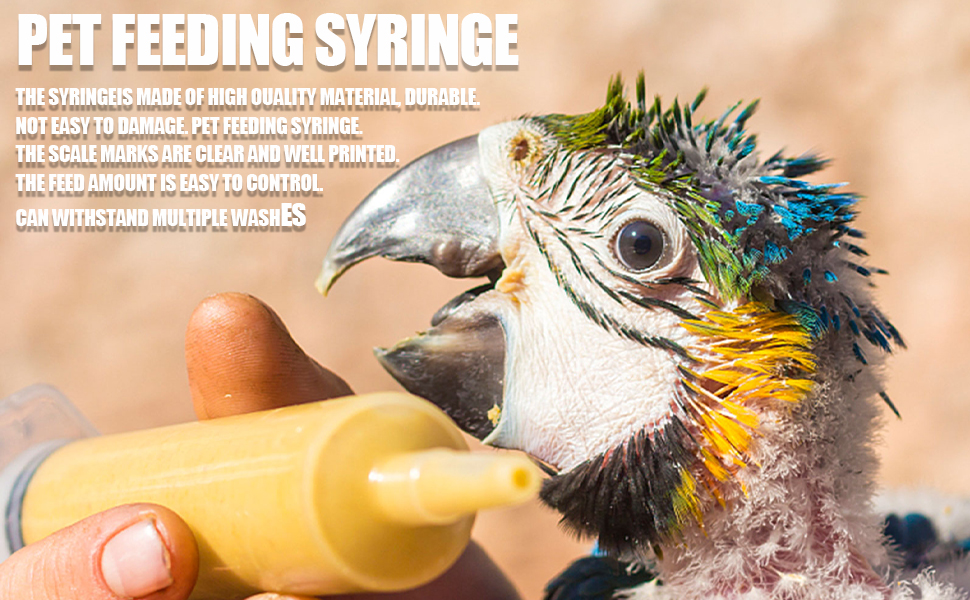
Hold the syringe at a slight angle near the bird’s beak. Gently open the baby bird’s mouth with your finger. Place the syringe tip just inside the beak, aiming for the side of the mouth. Avoid pushing too far to prevent injury.
Control the flow by slowly pressing the syringe plunger. Let the baby swallow before giving more food. Too fast a flow can cause choking or discomfort. Watch the bird’s reaction and stop if it seems stressed.
- Keep the syringe tip clean to avoid infections.
- Use warm, not hot, formula for feeding.
- Feed small amounts often to prevent overfeeding.

Credit: www.amazon.com
Signs Of Successful Feeding
Watch closely for swallowing and breathingas you feed the baby bird. Swallowing shows the bird is accepting the food. Breathing should stay steady and calm. If the bird coughs or gasps, pause and let it rest.
Signs that the bird is fullinclude turning its head away or closing its mouth. The bird may also become quiet and relaxed. Avoid overfeeding to keep the bird safe.
- Swallowing with ease means good feeding.
- Breathing stays steady, no gasping.
- Bird turns head away when full.
- Quiet and calm behavior shows satiety.
Common Feeding Challenges
Baby birds may refuse to eat due to fear or stress. Use a calm voice and gentle movements. Offer food slowly with a syringe tip near the beak. Sometimes, tapping the beak softly encourages them to open it. Patience is key. Avoid forcing food as it can cause injury or stress.
Aspiration and choking happen if food goes into the windpipe. Hold the baby bird upright and steady. Use a small syringe to control food flow. Give tiny amounts at a time, letting the bird swallow fully before more. Watch closely for coughing or trouble breathing. Stop feeding if choking occurs and gently clear the airway.

Credit: www.yahoo.com
Cleaning And Maintaining Syringe Equipment
Cleaning syringe equipment is very importantto keep baby birds safe. Use warm water and mild soap to wash the syringe parts. Rinse well to remove all soap. Use a small brush to clean inside the tip and barrel. Let all parts dry completely before using again.
Store syringes in a clean, dry place. Keep them away from dust and dirt. Use a covered box or container to protect them. Avoid storing syringes in places with strong sunlight or heat. This helps keep the plastic parts from breaking or warping.

Credit: www.amazon.com
Frequently Asked Questions
How Do I Prepare A Syringe To Feed A Baby Bird?
Use a small syringe without a needle. Fill it with soft, warm food suitable for baby birds.
What Food Is Safe To Feed A Baby Bird With A Syringe?
Choose soft, protein-rich foods like soaked dog kibble or specialized bird formula. Avoid hard or spicy foods.
How Often Should I Feed A Baby Bird Using A Syringe?
Feed small amounts every 15 to 20 minutes during daylight hours until the bird shows fullness.
Conclusion
Feeding a baby bird with a syringe takes care and patience. Use the right food and keep the syringe clean. Feed small amounts slowly to avoid choking. Watch the baby bird’s reactions closely. With practice, you will feel more confident.
Helping a baby bird grow is rewarding. Remember, gentle hands and a calm voice help too. Keep learning and enjoy this special experience. Your care makes a big difference in the bird’s life.