Are you worried about bird flu and want to know how to protect yourself and your loved ones? Understanding how to cure bird flu is crucial for staying safe and recovering quickly.
You’ll discover simple, effective steps that can help you manage symptoms and support your body’s healing process. By the end, you’ll feel more confident and prepared to face this illness head-on. Keep reading to learn what you need to do right now to take control of your health.

Credit: www.youtube.com
Symptoms Of Bird Flu
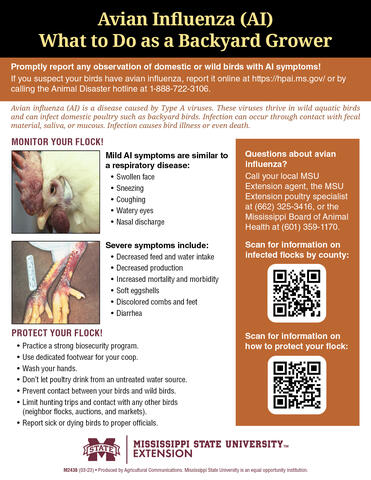
Early signsof bird flu include sudden fever, cough, and sore throat. People may feel tiredor have headaches. Sometimes, there is a runny nose or muscle pain. These symptoms can look like the common flu.
Severe symptomshappen when the virus gets worse. These include difficulty breathing, chest pain, and blue lips. Patients may also have diarrheaor vomiting. Quick medical help is very important if these signs appear.
How Bird Flu Spreads
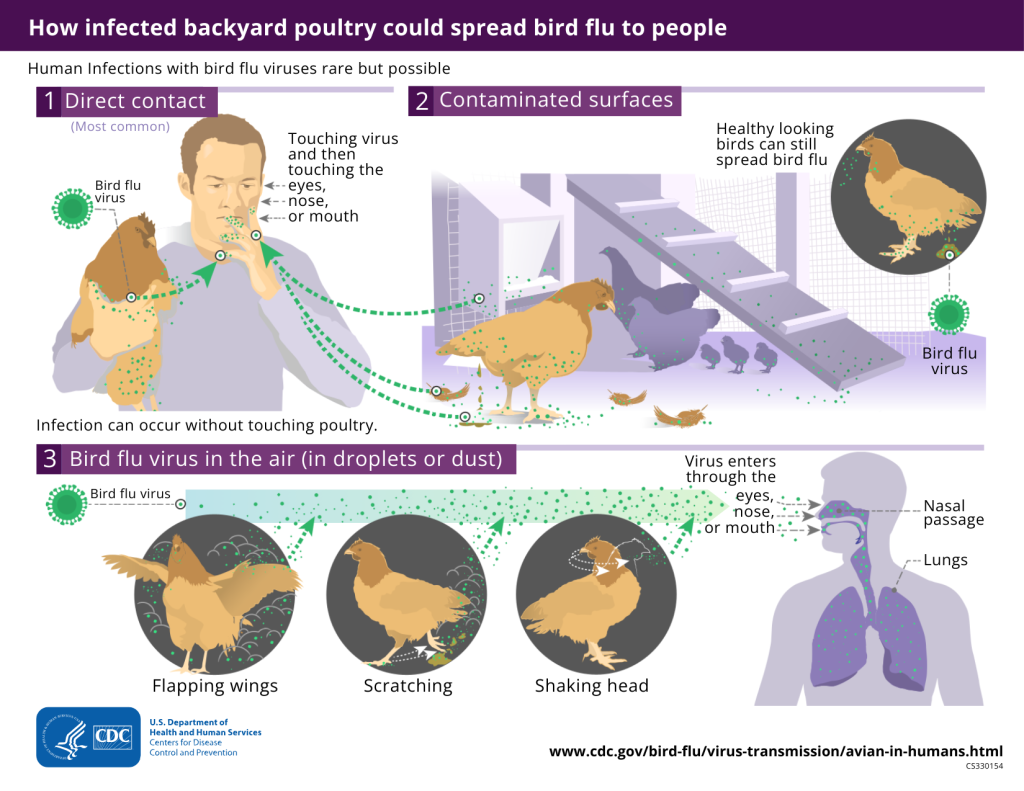
Bird fluspreads mainly through direct contact with infected birds. People catch it by touching bird droppings, saliva, or feathers. Handling live or dead birds can be risky. Farms with many birds can increase the chance of spread.
Human-to-human spreadof bird flu is rare but possible. It happens through close contact with a sick person. Coughing, sneezing, or touching shared objects can pass the virus. This type of spread is not easy or common.
- Avoid touching birds or their droppings
- Wash hands often with soap
- Wear masks and gloves when near sick birds
- Stay away from people who are sick
Medical Treatments
Treating bird flu involves early use of antiviral medicines and close medical care. Rest, fluids, and avoiding contact with others help prevent spreading the virus. Seeking prompt medical advice improves recovery chances.
Antiviral Medications
Antiviral drugshelp fight the flu virus. Doctors often prescribe them for bird flu. They can make symptoms less severe. They may also shorten recovery time. Common antiviral drugs include oseltamivir and zanamivir. These drugs work best when taken early. Always follow the doctor’s instructions. Take the full course of medication. Do not stop early even if you feel better.
Supportive Care Options
Supportive carehelps with symptoms. Drink plenty of fluids. Rest is very important for recovery. Pain relievers can help with aches and fever. Keep warm and comfortable. Use a humidifier to ease breathing. Monitor your condition closely. Inform your doctor of any changes.

Credit: news.uchicago.edu
Home Care Tips
Rest is very important to help the body fight bird flu. A quiet and calm place can help speed up recovery. Drink plenty of fluids like water, soup, or juice to stay hydrated. Fluids help thin mucus and keep the throat moist.
Fever and pain often come with bird flu. Using over-the-counter medicines like acetaminophen can reduce fever and ease pain. Make sure to follow the correct dose on the package. Avoid aspirin in children as it may cause problems.
- Keep the patient comfortable and warm.
- Use a cool cloth on the forehead for fever relief.
- Encourage small, frequent sips of water.
- Rest is key to help the immune system work well.
Prevention Strategies
Avoiding exposureto bird flu means staying away from sick birds and their droppings. Always wear gloves and masks when handling poultry or cleaning cages. Wash hands well with soap after contact with birds. Keep live birds away from your home. Avoid visiting places with many birds, like farms or markets, during outbreaks.
| Vaccination Updates | Details |
|---|---|
| Human vaccines | Available in some countries for high-risk people |
| Bird vaccines | Used in poultry farms to prevent spread |
| New strains | Vaccines updated regularly to match virus changes |
Protecting Vulnerable Groups
Understanding how to cure bird flu is crucial for protecting vulnerable groups. Treatment includes antiviral drugs and supportive care. Monitoring and early detection help reduce the spread and impact of the virus.
Children And Elderly
Children and elderlyhave weaker defenses against bird flu. They need extra care to avoid infection. Keep their living areas clean and avoid crowded places. Teach them to wash hands often. Use masks if flu spreads nearby. Early medical help is vital if symptoms show.
People With Weakened Immunity
Those with weak immunity must be very careful. Avoid contact with sick birds or people. Eat healthy foods to boost strength. Rest well and stay hydrated. Doctors may give medicines to prevent serious illness. Regular check-ups help catch issues early.
When To Seek Medical Help
Warning signsof bird flu include a high fever above 101°F, cough, sore throat, and difficulty breathing. Feeling very tired or weak is also important to notice. Seek medical help if symptoms worsen or last more than a few days.
Emergency situationsrequire immediate care. These include trouble breathing, chest pain, severe weakness, or confusion. Rapid breathing or bluish lips mean urgent hospital visit. Early treatment can save lives.
Credit: extension.msstate.edu
Myths And Facts
Bird fluis a serious illness but not spread easily between people. Many believe eating chicken causes bird flu. This is false. Properly cooked poultry is safe to eat. Some think antibiotics cure bird flu. This is untrue. Bird flu is caused by a virus, so antiviral medicines are needed.
People often believe only birds can catch bird flu. But humans can get it too, usually from close contact with infected birds. Wearing masks and washing hands help prevent infection. Vaccines are available for some bird flu types, but not all.
| Myth | Fact |
|---|---|
| Eating chicken spreads bird flu | Cooked chicken is safe to eat |
| Antibiotics cure bird flu | Antivirals are needed, not antibiotics |
| Only birds get bird flu | Humans can catch it from birds |
| Bird flu spreads easily between people | Human spread is very rare |
Frequently Asked Questions
What Are The Common Symptoms Of Bird Flu?
Bird flu symptoms include fever, cough, sore throat, muscle aches, and sometimes diarrhea or eye infection.
How Is Bird Flu Usually Treated?
Treatment involves antiviral medicines, rest, fluids, and monitoring symptoms closely under medical care.
Can Bird Flu Spread From Person To Person?
Bird flu rarely spreads between people but close contact with infected birds increases risk.
Conclusion
Bird flu requires quick action and proper care. Early treatment helps stop the virus from spreading. Always follow doctor’s advice and take prescribed medicines. Keep good hygiene to protect yourself and others. Avoid contact with sick birds or animals. Stay informed about updates from health experts.
Taking these steps can reduce risks and support recovery. Stay safe and act responsibly to fight bird flu.