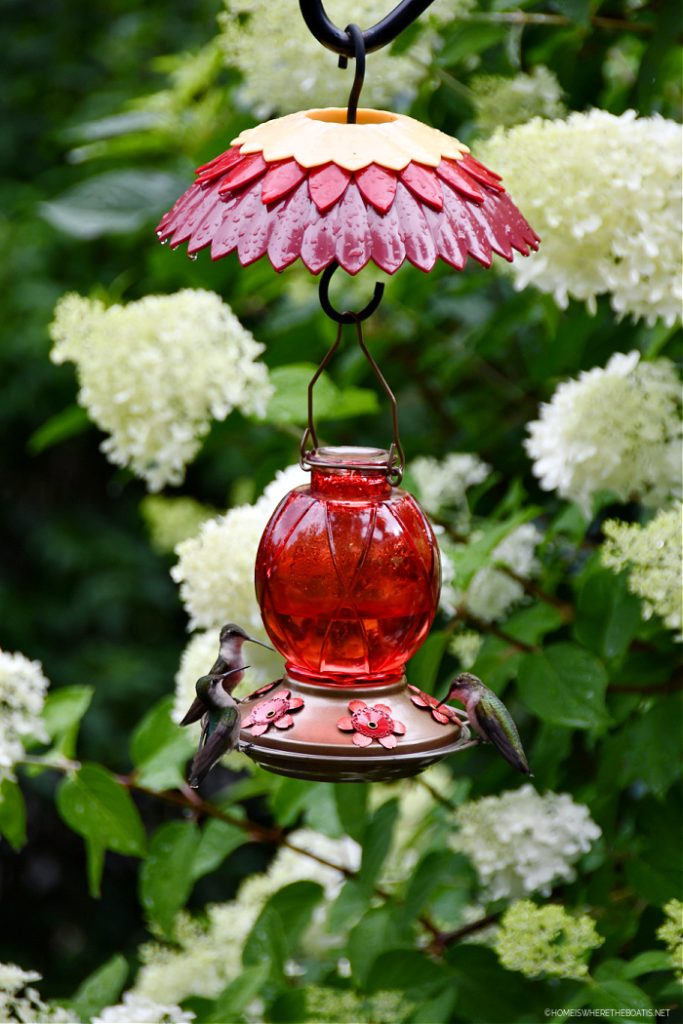
If you love watching hummingbirds dance in your garden, making your own hummingbird feeder is easier than you think. Imagine having a bright, colorful feeder filled with sweet nectar, attracting these tiny jewels right to your backyard.
You don’t need fancy tools or expensive kits—just a few simple materials and some easy steps. In this guide, you’ll discover how to create a safe and inviting home for hummingbirds that will bring joy and beauty to your outdoor space.
Ready to become the favorite stop for these amazing little birds? Let’s get started!
Choosing The Right Materials
Choose containers made from safe, non-toxic materialslike glass or food-grade plastic. Avoid metals that can rust or leach harmful substances. Clear containers help you see the nectar level easily. Make sure the container has a tight lidto prevent spills and keep insects out.
Bright colors attract hummingbirds. Use red or orange elementson the feeder to grab their attention. Avoid blue or yellow, as they don’t attract hummingbirds well. You can paint parts of the feeder or add plastic flowers in these colors.

Credit: homeiswheretheboatis.net
Gathering Tools And Supplies
Gathering tools and suppliesis important before making a hummingbird feeder. Basic items include:
- Plastic or glass bottleto hold the nectar
- Small paintbrushfor cleaning
- Scissorsor a sharp knife to cut holes
- Wire or stringfor hanging the feeder
- Funnelto pour nectar without spills
Optional decorative items make the feeder look nice and attract birds:
- Bright colored tape or paint
- Artificial flowers around feeding holes
- Small beads or stickers
Use simple, safe materials to avoid harm to birds. Clean tools help keep nectar fresh. Decorations should not block feeding spots.
Preparing The Feeder Base
Choose a clean, sturdy feeder base that can hold nectar securely. Ensure it has bright colors to attract hummingbirds easily. Check for easy access points where birds can feed comfortably.
Cleaning And Sterilizing
Start by gathering materials for cleaning. Use warm water and mild soap. Scrub the feeder base gently to remove dirt. Rinse thoroughly with clean water. Sterilize by soaking in a vinegar solution for 15 minutes. This kills germs and bacteria. Dry the base with a clean towel. Make sure it’s completely dry before use.
Creating Feeding Ports
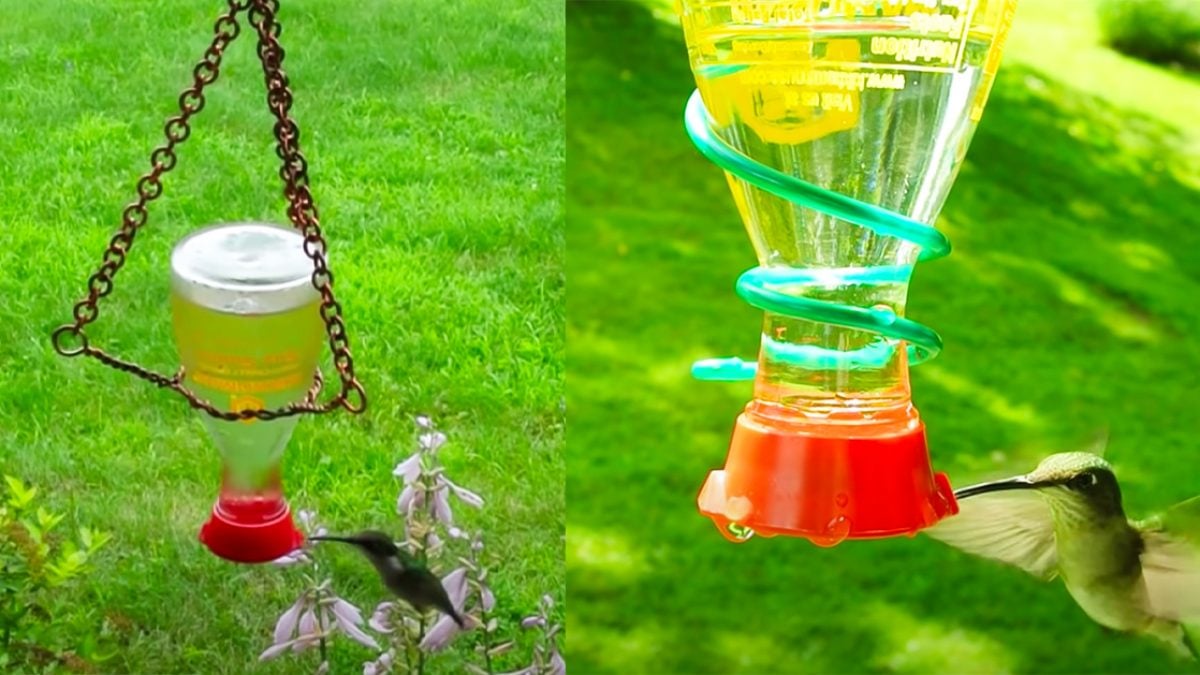
Use a small drill to make feeding ports. Each hole should be about 1/4 inch wide. Ensure the edges are smooth to protect birds. Place feeding ports evenly around the base. This allows multiple birds to feed at once. Cover holes with rubber grommets to prevent leaks. Test for leaks by filling with water.
Credit: diyjoy.com
Mixing The Nectar
Mixing nectar is easy. Use four parts waterto one part white sugar. Boil water first to kill germs. Stir sugar until it fully dissolves. Let the mixture cool before filling the feeder. Do not use honey, artificial sweeteners, or red dye. These can harm hummingbirdsor cause mold growth. Plain white sugar is safe and natural.
- Use clean, filtered water if possible.
- Never use brown sugar or raw sugar.
- Keep the nectar fresh by changing it every 3-5 days.
- Store extra nectar in the fridge.
Assembling The Feeder
Attach all parts firmlyto avoid leaks and spills. Use a tight sealaround the feeding ports. Check that the base and bottle fit snuglytogether. Loose parts may scare the birds away.
Place the feeder so birds can reach it easily. Keep feeding holes open and clear of obstructions. Make sure there is space for birds to perch and feed comfortably. Avoid placing it near busy paths or noisy areas.
- Use screws or clips for a strong hold
- Check for gaps that might leak nectar
- Keep feeder at bird height or slightly above
- Clear the feeder entrance for easy bird access
- Hang feeder where birds feel safe from predators
Placing The Feeder Outdoors
Choose a spot with good sunlight but some shade during hot afternoons. Place the feeder near flowers or plants to attract more hummingbirds. Keep it away from busy areas to avoid scaring the birds.
Protect the feeder from predators like cats and squirrels by hanging it on a thin wire or a tall pole. Use a baffle above or below the feeder to stop climbing animals. Keep the feeder at least 10 feet away from trees or bushes where predators can hide.
- Pick a quiet area with some shade
- Place near flowers for more attraction
- Hang feeder on a thin wire or tall pole
- Use a baffle to block predators
- Keep feeder 10 feet from trees or bushes
Maintaining And Cleaning The Feeder
Clean the hummingbird feeder at least twice a week to keep it safe. Use warm water and mild soap to wash all parts. Rinse well to remove soap traces. Soaking the feeder in a vinegar solution helps kill germs and mold.
Empty old nectar daily to prevent spoilage. Store nectar in a clean, cool place if not used immediately. Avoid using honey or artificial sweeteners; stick to sugar and water.
- Scrub feeder parts with a bottle brush to reach tight spots.
- Check for cracks or damage that can hide bacteria.
- Dry the feeder completely before refilling to stop mold growth.
Attracting More Hummingbirds
Bright colorsattract hummingbirds easily. Red is the most effective color. Use red ribbons or paint on your feeder. Avoid colors like blue or purple, as they do not attract hummingbirds well. Place the feeder where the colors can be seen clearly from a distance.
Natural surroundings make hummingbirds feel safe. Plant flowers like trumpet vine, bee balm, and salvia nearby. These flowers provide nectar and shelter. Trees and shrubs near the feeder offer protection from wind and predators. A quiet, shaded area helps hummingbirds rest and feed comfortably.

Credit: www.yahoo.com
Frequently Asked Questions
How Do I Make A Hummingbird Feeder At Home?
Use a clean bottle or jar, add red food coloring to sugar water, and attach feeding ports.
What Ingredients Are Needed For Hummingbird Nectar?
Mix four parts water with one part white sugar. Boil and cool before filling the feeder.
How Often Should I Clean My Hummingbird Feeder?
Clean it every 3-4 days to prevent mold and keep hummingbirds healthy.
Conclusion
Making a hummingbird feeder is simple and fun. You only need a few materials and some patience. Watching hummingbirds visit your feeder brings joy and peace. Clean your feeder often to keep birds healthy. Place the feeder where you can see it well.
Enjoy the bright colors and quick movements of these tiny birds. This small project connects you to nature every day. Try it soon and welcome hummingbirds to your garden.