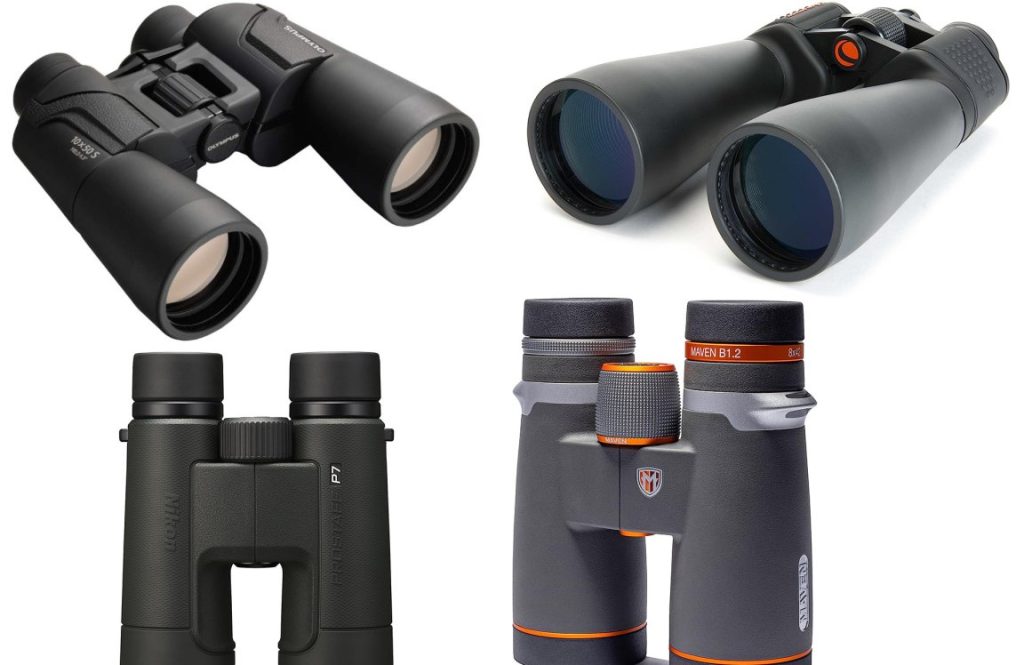
If you love watching birds, having the right binoculars can make all the difference. But with so many options out there, how do you pick the perfect pair?
You want something that feels comfortable, shows clear details, and fits your budget. Choosing the right binoculars isn’t just about specs—it’s about how they connect you to the beauty of nature. Keep reading, and you’ll discover simple tips to find binoculars that bring every feather, color, and movement into sharp focus.
Your next amazing birding experience starts here.
:max_bytes(150000):strip_icc()/tal-athlon-optics-8x42-midas-uhd-binoculars-signe-bamsey-ben-wanamaker-09-1-8caa644274c046f78e4cc47a08bb9750.jpeg)
Credit: www.travelandleisure.com
Key Features To Consider
Magnificationshows how much closer birds appear. A 8x or 10x magnification suits most birders. Larger magnification can make images shaky and hard to hold. Lens sizematters too. Bigger lenses let in more light, helping you see better in low light. But, they can make binoculars heavier.
The field of viewis how wide an area you see through binoculars. A wider field helps find birds faster. It is measured in feet or meters at 1000 yards or meters.
Weight and sizeaffect comfort. Light and small binoculars are easier to carry for long walks. But very small ones might not show clear images. Choose a balance that fits your needs and body.
Credit: www.popsci.com
Types Of Binoculars
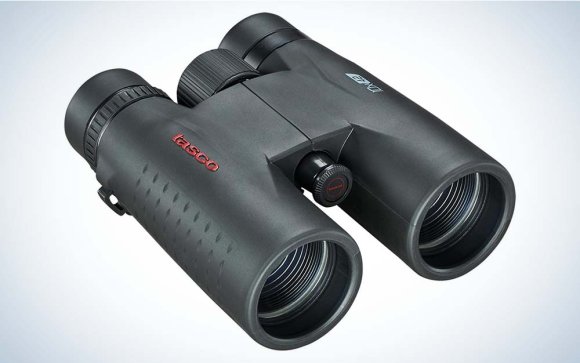
Roof prism binocularshave a straight design. They are compact and easy to carry. These models are usually lighter and fit easily in bags. They are more waterproof and durable. Their lenses are aligned in a straight line, making them sleek. This makes them good for walking and hiking. Roof prism binoculars cost a bit more due to complex design.
Porro prism binocularshave a zigzag shape. They are bulkier but often offer better depth and wider view. These models give brighter images at the same price. They are usually cheaper than roof prism types. Porro prisms can be heavier and less waterproof. Good for birdwatchers who want a wide field of view and don’t mind extra weight.
Optical Quality And Coatings
Clear optics enhance bird details and colors. Good coatings reduce glare and improve light transmission for sharper views. Choose binoculars with multi-coated lenses for the best birding experience.
Lens Coatings
Lens coatings are very important for binoculars. They make the view clearer. Coated lenses reduce glare and improve light transmission. Multi-coated lenses offer better image brightness. Fully multi-coated lenses provide the best clarity. Choose binoculars with good lens coatings.
Image Brightness And Clarity
Image brightness depends on the lenses. High-quality glass gives clear images. Binoculars with large objective lenses are brighter. They let more light in. Low-light conditions need good brightness. Always check the clarity. Sharp images help in seeing birds better.
Durability And Weather Resistance
Waterproofingis key for birding in wet places. It keeps water out and protects lenses. This helps binoculars work well in rain or near water.
Fog Proofingstops inside lenses from fogging up. This is important when moving between warm and cold air. It uses special gas inside to keep lenses clear.
Strong build materialslike rubber and metal make binoculars last longer. Rubber helps grip and absorb shocks. Metal parts add extra strength and protect from damage.
Budget And Brand Considerations
Choosing binoculars means balancing price with quality. Trusted brands often offer better durability and clearer images. Setting a budget first helps narrow down options and find the best fit for birding needs.
Price Ranges
Binoculars come in many price ranges to fit different budgets. Basic models often cost under $50. These are good for beginners but may have less sharp images. Mid-range binoculars, priced between $100 and $300, offer better clarity and durability. High-end binoculars can cost over $500. They provide excellent image quality and are built to last. Choose the price range that suits your needs and how often you will use them.
Trusted Brands
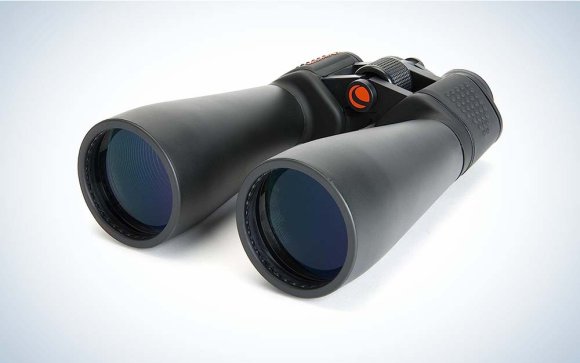
Some brands are known for making quality birding binoculars. These include Nikon, Bushnell, Vortex, and Celestron. These brands often have good reviews and reliable products. Buying from a trusted brand can give peace of mind about the binoculars’ performance and build quality.
Warranty And Support
Check if the binoculars come with a warranty. A good warranty covers defects and damages for a certain time. Also, see if the brand offers customer support. Easy access to help can be useful if problems arise. This support adds value to your purchase.
Credit: www.popsci.com
Frequently Asked Questions
What Binocular Features Matter Most For Birding?
Clear lenses, good magnification (8x-10x), wide field of view, and light weight matter most for birding.
How To Pick The Right Magnification For Bird Watching?
Choose 8x or 10x magnification for sharp views without too much shake or narrow sight.
Why Is Lens Size Important In Birding Binoculars?
Larger lenses gather more light, helping you see birds clearly in low light or dense woods.
Conclusion
Choosing the right binoculars makes birding more fun and clear. Focus on size, weight, and lens quality. Comfort matters for long watching sessions. Don’t forget to check the field of view and waterproof features. Test different models to find your best fit.
Good binoculars help you see birds close and bright. Enjoy your birding trips with the right gear in hand. Keep these tips in mind and happy bird watching!