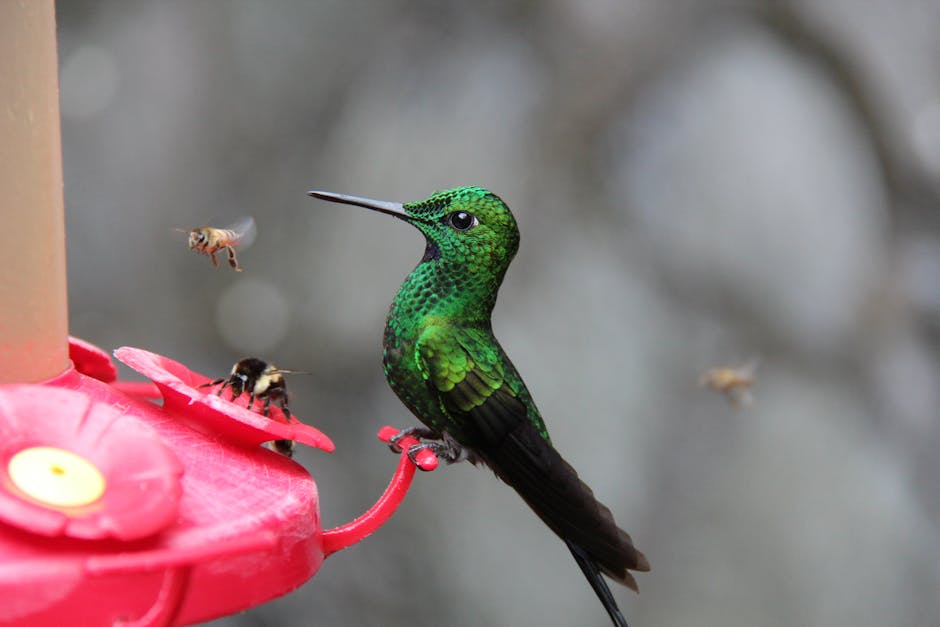
Are you tired of seeing bees swarm around your hummingbird feeder, stealing the nectar meant for your favorite little birds? It can be frustrating when these buzzing visitors take over, making it hard for hummingbirds to enjoy their meal.
But don’t worry—there are simple, effective ways you can keep bees away without harming them. You’ll discover easy tips and tricks that will help you protect your feeder and ensure your hummingbirds get the attention they deserve. Keep reading to learn how to enjoy watching hummingbirds without the unwanted buzz of bees!

Credit: www.facebook.com
Why Bees Are Attracted
Bees are drawn to the sweet nectar in hummingbird feeders. Their strong sense of smell guides them to sugary liquids that provide energy. Understanding this helps keep bees away without harming them.
Sugar Nectar Appeal
Bees love sugar nectarbecause it gives them energy. The sweet liquid in hummingbird feeders looks like a good food sourceto bees. They can sense sugar from far away. This makes the feeder very attractive to them. Bees do not mean to harm hummingbirds, but they want the nectar too.
Feeder Placement Impact
The location of the feeder can affect how many bees visit. Placing feeders near flowers or sunny spots can increase bee visits. Moving feeders away from these areas may help reduce bee problems. Also, hanging feeders higher or in a shaded spot might make it harder for bees to find them. Small changes in placement can make a big difference.
Choosing Bee-resistant Feeders
Choose feeders with small feeding ports to keep bees away. Small holes let hummingbirds in but block bees.
Look for bee guards or bee-proof collars around the feeding ports. These stop bees from reaching the nectar.
Bright red colors attract hummingbirds but do not attract bees. Choose feeders with red parts instead of yellow.
Consider feeders with built-in bee traps or separate bee feeders. This can keep bees busy and away from hummingbirds.
| Material | Benefit |
|---|---|
| Glass | Easy to clean and does not absorb sugar |
| Plastic | Lightweight and often cheaper but may stain |
| Metal parts | Durable and helps avoid bee attraction |
Placement Strategies To Deter Bees
Place hummingbird feeders away from flowers and trees to reduce bee visits. Use bee guards or feeders with smaller feeding ports to block bees. Position feeders in shaded areas to make them less attractive to bees.
Optimal Location Tips
Place the feeder far from bee-favored flowers. Choose shady spots to reduce the feeder’s visibility to bees. Avoid placing feeders near windows or bright surfaces. Bees are attracted to bright reflections. Keep the feeder at least five feet above the ground. This height can confuse bees. Ensure the feeder is not near water sources. Bees need water and will explore.
Using Decoy Feeders
Set up a separate feeder for bees. Use a feeder with sugar water only. Place the decoy feeder away from the hummingbird feeder. This distracts bees from the main feeder. Ensure the decoy feeder is easy to access. Bees prefer straightforward paths. Keep the decoy feeder filled regularly. This keeps bees satisfied and away from hummingbirds.
Natural Repellents For Bees
Plant-based solutions can help keep bees away from hummingbird feeders. Some plants naturally repel bees due to their scent or taste. Planting herbs like mint, lavender, and basilnear feeders works well. These herbs have strong smells bees dislike.
Scent-based deterrents also discourage bees. Bees dislike smells like cinnamon, clove, and eucalyptus. Placing small sachets or cotton balls with these scents near the feeder helps keep bees away without harming hummingbirds.
| Plant-Based Solutions | Scent-Based Deterrents |
|---|---|
| Mint | Cinnamon |
| Lavender | Clove |
| Basil | Eucalyptus |
Maintenance Tips To Reduce Bees
Keeping the feeder clean helps stop bees from coming. Old nectar attracts bees quickly. Wash the feeder with hot water and mild soap every few days. Rinse it well to remove any soap taste.
Change the nectar often. Nectar gets sour and sticky if left too long. Replace it every 2 to 3 days, or more often in hot weather. Fresh nectar is less likely to attract bees and ants.
| Task | Frequency | Reason |
|---|---|---|
| Cleaning feeder | Every 3 days | Remove old nectar and keep bees away |
| Replace nectar | Every 2-3 days | Prevent sour nectar that attracts bees |

Credit: www.hummingbirdsociety.org
Alternative Feeding Methods
Bee guardsare small plastic or metal covers that block bees from reaching the nectar. They let hummingbirds access the feeder easily. Bee guards help keep nectar clean and stop bees from stealing it. These guards are simple to add to most feeders. They create a barrier that bees cannot cross but hummingbirds can.
Changing the feeding schedulecan also help reduce bees. Bees are less active early in the morning and late in the evening. Filling the feeder during these times can attract more hummingbirds and fewer bees. Avoiding daytime refills when bees are busy nearby is smart. This simple trick reduces bee visits without harming the birds.

Credit: www.facebook.com
Frequently Asked Questions
How Can I Stop Bees From Reaching My Hummingbird Feeder?
Use bee guards or feeders with bee-resistant ports to keep bees away but allow hummingbirds to feed.
What Type Of Sugar Water Keeps Bees Away From Feeders?
A 1:4 sugar-to-water ratio attracts fewer bees while still feeding hummingbirds well.
Where Should I Place My Hummingbird Feeder To Avoid Bees?
Hang feeders in shaded, breezy spots away from flowers and bee nests to reduce bee visits.
Conclusion
Keeping bees away from your hummingbird feeder takes patience and care. Try using bee guards or placing feeders in shaded spots. Clean feeders often to avoid attracting bees. You can also use separate sugar water for bees away from the feeder.
These steps help hummingbirds enjoy their food safely. Enjoy watching your hummingbirds without the buzz of bees nearby. Small changes make a big difference in your garden’s harmony. Stay patient and keep your feeder inviting for hummingbirds only.