Are you ready to see birds in stunning detail but don’t know where to start with binoculars? Choosing the right bird watching binoculars can feel overwhelming with so many options out there.
But it doesn’t have to be confusing. The perfect pair can transform your experience, bringing distant colors and movements sharply into view. In this guide, you’ll discover simple tips to pick binoculars that fit your needs, budget, and style of birding.
Keep reading, and soon you’ll be spotting birds like a pro, enjoying every moment outdoors more than ever before.
Key Features To Consider
Magnificationshows how much closer birds appear. Common sizes are 8x or 10x. Lens diameteraffects brightness; larger lenses let in more light. A good balance helps in low light and keeps binoculars light.
Field of viewmeans how wide you can see through the binoculars. A wide field helps to spot moving birds easily. It is measured in feet at 1000 yards or degrees.
Eye relieftells how far your eyes can be from the eyepiece. Longer eye relief is good for people who wear glasses. It keeps the full view without strain.
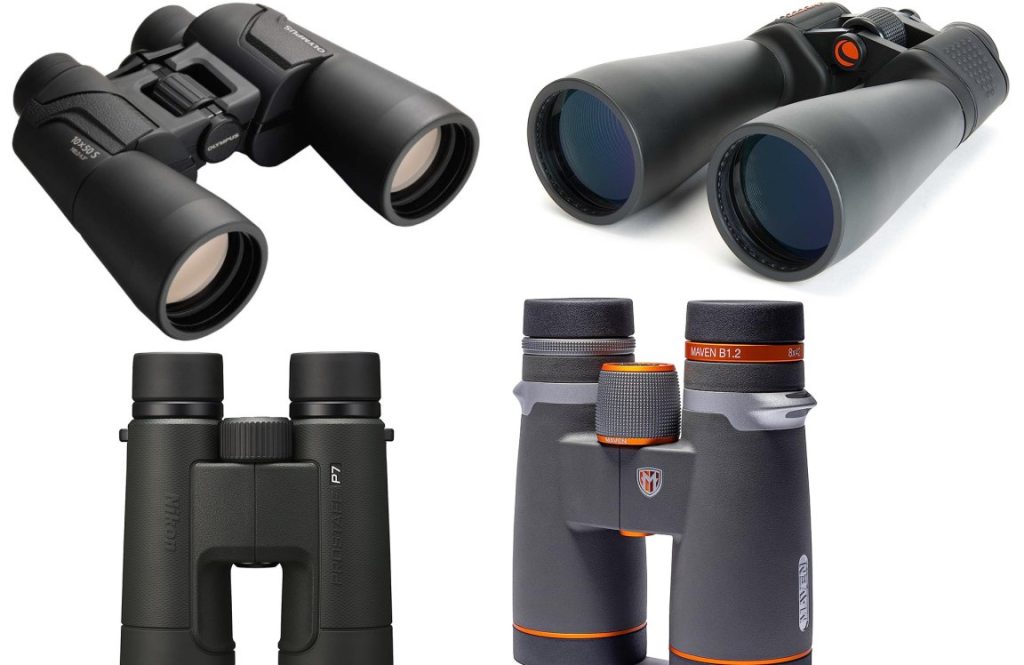
Prism typeaffects the size and image quality. Roof prisms are compact and light. Porro prisms give a wider view but are bulkier.
| Lens Coating | Benefit |
|---|---|
| Coated | One layer reduces light reflection |
| Fully Coated | All air-to-glass surfaces have coating |
| Multi-Coated | Multiple layers for brighter images |
| Fully Multi-Coated | Best light transmission and clarity |
Types Of Binoculars For Bird Watching
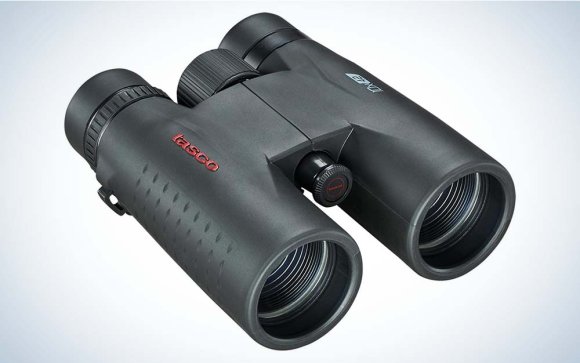
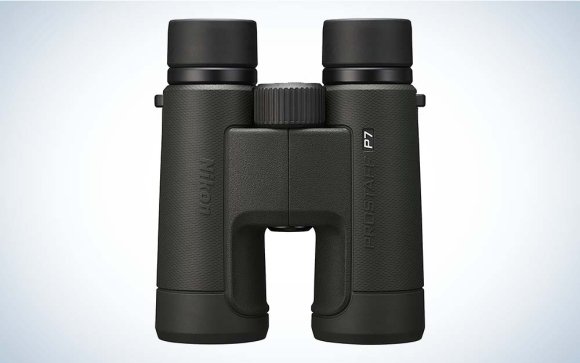
Roof prism binocularsare compact and lightweight. They have a straight body design, making them easy to hold and carry. These binoculars often provide sharp and bright images. They are good for bird watchers who want to travel light. Their waterproof and fog-proof features are common. Roof prism binoculars may cost more due to their complex design.
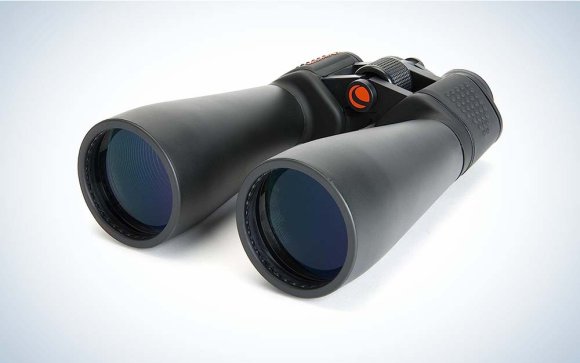
Porro prism binocularshave a wider, bulkier shape. They offer a wider field of view, which helps spot birds faster. These binoculars often give better depth perception. Porro prism models are usually less expensive. They can be heavier and less compact. Many bird watchers like them for backyard or casual use.
Size And Weight Matters
Choosing lightweight and compact binoculars makes bird watching easier and more comfortable. Heavy or bulky models can cause arm fatigue during long use. Size and weight balance is key for clear views and ease of carrying.
Compact Vs Full-size
Compact binoculars are small and light. They fit in your pocket. Full-size binoculars are bigger. They show more details. Compact types are easy to carry. Full-size can be heavy and big. Choose the size based on your needs.
Portability And Comfort
Easy-to-carry binoculars are best for hiking. You want them light and not bulky. Comfortable grips are important. You will hold them for a long time. Try different styles to find what feels right. Comfort makes bird watching fun.
Credit: www.popsci.com
Durability And Weather Resistance
Choose binoculars with waterproof and fogprooffeatures. These protect lenses from rain and moisture. Fog inside lenses can blur your view. Waterproof seals keep water out during wet weather. This ensures clear vision in all conditions.
Build qualitymatters for durability. Look for binoculars made of strong materialslike rubber armor. Rubber coating protects from drops and bumps. Metal or high-grade plastic frames last longer and resist damage. A solid build means your binoculars stay safe on rough trips.
Budgeting Your Purchase
Entry-level binocularsare best for beginners and light use. They cost less but have basic features. These models usually offer lower magnificationand smaller lenses. Ideal for casual bird watchers on a tight budget.
Mid-range binocularsprovide better quality and durability. They have improved opticsfor clearer images. These are suitable for regular bird watchers wanting good value. Expect features like water resistanceand better focus systems.
High-end modelsoffer top performance and durability. They include sharp lenses, wide view, and advanced coatingsfor bright images. Designed for serious bird watchers ready to invest more. These models often come with lifetime warranties.
Additional Accessories
Straps and harnesseshelp carry binoculars comfortably for long times. Straps hang around the neck but can strain muscles. Harnesses spread weight across shoulders and back, reducing fatigue. Choose one that fits well and feels soft on skin.
Lens covers and cleaning kitsprotect lenses from dust and scratches. Covers should fit snugly and be easy to remove. Cleaning kits include cloths and solutions to keep lenses clear. Clean lenses improve viewing qualityand protect the glass.
Carrying caseskeep binoculars safe during travel. Look for cases with padding and water resistance. Cases with extra pockets can store accessories. A good case makes it easy to take binoculars anywhere.
Testing And Trying Binoculars
Try holding binoculars up to your eyes. Check if the focus is quick and smooth. Sharp focus helps see birds clearly. Feel how they sit in your hands. Binoculars should not feel heavy or awkward. Comfort matters for long bird-watching trips.
Test different models to compare comfort and focus. Adjust the eye distance to fit your face. Notice if the eyecups block your view or feel tight. A good fit means easier viewing and less eye strain.
- Check how fast the focus wheel moves.
- See if the image stays clear when you move.
- Hold the binoculars for a few minutes to test comfort.
- Try them with glasses if you wear any.
Credit: www.popsci.com
Credit: www.popsci.com
Frequently Asked Questions
What Binocular Size Is Best For Bird Watching?
A 8×42 binocular size offers a good balance of magnification and brightness for bird watching.
How Important Is Waterproofing In Bird Watching Binoculars?
Waterproof binoculars protect lenses and internal parts from rain, fog, and moisture during outdoor use.
Should I Choose Roof Prism Or Porro Prism Binoculars?
Roof prism binoculars are compact and lightweight, while porro prism models offer better depth and wider views.
Conclusion
Choosing the right bird watching binoculars makes your experience better. Focus on size, weight, and lens quality. Comfort and ease of use matter most. Test different models to find what fits you. Remember, clear views bring more joy to bird watching.
A good pair helps you see details from far away. Take time to decide, and enjoy the outdoors more. Your perfect binoculars are out there waiting for you. Happy bird watching!