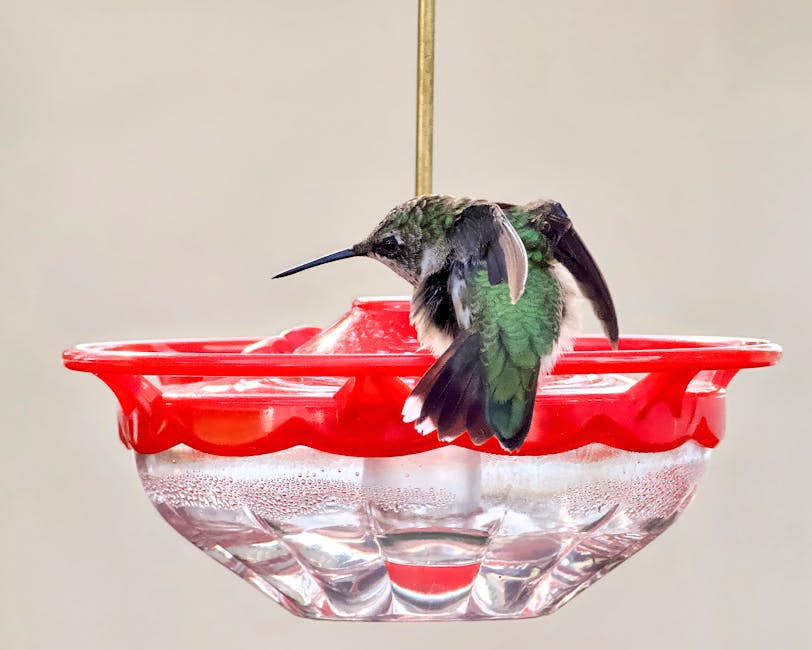
Are you tired of ants invading your hummingbird feeder pole and ruining the sweet nectar you put out? You’re not alone.
Those tiny invaders can quickly turn your peaceful backyard into an ant highway. But don’t worry—there are simple, effective ways to keep ants away and make sure your hummingbirds get all the nectar. You’ll discover easy tips that work, so you can enjoy watching those beautiful birds without the hassle of ants stealing the show.
Keep reading to find out how to protect your feeder and create an ant-free zone today!
Why Ants Are Attracted
Ants are drawn to hummingbird feedersbecause of the sweet nectar inside. This nectar is rich in sugar, which ants use as a food source. The smell and taste of the nectar are very tempting to them.
Besides the nectar, the feeder pole offers warmth and shelter. Ants like warm places to stay, especially in cooler weather. The pole and nearby plants provide protection from wind and rain, making it a safe spot for ants.
Understanding why ants visit helps in finding ways to keep them away. The sweet nectar and cozy environment make the feeder pole a perfect place for ants to gather.

Credit: www.facebook.com
Choose The Right Feeder
Choosing a feeder with ant-resistant designshelps keep ants away. Some feeders have built-in ant moats, which block ants from reaching the nectar. These moats hold water or oil, creating a barrier that ants cannot cross.
Material considerationsalso matter. Metal and glass feeders are easier to clean and less attractive to ants than plastic ones. Plastic can hold tiny cracks where ants hide and breed.
- Look for feeders with a smooth surface to stop ants from climbing.
- Choose feeders with a wide base for stability and to reduce ant access.
- Use a feeder that is easy to take apart for regular cleaning.
Effective Physical Barriers
Ant moats are small water-filled cups. They attach above the feeder. Ants can’t cross water, so they stay away. These moats are easy to use. They are also safe for hummingbirds. You can find them in many stores. They come in different colors and sizes. Just fill with water and attach. This simple step keeps ants off.
Sticky barriers are like glue. They wrap around the pole. Ants won’t cross the sticky stuff. It’s easy to apply and lasts long. Make sure it’s safe for birds. Check labels before buying. You can find them online or in stores. Be careful not to touch the sticky part. It’s messy but effective. Keep the barriers clean and fresh.

Credit: www.facebook.com
Natural Repellents
Essential oilslike peppermint, cinnamon, and clove keep ants away naturally. Mix 10 drops of oil with water in a spray bottle. Spray on the feeder pole, but avoid the feeder itself. Oils have strong smells that ants dislike.
Vinegar solutionswork well to deter ants too. Mix equal parts of white vinegar and water. Spray this on the pole and the ground near it. Vinegar disrupts ants’ scent trails, making it hard for them to find the feeder.
- Use cotton balls soaked in essential oils near the pole.
- Reapply oils or vinegar every few days for best results.
- Wipe the pole clean before applying to remove ant trails.
Proper Feeder Placement
Place the feeder pole at least 4 feet above the ground. This height helps keep ants away. Choose a spot away from trees or bushes where ants like to travel.
Keep the feeder pole clear of nearby ant trails. Ants follow these trails to find food easily. Moving the feeder pole to a different area breaks their path.
- Place the feeder in a sunny spot to dry any spilled nectar quickly.
- Keep the pole clean from sticky nectar drops to avoid attracting ants.
- Use a smooth pole material so ants cannot climb easily.

Credit: www.farmhouse40.com
Regular Cleaning Routine
Cleaning the feeder pole regularly removes sweet residue that attracts ants. Wiping it down with soapy water keeps ants from climbing up. A clean feeder pole helps protect hummingbirds and keeps ants away.
Removing Residue
Cleaning the feeder pole regularly stops sticky residue from building up. Residue attracts ants and other insects. Use warm water and mild soap to scrub the pole. Rinse well to remove soap. Dry the pole before refilling with nectar. This keeps the feeder fresh and less inviting to ants.
Changing Nectar Frequently
Old nectar can ferment and smell sweet, which draws ants. Change nectar every 3 to 5 days, or more often in hot weather. Fresh nectar is less likely to attract ants and helps hummingbirds stay healthy. Use a clean container each time to avoid germs.
Additional Preventive Measures
Ant baitsplaced near the feeder pole can help reduce ant numbers. These baits attract ants away from the feeder, leading them to carry poison back to their nest. This method controls ants without harming the hummingbirds. Place baits a few feet away to keep ants distracted but safe from the birds.
Keeping plants trimmed around the feeder pole is also very useful. Overgrown plants provide a bridge for ants to reach the feeder. By cutting back branches and leaves, the path for ants becomes harder. This simple step helps keep ants from climbing up the pole.
- Use ant baits near the feeder pole, away from birds.
- Trim plants and branches close to the feeder pole.
- Clear debris that ants might use as a bridge.
- Check regularly for new ant trails and act quickly.
Frequently Asked Questions
How Can I Stop Ants From Reaching My Hummingbird Feeder?
Use a moats or ant guards on the feeder pole to block ants from climbing up.
What Homemade Remedies Keep Ants Away From Feeder Poles?
Apply petroleum jelly or sticky tape around the pole to create a barrier ants won’t cross.
Does Vinegar Help Keep Ants Off Hummingbird Feeder Poles?
Yes, wiping the pole with vinegar disrupts ant trails and helps keep them away.
Conclusion
Keeping ants off your hummingbird feeder pole takes simple steps. Use barriers like sticky tape or petroleum jelly to block ants. Clean spills around the feeder to avoid attracting ants. Regular checks help spot ants early before they become a problem.
Protecting your feeder keeps hummingbirds happy and safe. Enjoy watching these beautiful birds without worrying about ants. Small efforts make a big difference in your garden. Stay patient and consistent for the best results.