Have you ever been startled by the sudden thud of a bird hitting your window? It’s not only upsetting for you but can be harmful or even fatal for the bird.
If you want to protect your feathered friends and keep your windows safe, you’re in the right place. This article will show you simple, effective ways to stop birds from crashing into your windows—methods you can start using today. Keep reading, and you’ll learn how to make your home a safer place for birds, while avoiding those loud, heart-stopping impacts.

Credit: www.amazon.com.au
Why Birds Collide With Windows
Birds often hit windows because they see reflections of trees or sky. These reflections make windows look like open space. Transparent glasscan confuse birds too. They try to fly through because they can’t see the glass.
Indoor plants and bright lights attract birds. They think these are safe places to land or find food. At night, lights inside homes can lure birds towards windows. This increases the chance of collisions.
| Common Bird Species | Reason for Collision |
|---|---|
| American Robin | Attracted by reflections of trees |
| House Sparrow | Drawn to indoor plants and lights |
| Blue Jay | Sees transparent glass as open space |
| Hummingbird | Chases reflections of flowers |
Signs Of Bird Collisions
Windows often show smudges or streaksfrom bird collisions. These marks look like feathers, dust, or blood. They appear near glass edgesor spots where birds fly often.
Birds may appear injured or stunnedafter hitting a window. Watch for birds that sit still, shake, or have ruffled feathers. Some might hide nearby, trying to recover.
Birds tend to hit windows more during early morning or late afternoon. These times have more bird activity and changing light. Tracking these times helps in taking preventive actions.
Simple Home Remedies
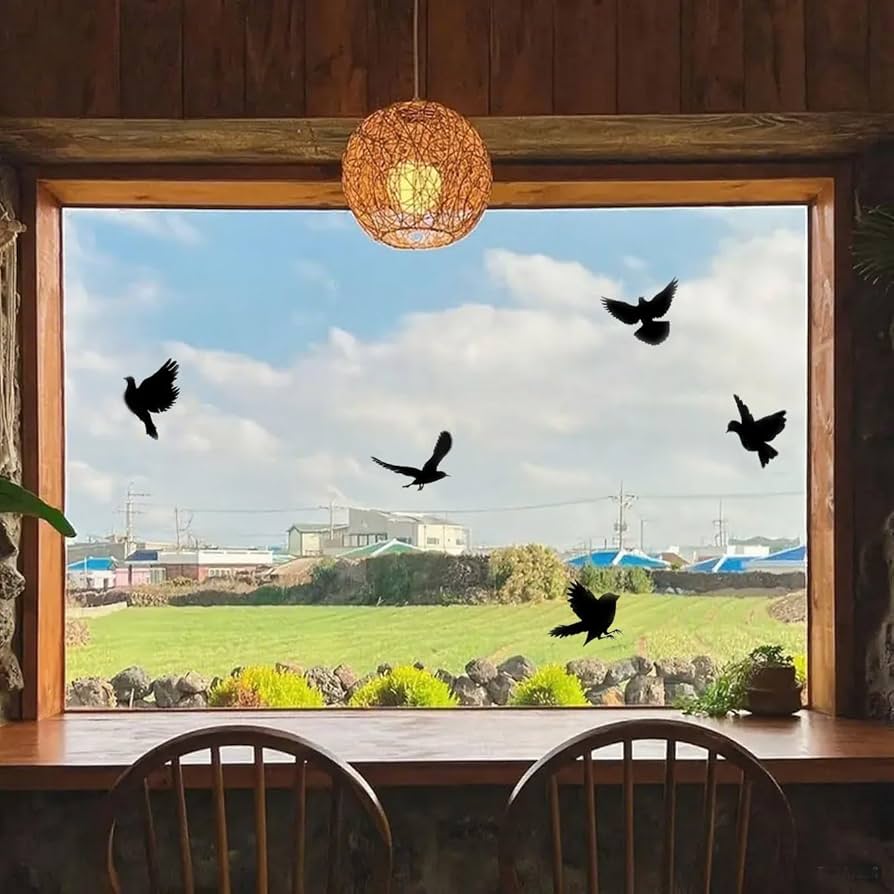
Decals and stickersbreak up the glass reflection. Birds see shapes and avoid flying into windows. Use decals spaced no more than 4 inches apart. Choose simple shapes like dots or birds.
Soap or paint patternson windows create a visible barrier. Draw stripes, dots, or shapes on the outside glass. Use mild soap or water-based paint for easy removal. Patterns should cover most of the glass.
External screensadd a physical layer outside the window. They soften reflections and provide a cushion if birds hit. Screens also allow fresh air and light inside. Mesh size should be small enough to stop birds.

Credit: www.facebook.com
Advanced Window Treatments
Bird tape and films create visible patterns on glass. These patterns help birds see windows clearly.
UV-reflective products show light that birds can see, but humans cannot. This helps prevent collisions.
Window grilles and meshes add a physical barrier. They break up reflections that confuse birds.
- Bird tape:easy to apply, leaves no damage.
- UV films:protect windows without blocking views.
- Grilles and meshes:strong and long-lasting solutions.
Landscaping And Environmental Adjustments
Placing plantsnear windows helps birds see the glass. Trees and shrubs break reflections that confuse birds. Positioning greenery close to windows creates a natural barrier that stops collisions.
Reducing indoor light at nightlowers the chance of birds flying into glass. Turn off unnecessary lights or use curtains. This prevents birds from mistaking windows for open space.
Creating visual barrierson windows makes glass more visible. Use decals, tapes, or screens to break up reflections. Patterns spaced less than 4 inches apart work best for small birds.

Credit: www.instagram.com
Preventive Measures For New Constructions
Bird-safe glass can reduce collisions. It often has patterns birds see. The patterns can be dots or stripes. These patterns let birds know there’s a barrier. Frosted glass is another option. It scatters light in different directions. Birds can see this easily. Choosing the right glasshelps keep birds safe.
Placing windows carefully is important. Avoid placing windows opposite each other. This can create the illusion of a tunnel. Birds may try to fly through. Angling windowscan also help. Tilt windows slightly downward. This reduces reflections that confuse birds. Proper placement is key to safety.
- Include features that deter birds.
- Use netting or screens on windows.
- Add external shades to reduce reflections.
- Consider using blinds that birds can see.
- Built-in deterrents are effective and simple.
Care For Injured Birds
Handle injured birds gentlyto avoid causing more harm. Use a soft cloth or towel to pick them up. Keep the bird in a quiet, warm place away from pets and loud noises. Avoid touching their wings or legs too much.
Contact a local wildlife rehabilitation center quickly. They have the skills and tools to help injured birds recover. Do not try to treat the bird yourself unless you are trained.
Provide temporary shelter by placing the bird in a small box with air holes. Line the box with soft cloth or paper towels. Keep the box in a dark, warm area to reduce stress for the bird. Check on the bird often but do not disturb it too much.
Frequently Asked Questions
Why Do Birds Hit Windows Often?
Birds see reflections or open sky on glass and try to fly through, causing collisions.
What Are Simple Ways To Stop Birds Hitting Windows?
Use decals, screens, or close curtains to break reflections and make windows visible.
Does Adding External Window Screens Help Prevent Bird Strikes?
Yes, screens reduce reflections and soften impact, making windows safer for birds.
Conclusion
Stopping birds from hitting windows helps protect them and your home. Use simple solutions like stickers, screens, or curtains to make glass visible. Small changes can save many birds from harm. Keep checking your windows for new ways to improve safety.
Protect nature with easy actions anyone can do. Every effort counts in making your space bird-friendly.