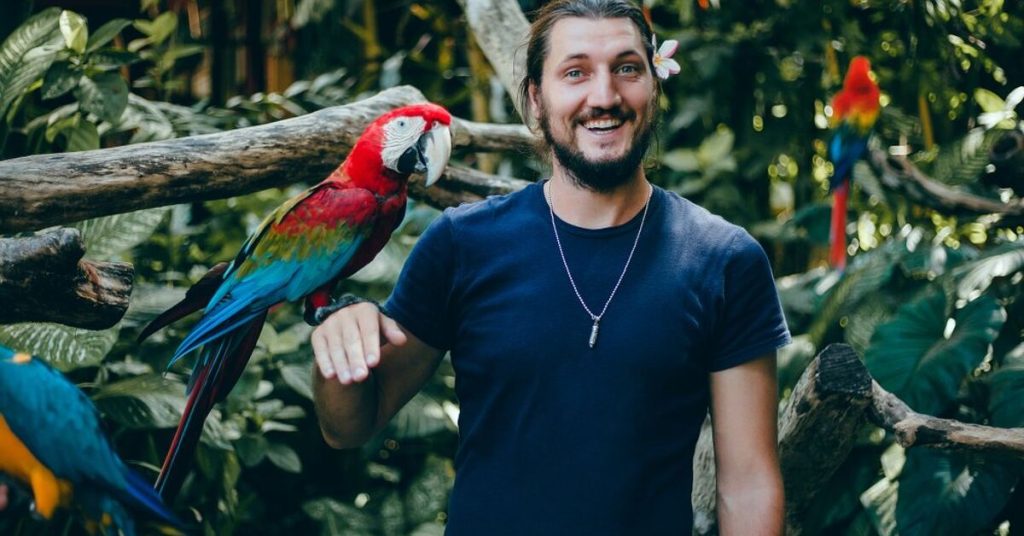
Have you ever wished your feathered friend could chat with you? Teaching your bird to talk isn’t just fun—it can deepen the bond you share.
Imagine the joy of hearing your bird call your name or mimic your favorite phrases. It might seem tricky at first, but with the right approach, patience, and a few simple steps, you can unlock your bird’s hidden talent. Ready to discover how to make your bird a charming little chatterbox?
Keep reading, and you’ll learn exactly what to do.

Credit: www.instagram.com
Choosing The Right Bird
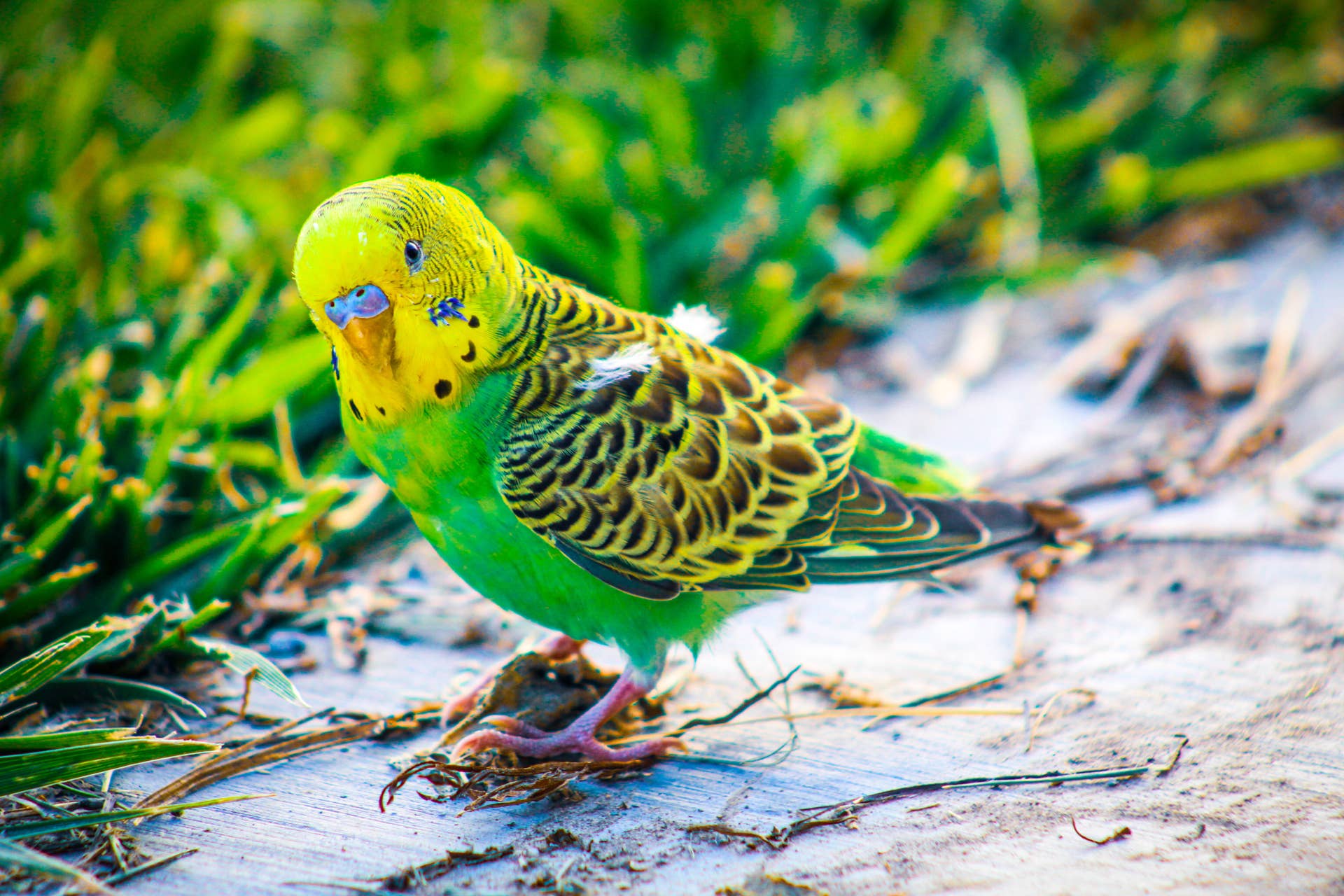
Choosing the right bird is key for teaching it to talk. Some birds are better talkers than others. Parrots, budgerigars, and cockatoos often learn words quickly.
Age plays a big role. Younger birds learn faster and remember words better. Older birds might take more time, but can still learn.
| Species | Talking Ability | Learning Speed |
|---|---|---|
| Parrot | Excellent | Fast |
| Budgerigar | Good | Moderate |
| Cockatoo | Very Good | Moderate |
| Canary | Poor | Slow |
Temperament matters too. Birds that enjoy human company learn better. Social and friendly birds pick up words faster.
- Choose a bird that likes to interact
- Patience helps with shy birds
- Frequent talking to the bird is important

Credit: www.petguide.com
Creating A Positive Environment
Creating a quiet and comfortable spacehelps your bird focus on learning. Birds feel safe in calm places without loud noises or sudden movements.
Set consistent interaction timeseach day. Birds learn better with regular practice. Choose times when your bird feels active and alert.
- Speak clearly and slowly during these sessions.
- Use simple words and repeat them often.
Reducing stress is key. Keep the environment stable and avoid sudden changes. Stress can make birds less willing to talk.
Watch for signs of stress like feather plucking or silence. A happy bird learns faster and enjoys talking.
Basic Training Techniques
Repeat words often. Birds learn through hearingthe same word. Make sure to say words clearly. Use a happy tone. Birds respond to positive sounds. Patience is key. It takes time for birds to learn.
Show your bird an object. Say the word for it. Use hand movements. Birds notice visual cues. Connect words with actions. This helps birds understand better. Keep cues simple. Birds learn faster this way.
Give a treat when your bird talks. This is a reward. Use favorite snacks. Birds love rewards. Praise your bird with kind words. Encouragement helps birds learn. Repeat this every time. Birds will talk more.
Credit: pethelpful.com
Advanced Speaking Methods
Birds learn to talkby hearing soundsoften. Repeat simple words clearly. Use the same tone and speed each time. Play recordings of words your bird likes. This helps them recognize and copy sounds.
Technology can help teach birds. Use audio toolslike voice recorders or apps made for birds. Play these sounds during quiet times. It keeps your bird interested and ready to talk.
Birds love company. Spend time talking and playing with your bird every day. Let your bird meet other birds or people who talk. More social interactionmeans more chances to learn words.
Common Challenges
Birds may feel shy or scaredat first. Speak softly and move slowly to help them relax. Let your bird watch you talk before trying to speak to it. Use a calm voice and simple words.
Birds do not always respond the same way. Sometimes they mimic sounds; other times they stay quiet. Keep trying regularly. Praise your bird gently when it makes sounds.
- Set short training sessions daily.
- Use clear, repeated words.
- Stay calm even if progress is slow.
- Give treats as rewards.
- Be patient; learning takes time.
Maintaining Your Bird’s Vocabulary
Practice with your bird often. Short sessions work best. Keep each session fun and full of praise. Birds learn faster when they feel happy and safe.
Introduce new words slowly. Use simple words your bird hears a lot. Repeat each word many times. This helps your bird remember them better.
- Use a cheerful voice to keep your bird interested.
- Show excitement when your bird tries to speak.
- Give small rewards like treats or petting.
- Change activities to avoid boredom.
Frequently Asked Questions
How Long Does It Take To Teach A Bird To Talk?
Birds usually start talking after a few weeks to months of regular practice and patience.
What Is The Best Age To Teach A Bird To Talk?
Young birds, around 4 to 6 months old, learn to talk faster than older birds.
Which Words Should I Teach My Bird First?
Start with simple, clear words like “hello,” “bye,” or the bird’s name for easy learning.
Conclusion
Teaching your bird to talk takes time and patience. Speak clearly and repeat words often. Use simple phrases your bird can hear daily. Reward your bird with treats and praise. Practice regularly but keep sessions short. Each bird learns at its own pace.
Enjoy the process and celebrate small progress. Talking birds bring joy and fun to your home. Keep your bird happy and healthy for better results. Stay consistent and positive throughout training. Your effort will help your bird find its voice.