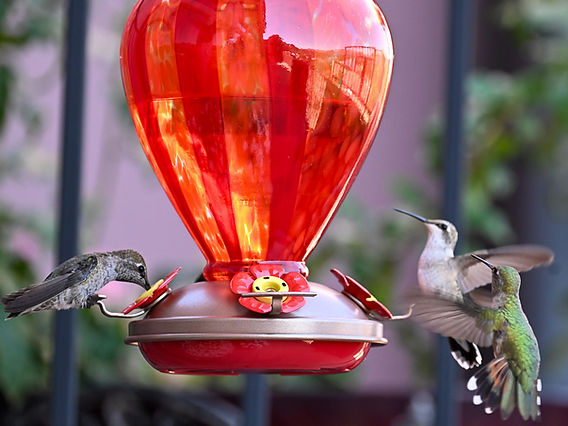
If you want to bring the joy of hummingbirds right to your backyard, knowing how to use a hummingbird feeder is key. These tiny birds are fascinating to watch, and setting up the perfect feeder can make all the difference in attracting them.
You might wonder how to choose, fill, and maintain a feeder so that it’s safe and inviting for these delicate visitors. Keep reading, and you’ll discover simple, effective steps that will have hummingbirds buzzing around your garden in no time.
Your new feathered friends are closer than you think!

Credit: www.reconnectwithnature.org
Choosing The Right Feeder
Types of feedersinclude tube, bottle, and saucer styles. Tube feeders are slim and easy to clean. Bottle feeders hold more nectar and usually have built-in perches. Saucer feeders are flat and attract hummingbirds well in warm weather.
Material considerationsmatter for durability and safety. Plastic feeders are lightweight and affordable but may crack. Glass feeders last longer and resist stains. Metal feeders are durable but can heat up in the sun.
Capacity and sizedepend on how many hummingbirds visit. Small feeders hold about 8 ounces, good for a few birds. Larger feeders hold 16 ounces or more, ideal for busy gardens. Choose a size that fits your space and bird activity.

Credit: americanspcc.org
Preparing The Nectar
To prepare nectar, mix 1 part white granulated sugarwith 4 parts water. Boil the water first, then stir in the sugar until it dissolves. Let the mixture cool before filling the feeder.
Avoid using honey, artificial sweeteners, or red dye. These can harm hummingbirds and cause mold growth. Plain sugar water is the safest and healthiest option.
- Store extra nectar in the refrigerator for up to one week.
- Do not keep nectar in the feeder for more than 3-5 days.
- Clean the feeder thoroughly before refilling to prevent bacteria.
Setting Up The Feeder
Place the feeder where it can get some sunlight but also shade. Bright spots help hummingbirds find the feeder easily. Avoid direct afternoon sun to keep nectar fresh longer.
Hang the feeder securely using a strong hook or bracket. Make sure it does not swing or tilt. This helps prevent spills and keeps birds safe.
- Keep the feeder away from places where cats or squirrels can reach.
- Place it near bushes or trees so birds can rest nearby.
- Clean the area around the feeder to avoid attracting ants or bees.
Maintaining The Feeder
Clean the feeder regularly to prevent mold and harmful bacteria. Replace the nectar every few days to keep it fresh and safe for hummingbirds. Rinse parts with warm water to maintain a healthy feeding spot.
Cleaning Frequency
Clean the hummingbird feeder every week. Regular cleaning stops germs from growing. Use warm water and mild soap. Rinse the feeder well to remove soap. Dry it properly before refilling.
Preventing Mold
Mold can harm hummingbirds. Keep the feeder in a shaded spot. Sunlight can help mold grow. Check the feeder often for mold signs. Clean it right away if mold appears.
Refilling Guidelines
Fill the feeder with fresh nectar every few days. Use sugar and water to make nectar. Don’t use honey or artificial sweeteners. Avoid filling the feeder to the top. Leave some space for air.
Attracting And Observing Hummingbirds
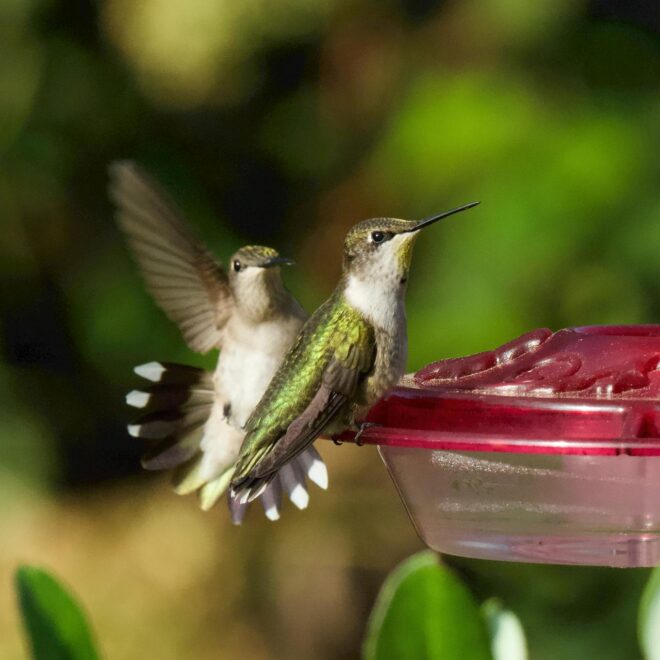
Hummingbirds are most active during early morningsand late afternoons. Offer fresh nectar during these peak feeding times. Change nectar every 2-3 daysto keep it clean and safe.
Create a garden filled with bright flowerslike bee balm, salvia, and trumpet vine. These plants attract hummingbirds and provide natural food sources. Place feeders near flowers to make birds comfortable.
Watch for hummingbird behaviorssuch as:
- Hovering near feeders or flowers
- Defending feeding spots from other birds
- Quick, darting movements
- Resting on nearby branches
These signs show the birds are feeding and feeling safe around your garden.
Credit: www.birdwatchingdaily.com
Frequently Asked Questions
How Do I Fill A Hummingbird Feeder Correctly?
Use a simple sugar water mix: 1 part sugar to 4 parts water. No red dye needed.
How Often Should I Clean My Hummingbird Feeder?
Clean it every 3 to 5 days to stop mold and keep birds healthy.
Where Is The Best Place To Hang A Hummingbird Feeder?
Hang it in a shady, quiet spot near flowers for easy bird visits.
Conclusion
Using a hummingbird feeder brings joy and life to your garden. Keep the feeder clean and filled with fresh nectar. Place it where birds feel safe and can easily find it. Watch the tiny birds visit and enjoy their bright colors.
Feeding hummingbirds helps them stay strong and healthy. Your small effort makes a big difference in their lives. Enjoy the beauty and peace these birds bring every day. Simple steps lead to a happy hummingbird experience.