Have you ever been startled by a bird suddenly hitting your window? It’s not only upsetting for you but also dangerous for the bird.
If you want to protect your feathered friends and keep your home safe, you need simple, effective ways to stop birds from flying into your windows. You’ll discover easy tips and tricks that anyone can use. Keep reading to learn how you can make your windows bird-friendly—because a small change can make a big difference.
Why Birds Collide With Windows
Birds often hit windows because they see reflectionsof trees or sky. These reflections make the glass look like open space. Transparent windowscan confuse birds, as they try to fly through them.
Birds fly fast and use their vision to avoid obstacles. Their flight patternssometimes bring them close to windows. They cannot always tell the difference between glass and open air. This leads to collisions, which can hurt or scare birds.
Understanding these issues helps in finding ways to stop birds from hitting windows.
Signs Of Bird Collisions
Impact markson windows look like smudges or cracks. Birds leave these when they hit glass. These marks often appear in groups or streaks. Spotting these signs early helps prevent more collisions.
Birds that hit windows may show injury symptoms. These include:
- Fluffed-up feathers
- Weak or slow movements
- Bleeding or wounds
- Disoriented behavior
- Unusual silence or lack of flight
Noticing such symptoms means a bird might need help. It also shows which windows cause trouble. Acting fast can save birds’ lives.
Window Treatments To Deter Birds
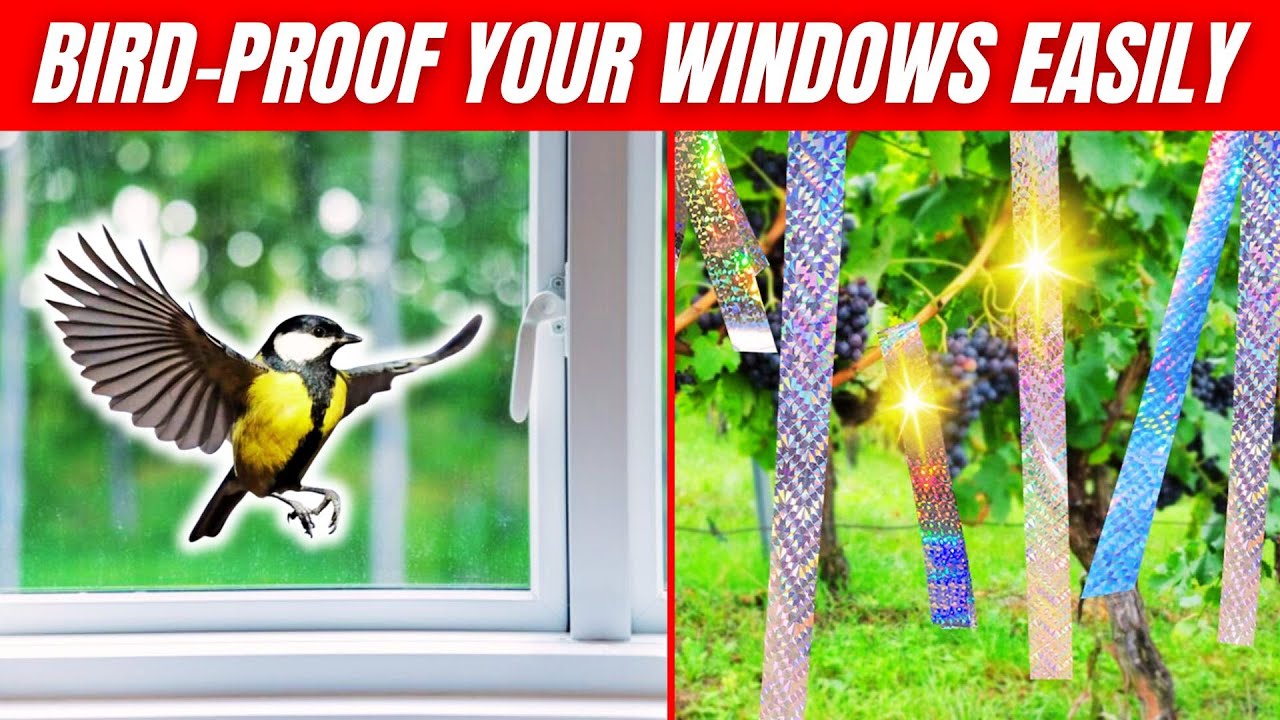
Applying decals or stickers on windows helps birds see the glass and avoid flying into it. Installing external screens or netting breaks up reflections, keeping birds safe. Curtains or blinds also reduce glare and make windows less confusing for birds.
Decals And Stickers
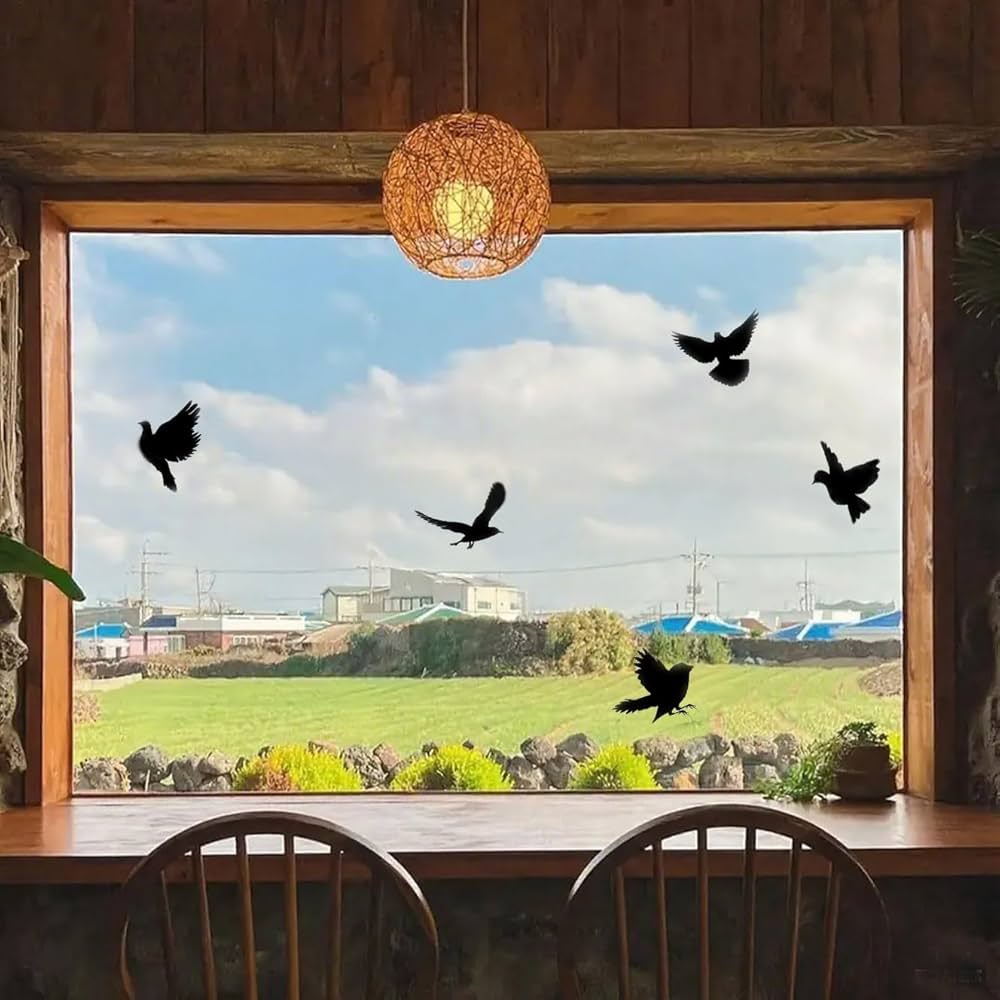
Decals and stickers can help birds see the glass. Birds might think windows are open spaces. Place them on the outside of the window. Choose bright colors and fun shapes. They should be close together. This makes them more effective. Birds will avoid windows with decals.
External Screens And Netting
Screens and netting can stop birds from hitting windows. They act as a barrier. Install them on the outside. They should be tight and secure. Choose netting that is lightweight. It should not block sunlight. Birds will see the netting and fly away.
Window Films And Tints
Window films and tints can make glass less reflective. Birds might see reflections and think they are real. Apply films to the outside of windows. Choose films that reduce glare. Tints can also help. They make windows less shiny. Birds are safer with these treatments.
Environmental Modifications
Place bird feeders and baths either very close (less than 3 feet) or far from windows (more than 30 feet). Birds fly slower near feeders close to windows. This gives them time to stop and avoid hitting glass. Moving feeders far away keeps birds from flying toward windows at full speed.
Plant shrubs or trees near windows to break up reflections. This helps birds see the glass better. Dense plants near windows act as a natural barrier. Bright flowers can also attract birds away from windows.
Lighting And Reflection Adjustments
Nighttime glarecan confuse birds and cause collisions. To reduce this, use curtainsor blindsat night. Turning off unnecessary indoor lights also helps. Dim lightsnear windows to lower reflection chances. Using motion sensor lightsoutside can prevent sudden bright spots that scare birds.
Managing indoor lighting is key. Keep lights away from windows or use lamp shadesto soften light. Position lampsso light doesn’t shine directly on glass. This stops reflections that birds see as open sky or trees.

Credit: www.facebook.com
Using Technology For Prevention
Ultrasonic devices send out sounds birds cannot hear. These sounds make birds feel uncomfortable. Birds avoid areas near these devices. They are quiet for humans and pets. Easy to install near windows or in gardens. Works best in small areas or close to windows.
Motion-activated deterrents react when birds come near. They use lights, sounds, or water sprays. These sudden actions scare birds away quickly. Helps keep birds from hitting windows. Needs good placement to cover bird flight paths.
Helping Birds After A Collision
After a bird hits a window, check it gently for injuries. Move the bird to a quiet, safe place away from pets and people. Keep it in a ventilated box lined with a soft cloth to reduce stress. Do not give food or water immediately; the bird needs rest.
Watch the bird closely for about 15-20 minutes. If it recovers and can stand or fly, release it outside in a safe area. If the bird is weak, has visible wounds, or does not improve, it needs professional help.
- Contact wildlife experts or a local animal rescue center.
- Provide details about the bird’s condition and location.
- Follow their advice for care or transport.

Credit: www.instagram.com
Credit: www.youtube.com
Frequently Asked Questions
Why Do Birds Fly Into Windows?
Birds see reflections or open sky in glass and try to fly through, causing collisions.
What Materials Help Prevent Bird-window Collisions?
Use decals, screens, or films on windows to break reflections and alert birds.
How Can Window Placement Reduce Bird Strikes?
Avoid placing large windows near bird feeders or plants where birds often fly.
Conclusion
Stopping birds from flying into windows protects them and your glass. Simple steps like adding decals or screens can make a big difference. Changing reflections that confuse birds helps keep them safe. Regular checks and adjustments keep your efforts effective.
Small changes in your home create a safer place for birds. Act now to reduce accidents and enjoy watching birds without harm. Every effort counts in protecting our feathered friends.