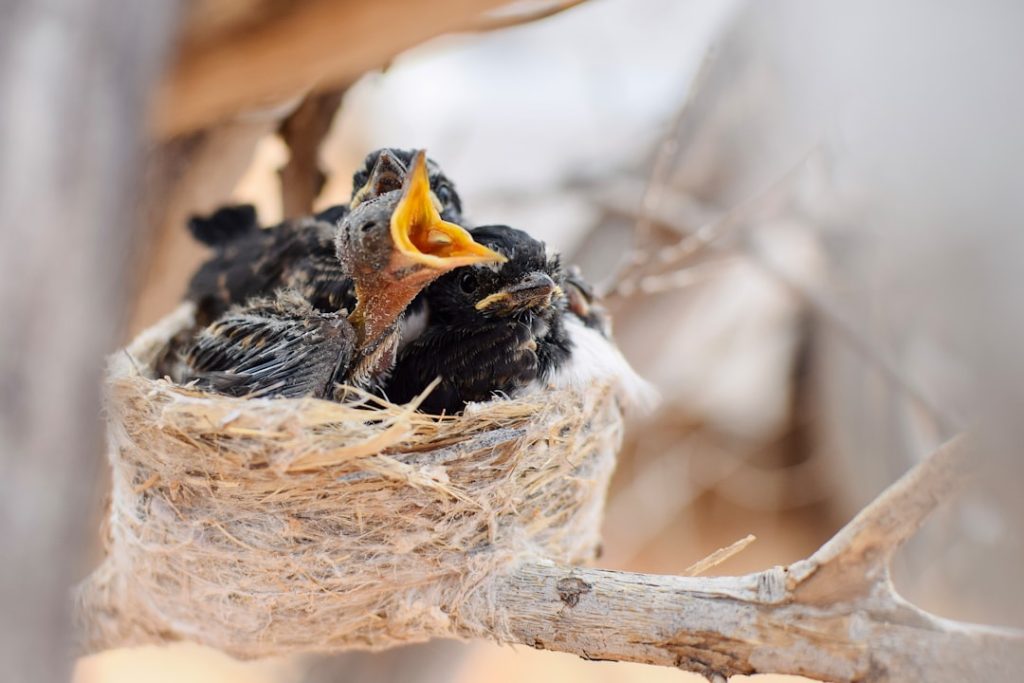
Are you tired of finding bird nests in unwanted spots around your home? Birds building nests can cause damage and create a mess that’s hard to clean up.
You want to keep your space clean and safe without harming the birds. The good news is, there are simple and effective ways you can stop birds from making nests where you don’t want them. You’ll discover easy tips and practical steps to protect your property and enjoy your outdoor space without the hassle of unwanted nests.
Keep reading to learn how to take control and keep those birds at bay!
Why Birds Nest Around Homes
Birds often choose homes for safety and food.They like places with shelter from wind and rain. Many birds build nests near humans because they find warmth and fewer predators.
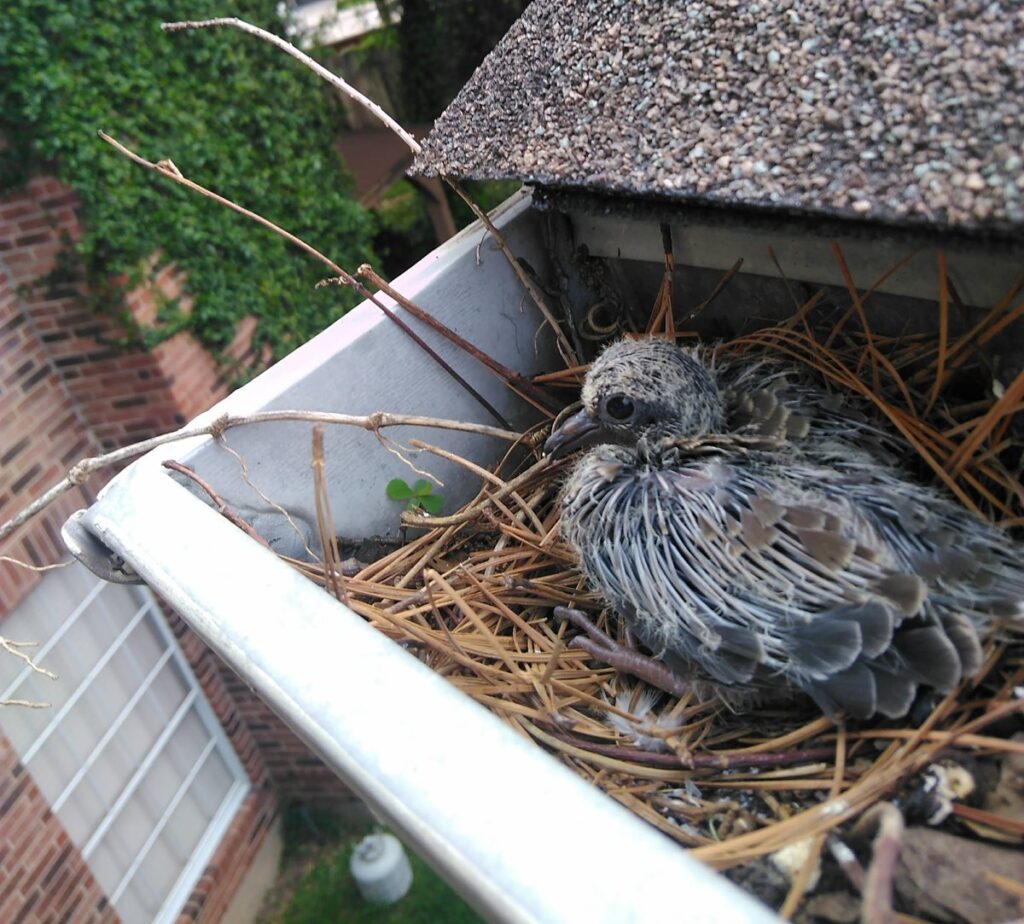
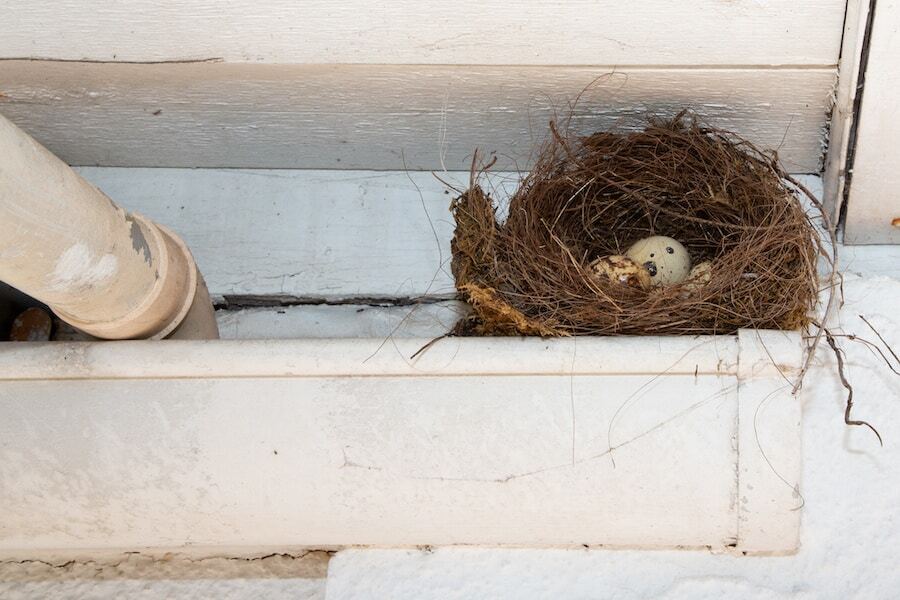
Common nesting spotsinclude eaves, gutters, vents, and shrubs near houses. Birds also use window ledges, attics, and porch roofs. These spots provide good cover and support for nests.
Birds’ nesting behavioris driven by the need to protect eggs and young birds. They gather materials like twigs, leaves, and feathers to make soft nests. Birds return to safe spots year after year, making nests bigger or repairing old ones.
Signs Of Nesting Activity
Birds use various materialsto build nests. Common nest materials include twigs, dry grass, feathers, leaves, and moss. These items are often found in corners, under eaves, or near windows.
Early signs of nestinginclude seeing birds carrying these materials to specific spots. You might also notice small piles of twigs or grass gathering in hidden places.
Birds may visit the same area many times. Listen for chirping soundsor see birds flying back and forth. These are good hints of nesting activity.
- Twigs and small branches:Often used for the nest frame
- Dry grass and leaves:For lining the nest
- Feathers and moss:For extra softness and insulation
Safe Nest Deterrents
Bright and moving objects scare birds away. Hang shiny streamers or old CDs. Use brightly colored windmills. Birds dislike sudden movements and bright lights. Place fake predators like plastic owls nearby. This tricks birds into thinking a predator is near.
Use devices that make noise. Birds dislike loud sounds. Install sonic bird repellents. They emit distress calls. Choose ones with random patterns. This confuses birds. Loud music or radios also work. Birds avoid places with unfamiliar sounds.
Block nesting spots with spikes. Bird spikes are safe and effective. Install nets over roof edges. Nets prevent birds from landing. Use wire mesh on vents and chimneys. Mesh blocks entry points. Birds cannot build nests if access is denied.
Credit: www.crittercontrol.com
Using Natural Remedies
Scent-based deterrentswork by using smells birds dislike. Strong smells like peppermint, vinegar, and eucalyptuscan keep birds away from nesting spots. Soak cotton balls in these scents and place them near areas where birds try to build nests. Replace them every few days to keep the smell strong.
Planting bird-repellent floraadds a natural barrier. Plants like marigolds, lavender, and rosemaryhave scents birds avoid. These plants also make your garden look nice. Arrange them near windows, balconies, or ledges where birds like to nest. This method works gently and keeps the area fresh.
Maintaining Bird-free Zones
Keeping areas clean stops birds from building nests. Remove old nests and droppings often. Clear away twigs and leaves that birds use for nests. Clean gutters and roof edges to remove debris. Check under eaves and around vents regularly.
Seal any holes or gaps around your home. Use mesh or screens on vents and chimneys to block entry. Fill cracks with caulk or foam. Check doors and windows for spaces birds can enter. Tight seals keep birds out and protect your home.
Credit: www.callnorthwest.com
Legal And Ethical Considerations
Many bird species are protected by law. Nest removal or disturbance can be illegal. Check local rules before acting.
Some birds are important to the environment. They help control pests and spread seeds. Avoid harming them.
- Use humane deterrentslike bird spikes or netting to stop nesting.
- Place fake predators like owls to scare birds away.
- Keep areas clean and free of nesting materials.
- Cover vents and holes to block entry points.
- Try sound deterrents that mimic bird distress calls.
Choose gentle methods that do not hurt birds. This helps keep nature safe and balanced.

Credit: www.facebook.com
Frequently Asked Questions
How Can I Stop Birds From Nesting On My Porch?
Use bird deterrents like spikes, nets, or reflective objects to make your porch less inviting.
What Materials Do Birds Use To Build Nests?
Birds use twigs, leaves, grass, feathers, and sometimes soft materials like cloth or paper.
Are There Safe Ways To Remove Bird Nests?
Yes, remove nests carefully outside of breeding season to avoid harming birds or their eggs.
Conclusion
Keeping birds from making nests takes patience and simple steps. Block common spots where birds like to build nests. Use safe methods like netting or bird spikes to keep them away. Clean areas regularly to remove twigs and leaves. Remember, birds look for easy places to nest.
Stay consistent with your efforts for best results. Protect your home and garden without harming birds. A little care goes a long way in preventing nests.