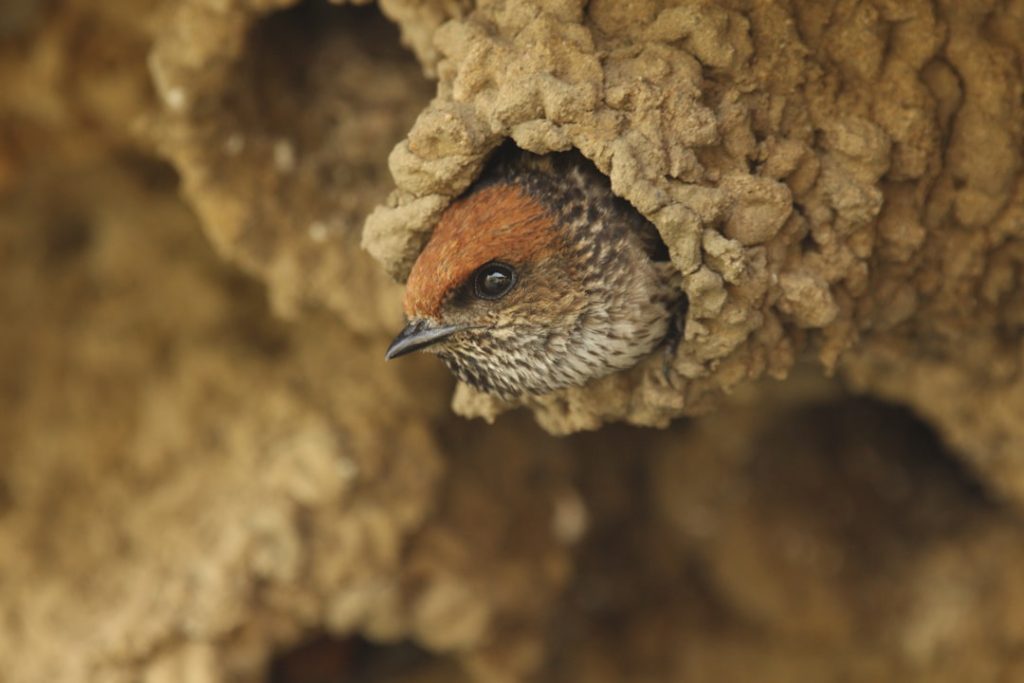
Have you ever stopped to wonder how a tiny bird knows exactly where to start when building its nest? It’s almost like they have a secret blueprint in their heads.
You might think it’s all instinct or luck, but there’s so much more going on beneath the surface. Understanding this natural skill can change the way you see these little architects of the sky. Keep reading, and you’ll discover surprising facts that will make you appreciate their cleverness—and maybe even inspire your own creativity.

Credit: www.allaboutbirds.org
Innate Nesting Instincts
Birds have genetic programmingthat guides them to build nests. This means they are born with a natural abilityto create safe homes for their eggs. They do not need to learn this from other birds. Their instincts tell them how to gather materials and where to place them.
Evolutionplays a big role in this behavior. Birds that built better nests were more likely to protect their young. Over time, these traits passed down through many generations. This helped birds improve their nest-building skillsnaturally.
- Genetic coding tells birds what kind of nests to build.
- Instincts guide them to choose the best materials.
- Evolution favors birds with strong nesting skills.
- Better nests increase chances of chick survival.
Credit: www.newsbreak.com
Environmental Influences
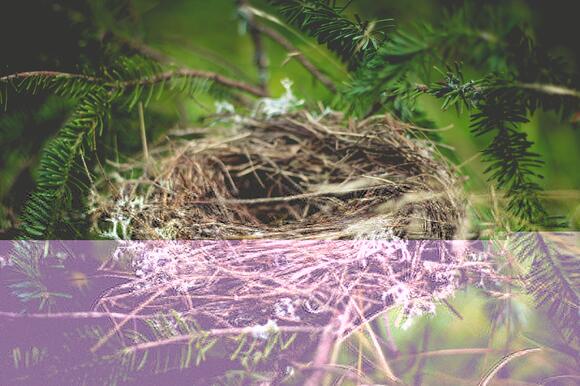
Birds choose nest locationsbased on safety and food access. They look for places hidden from predators and close to water or food sources. Trees, shrubs, and even buildings can serve as homes. This choice helps protect their eggs and chicks.
Material selectiondepends on what’s available nearby. Birds use twigs, leaves, mud, and feathers to build strong nests. Some adapt by using man-made items like string or paper. This flexibility helps them survive in different environments.
Learning From Experience
Birds build nests using trial and error. They try different things. Some sticks may fall. Others may fit perfectly. Birds learn by doing. They improve each time. The nest gets better with practice. This way, birds develop skills to build strong nests.
Young birds watch their parents build nests. They learn by observing. Parent birds show them how to use materials. They teach them where to place sticks. Guidance helps young birds understand the process. They mimic what they see. This way, they learn to make their own nests. Observation is key in learning.
Variations In Nest Designs
Birds build nests that suit their own species. Each bird has a unique way of making nests. Some use twigs, leaves, or mud. Others weave grass or feathers. The shape and size depend on the bird’s needs. For example, hummingbirds build small cup-shaped nests. Eagles make large platform nests high in trees.
Different nests give birds special benefits:
- Protection:Thick nests keep eggs safe from weather and predators.
- Warmth:Soft materials keep baby birds warm.
- Camouflage:Some nests blend into the environment to hide from enemies.
- Stability:Strong nests stay in place during wind or rain.
Technological Insights Into Nest Building
Scientists use special toolsto study how birds build nests. Tiny cameras and GPS trackers help watch birds quietly. These tools show how birds choose materialsand where they build nests. They learn from nature, not from teaching.
Field studies give real-life examplesof nest building. Researchers visit forests and watch birds closely. They note types of sticks, leaves, and mudused. This helps understand bird habitsand environment effectson nests.
| Research Tool | Purpose |
|---|---|
| Tiny Cameras | See inside nests without disturbing birds |
| GPS Trackers | Follow where birds collect materials |
| Field Notes | Record types of materials and nest sites |
Impact Of Human Activity
Human activityoften changes where birds build nests. Cities, farms, and roads can destroy natural homes. Trees and bushes, where birds like to nest, get cut down. This makes it harder for birdsto find safe places.
Pollution and noise from people also stress birds. They may leave their nests or stop building them. Some birds try to use new materialslike plastic, but these are not good for babies.
- Protecting forests helps keep nesting spots safe.
- Building birdhousesgives birds new homes.
- Reducing noise and waste helps birds feel safe.
- People planting trees and bushes create sheltersfor birds.
Conservation groups work hard to help birds survive. They teach people to be kind to nature. Saving bird homes means healthy forestsand happy birds.

Credit: www.instagram.com
Frequently Asked Questions
How Do Birds Learn To Build Nests?
Birds build nests using instincts passed down through generations. They also learn by watching other birds.
What Materials Do Birds Use For Nest Building?
Birds use twigs, leaves, grass, feathers, and mud. Materials depend on the bird species and environment.
Why Do Birds Build Nests In Specific Locations?
Birds choose safe spots to protect eggs from predators and harsh weather. Location helps keep babies warm.
Conclusion
Birds build nests by using natural instincts and learned skills. They choose safe spots and gather materials carefully. Each bird knows how to create a cozy home. This behavior helps protect their eggs and chicks. Nature teaches them step by step, through experience and practice.
Watching birds build nests shows how amazing wildlife truly is. It reminds us of the simple yet smart ways animals survive. Nest building is a natural gift, passed down through generations. It’s a small but vital part of a bird’s life.