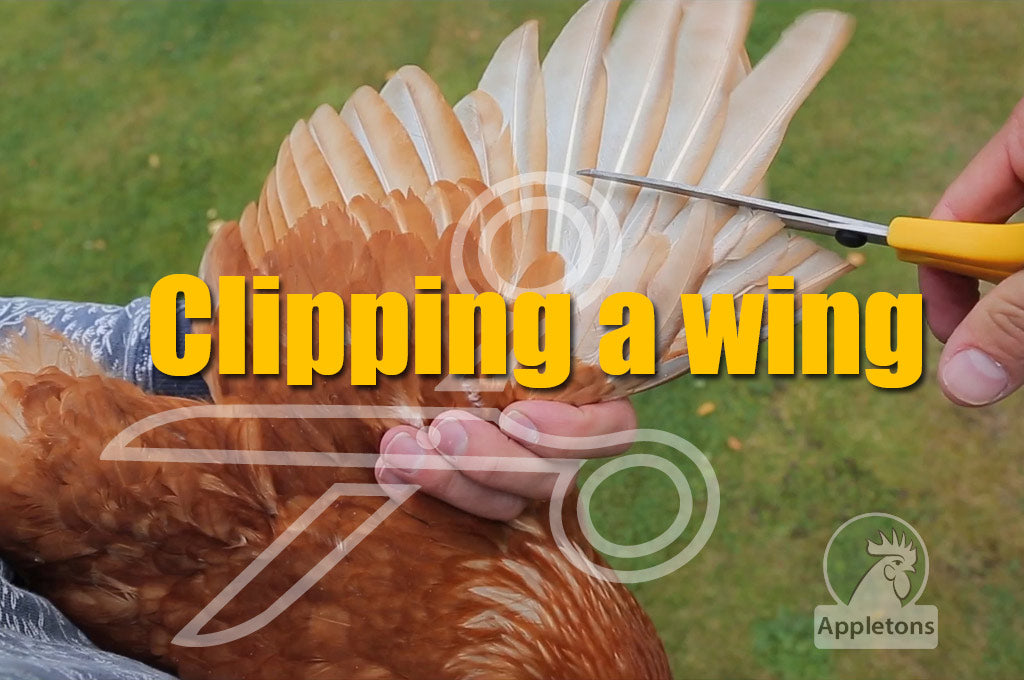
Have you ever wondered how to safely cut a bird’s wings without causing harm? Whether you want to keep your feathered friend from flying into danger or simply need to manage their flight for training, knowing the right technique is crucial.
In this guide, you’ll discover simple, effective steps to trim your bird’s wings with care. By the end, you’ll feel confident and equipped to help your bird stay safe and happy. Keep reading to learn how to do it the right way.
Reasons For Wing Clipping
Wing clippingis done to keep birds safe and controlled. It helps prevent birds from flying into dangerous places. Some birds may hurt themselves if they fly too high or too far. Clipping wings can stop this. It also helps when birds are inside homes, avoiding damage to furniture and windows.
Birds that cannot fly well are easier to train and handle. Wing clipping also helps in managing birds during travel. It can reduce stress for both birds and owners. This care method supports a safer environment for pet birds.

Credit: www.facebook.com
Tools Needed
Essential toolsinclude a pair of sharp nail clippersor small scissors. A clean tool ensures a smooth cut. Use a towelto gently hold the bird still. This prevents sudden movements. A styptic powderor cornstarch helps stop bleeding if needed. Good lightingis important to see the wing clearly. A quiet place keeps the bird calm during the process.
Preparing The Bird
Prepare a calm and quiet space for the bird. This helps reduce stress and fear. Make sure the room is safe and free of distractions. Gently hold the bird to keep it steady. Use a soft towel to wrap the bird if needed. This keeps the bird calm and prevents sudden movements.
Check the bird’s wings and feathers. Look for signs of injury or illness before cutting. Clean your tools with alcohol to avoid infection. Have a helper nearby to assist if possible. Always be gentle and patient throughout the process.
Credit: pethelpful.com
Step-by-step Clipping Process
Begin by gently holding the bird to keep it calm and steady. Identify the primary flight feathers and carefully trim them without cutting blood vessels. Repeat the process on the other wing, ensuring the cuts are even and safe for the bird.
Gently hold the bird with one hand. Use a towel to cover its body. This helps keep the bird calm. Make sure you have good lighting. Check the wings to see the feathers clearly.
Identifying Feathers To Clip
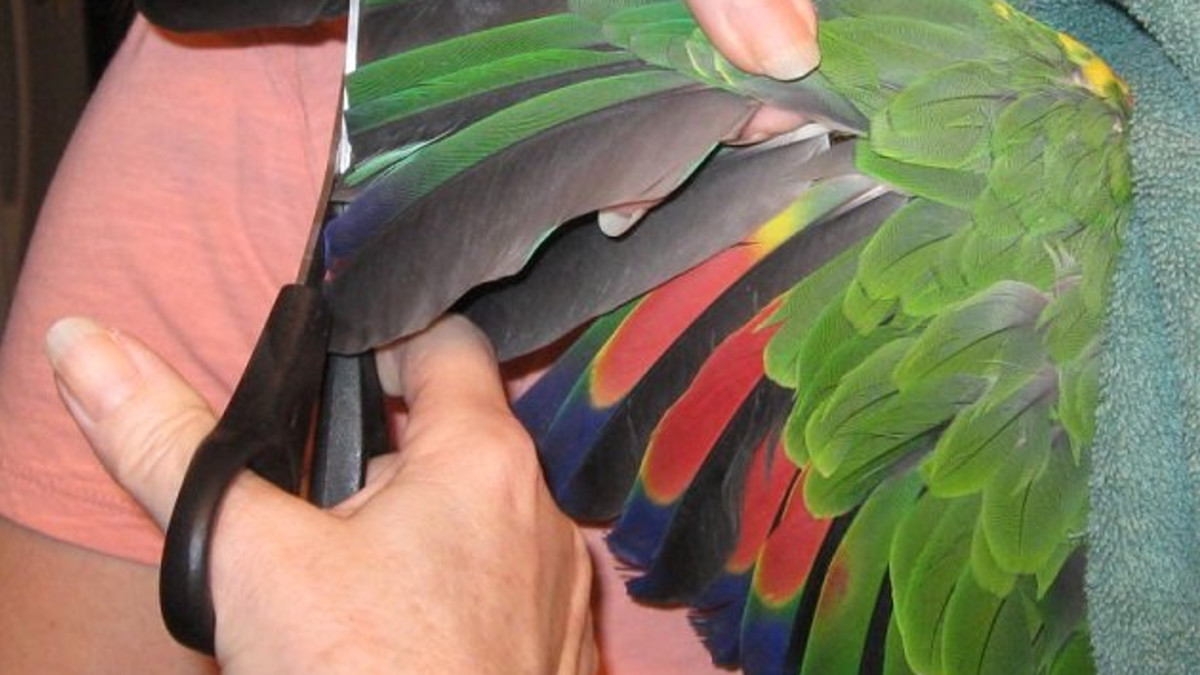
Locate the primary flight feathers. These feathers are the longest ones. They are at the edge of the wing. Be careful not to clip the secondary feathers. These feathers are closer to the body.
Clipping The Feathers
- Use sharp scissors for a clean cut.
- Start cutting from the outer feathers.
- Clip only half of the feather length.
- Check both wings for balance.
Checking For Comfort
Observe the bird after clipping. Ensure the bird can still glide. Watch for any signs of stress or discomfort. Adjust if needed for balance.
Aftercare And Safety Tips
Keep the bird calm and quiet after wing clipping. Avoid loud noises or sudden movements that may frighten it. Check the clipped wings regularly for any signs of bleeding or damage. Provide a safe space for the bird to rest and avoid flying attempts. Offer fresh water and food to help the bird regain energy. Observe the bird’s behavior closely for stress or discomfort.
- Do not clip too close to the skin to prevent injury.
- Use clean, sharp scissors for precise cuts.
- Avoid clipping blood feathers; these are sensitive and bleed easily.
- Consult a vet if unsure about the clipping process.
- Never leave the bird unattended immediately after clipping.

Credit: www.facebook.com
Frequently Asked Questions
How Often Should A Bird’s Wings Be Cut Safely?
Bird wings should be trimmed every 6 to 8 weeks to maintain control and prevent overgrowth.
What Tools Are Needed To Cut A Bird’s Wings?
Use sharp scissors or nail clippers designed for birds to ensure a clean, safe cut.
Can Wing Clipping Harm My Bird’s Health Or Flight?
Proper clipping does not hurt birds but prevents full flight and helps keep them safe indoors.
Conclusion
Cutting a bird’s wings takes care and knowledge. Always handle your bird gently and calmly. Trim only the right feathers to keep it safe. Watch your bird closely after each cut. Regular checks help prevent accidents or stress. Remember, this helps control flying, not harm.
Seek advice from a vet if unsure. A calm bird makes the process easier. Patience and care make wing trimming safe. Keep your bird happy and healthy with these tips.