
Are ants invading your hummingbird feeder and ruining the sweet treat you’ve set out? You’re not alone, and it can be really frustrating to see these tiny intruders take over a spot meant for beautiful birds.
But don’t worry—there are simple, effective ways to keep ants away and protect your feeder. You’ll discover easy tricks that work, so you can enjoy watching hummingbirds without unwanted guests crashing the party. Keep reading to find out how to make your feeder ant-free and bird-friendly!

Credit: www.facebook.com
Why Ants Are Drawn To Feeders
Ants are drawn to hummingbird feeders mostly because of the sugarin the nectar. Sugar is a sweet treatfor ants, which makes feeders an easy food source. They can sense the sugar from far away and quickly find the feeder.
Sometimes, the designof the feeder makes it easier for ants to get inside. Feeders with wide openingsor no barriers let ants walk right to the nectar. If the feeder has no way to stop ants, they will keep coming back.

Credit: www.farmhouse40.com
Choosing The Right Feeder
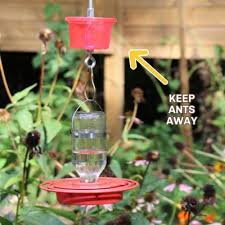
Choosing a feeder with ant-resistant featureshelps keep ants away. Some feeders have built-in ant moats. These small water-filled barriers stop ants from reaching the nectar. Others use sticky bands wrapped around the feeder’s neck to block ants.
The materialof the feeder also matters. Metal or glass feeders are easier to clean and less likely to trap ants. Plastic feeders can sometimes hold sugary residue that attracts ants.
| Feature | Benefit |
|---|---|
| Ant moat | Water barrier blocks ants |
| Sticky band | Stops ants climbing up |
| Metal or glass material | Easy to clean, less sticky |
| Plastic material | May trap sugary residue |
Placement Strategies
Placing hummingbird feeders away from plants and trees helps reduce ant visits. Using ant moats or hanging feeders on thin wires also stops ants from reaching the nectar. Keeping the feeder clean prevents ants from being attracted.
Distance From Ant Trails
Keep the feeder away from ant trails. Ants follow scent trails. Place the feeder far from these paths. Ants find food by following trails. Distance helps keep them away. Choose a spot with fewer ants. Try to observe where ants go. Avoid placing feeders in those areas.
Elevation Tips
Elevate the feeder to keep ants away. Hang it from a high spot. Ants struggle to reach elevated places. Use a pole or tree branch. Make sure it’s stable and safe. Elevation helps deter ants effectively. Choose a height that birds can still reach. Keep it high but accessible for hummingbirds.
Physical Barriers Against Ants
Ant moats are small containers filled with water placed above the feeder. They create a water barrierthat ants cannot cross. This keeps ants away from the nectar. Many hummingbird feeders come with built-in moats or hooks to add them.
Sticky barriers work by trapping ants on a sticky surface. Wrap a sticky tape or use special sticky bands around the feeder’s pole. Ants get stuck and cannot reach the feeder. Make sure to keep the sticky area clean and replace it when full of debris.
- Ant moats:Use water to block ants
- Sticky barriers:Trap ants on sticky tape
- Place barriers high enough to protect the feeder
- Check and refill water in moats regularly
- Replace sticky tape when dirty or full of ants
Natural Repellents
Essential oilslike peppermint, cinnamon, and clove work well to keep ants away. Mix a few drops of these oils with water and spray around the feeder’s base. The strong smell confuses ants and stops them from coming near.
Using non-toxic spraysis another safe way to protect your feeder. Look for sprays made from natural ingredients like vinegar or lemon juice. These sprays repel ants without harming birds or plants.
- Apply essential oil sprays regularly for best results.
- Spray non-toxic mixtures around the feeder’s stand and nearby surfaces.
- Reapply after rain or watering to keep ants away.
Credit: en.nap.edu.vn
Cleaning And Maintenance
Clean the feeder often to stop ants from coming. Use warm water and mild soap. Rinse the feeder well to remove all soap. Let it dry before refilling with nectar.
Spilled nectar attracts ants quickly. Wipe any spills around the feeder base and hanging area every day. Keep the feeder area neat and dry. This simple step helps keep ants away.
Additional Preventive Measures
Placing ant baitsaway from feeders helps lure ants away. This keeps ants busy and far from the hummingbird food.
Keep a close watch on your feeder. Monitoring ant activityhelps catch any new ants early. Remove ants quickly to stop them from spreading.
- Set ant baits at least 10 feet from feeders.
- Check feeders daily for ant trails or nests.
- Clean spills near feeders to avoid attracting ants.
- Replace sugar water regularly to prevent fermentation.
Frequently Asked Questions
How Can I Stop Ants From Reaching My Hummingbird Feeder?
Place an ant moat filled with water above the feeder to block ants from climbing down.
What Natural Methods Keep Ants Away From Hummingbird Feeders?
Use sticky barriers or spread cinnamon powder around the feeder base to repel ants.
Does Cleaning The Feeder Help Prevent Ants?
Yes, regular cleaning removes sugary residue that attracts ants and keeps the feeder safe.
Conclusion
Keeping ants away from your hummingbird feeder takes some care and patience. Clean the feeder often to stop ants from smelling the nectar. Use natural barriers like sticky tape or water moats to block ants. Place the feeder where ants have a hard time reaching it.
Watch for any ant trails and remove them quickly. Enjoy watching hummingbirds without worrying about ants stealing their food. Small steps make a big difference in protecting your feeder. Your birds will thank you with their bright colors and lively visits.
Keep trying different methods until you find what works best.