
Are you tired of finding bird nests popping up around your home or garden? While birds are a beautiful part of nature, their nests can sometimes cause damage or create unwanted messes.
You want to enjoy your space without worrying about nests being built in your gutters, vents, or porch. The good news is, you don’t have to accept this as a permanent problem. You’ll discover simple, effective ways to keep birds from building nests where you don’t want them.
Keep reading to protect your home and enjoy peace of mind all year round.
Why Birds Build Nests
Birds build neststo lay eggs and keep their chicks safe. Nests protect from weather and predators. Birds choose spots that feel safe and warm.
Common places for nests include trees, bushes, and rooftops. Birds also nest in quiet corners like vents or ledges. These spots are close to food and shelter.
Birds use twigs, leaves, grass, and mud to make nests. They build carefully to create a strong home. Nesting shows bird behaviorfor caring and survival.

Credit: www.facebook.com
Signs Of Nest Building
Birds start gathering soft materials early in the season. You might see twigs, leaves, and feathers near windows or eaves. Small piles of these items can mean a nest is being built.
Birds often choose quiet, sheltered spots. Watch places like gutters, vents, or porch corners for any activity. Chirping and fluttering sounds can also hint at nest building.
| Material | Description |
|---|---|
| Twigs | Small sticks used for the nest base |
| Grass | Soft strands for lining |
| Feathers | Provide warmth inside the nest |
| Leaves | Used for padding and cover |
| Hair or Fur | Adds softness and insulation |
Physical Barriers To Nesting
Physical barriers like mesh screens or netting block birds from accessing nesting spots. Covering ledges and vents helps stop birds from building nests in unwanted areas. These simple tools keep birds away without causing harm.
Netting And Screens
Netting can cover areas where birds might nest. Use strong nets that birds can’t break. Screens block birds from entering small spaces. Fit screens tightly to keep birds out. Both tools are easy to use. They work well for windows and balconies. Make sure nets and screens are clean and clear. Check them often for damage.
Spikes And Slopes
Spikes make surfaces hard to land on. Place them on ledges and roofs. Birds avoid places with spikes. Slopes create uneven surfaces. Birds can’t nest on slopes. Use slopes on flat surfaces like window sills. Both spikes and slopes are effective. They keep nesting areas bird-free. Regular checks ensure they stay in good condition.
Deterrents And Repellents
Visual deterrentsuse objects that scare birds away. Shiny items like foil stripsor reflective tapeconfuse birds. Moving items such as plastic owlsor scare balloonscan stop birds from nesting near your home.
Sound devicesemit noises that birds dislike. Ultrasonic machines send sounds birds cannot hear well. Other devices play predator calls or distress sounds to make birds stay away. These sounds should be used carefully to avoid disturbing neighbors.
Scent repellentsuse smells birds avoid. Some natural oils like peppermintor eucalyptuscan keep birds off. Sprays with these scents work well around nesting spots. Regularly reapply them for best results.
Habitat Modification
Birds build nests where food is easy to find. Remove open trash cans and bird feeders to stop this. Keep pet food inside and clean fallen fruit from trees.
Trim bushes and trees near your home. Cut back branches that birds use to land or hide. Thin thick shrubs to reduce shelter spots. This makes your yard less inviting for nest building.
| Action | Effect |
|---|---|
| Remove food sources | Less attraction for birds to stay |
| Trim vegetation | Fewer places to build nests |
Credit: www.crittercontrol.com
Regular Maintenance
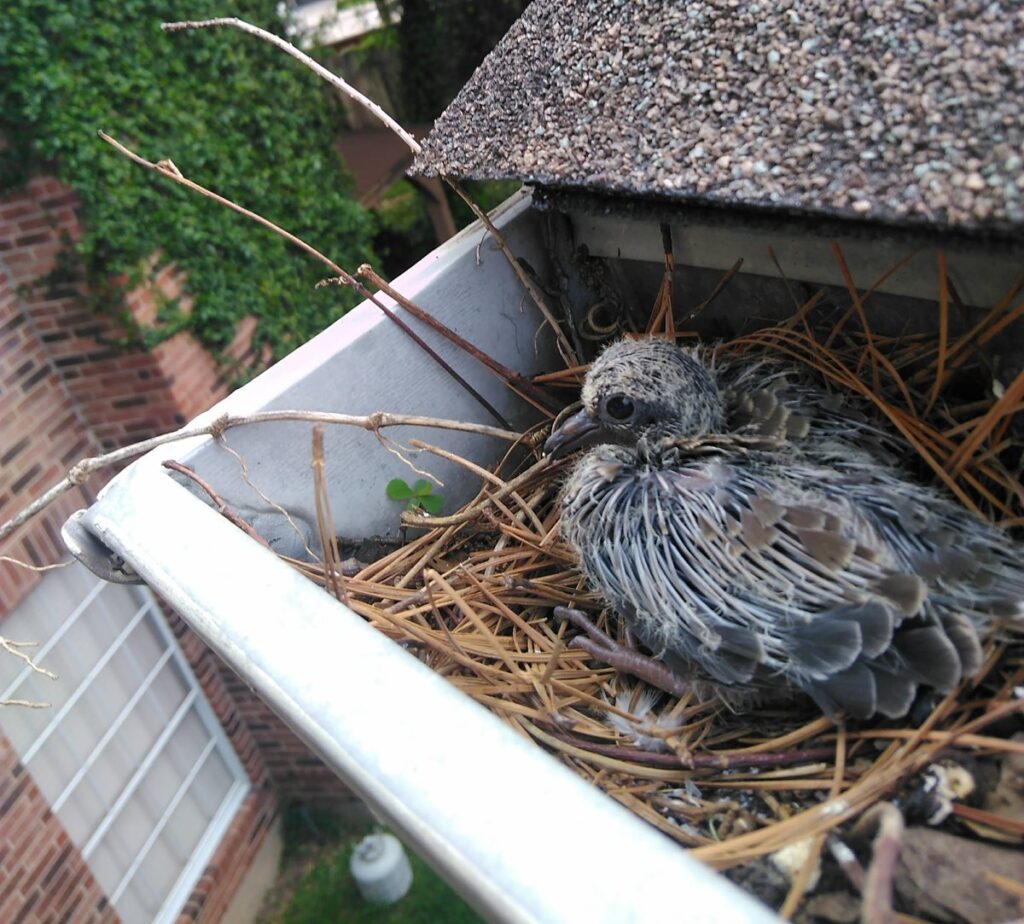
Keeping nesting areas clean helps stop birds from settling. Remove old nests and debris often to make spots less inviting. Check places like eaves, ledges, and vents regularly. Early action can prevent birds from starting nests.
Watch areas where birds like to gather. Spotting nests early means you can remove them before eggs hatch. This saves trouble later. Use simple tools like gloves and a broom for cleaning. Consistency is key to success.
Legal And Ethical Considerations
Many birds are protected by law. Disturbing their nests can be illegal. Some species are endangered or have special protection rules. Check local wildlife laws before acting. Protecting birds helps nature stay balanced.
Safe nest removal means handling nests carefully. Remove nests only when birds are not inside. Avoid destroying eggs or chicks. Use gentle tools and wear gloves. Avoid loud noises or sudden moves. This reduces stress to the birds.
- Check for active nests before removal
- Remove nests in early spring or late fall
- Use humane deterrents like bird spikes or netting
- Never use poisons or harmful chemicals
- Contact wildlife experts if unsure
When To Seek Professional Help
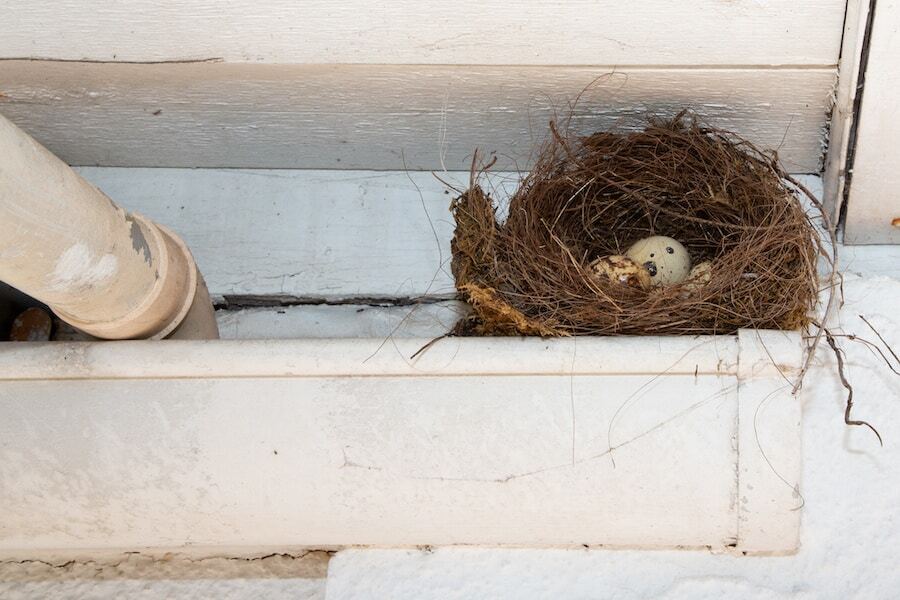
Sometimes, birds build nests in hard-to-reach places. This can cause damage or mess. Pest control servicescan help remove nests safely. They use special tools and know bird rules. Wildlife experts understand how to handle birds without harm. They can also help protect your home from future nests.
Here are reasons to call professionals:
- Birds keep coming back despite your efforts
- Nests block vents or damage structures
- Birds become aggressive or noisy
- You find eggs or baby birds in unsafe spots
Professionals follow laws that protect birds. They remove nests carefully and clean the area. This helps stop birds from returning. Trusting experts keeps both your home and birds safe.
Credit: www.callnorthwest.com
Frequently Asked Questions
How Can I Stop Birds From Nesting On My Porch?
Remove nesting materials and use bird deterrents like reflective tape or fake predators.
What Materials Do Birds Use To Build Nests?
Birds use twigs, leaves, grass, feathers, and sometimes human items like string or paper.
When Is The Best Time To Remove Bird Nests?
Remove nests early spring before eggs are laid to avoid disturbing birds and follow local laws.
Conclusion
Keeping birds from building nests takes patience and simple steps. Remove any materials birds use for nests. Use barriers like netting or spikes to block spots. Clean areas often to make them less inviting. Stay consistent with these actions to see results.
Your efforts help protect your space without harm. A little care goes a long way in keeping birds away. Try these tips and enjoy a bird-free area soon.