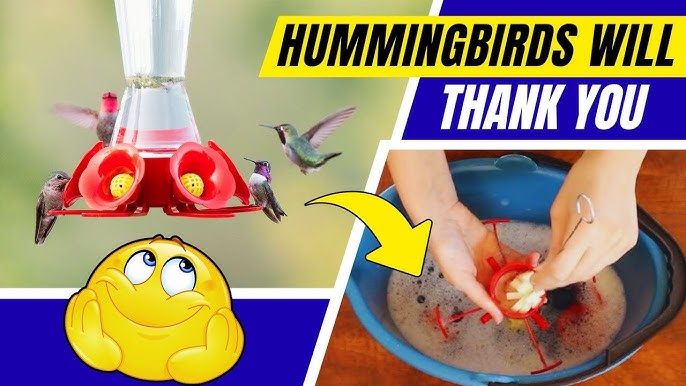
If you love watching hummingbirds visit your garden, keeping your feeder clean is key. Dirty feeders can harm these tiny birds and stop them from coming back.
But cleaning your hummingbird feeder doesn’t have to be hard or time-consuming. In this guide, you’ll learn simple, effective steps to clean your feeder safely and quickly. By following these tips, you’ll enjoy more vibrant visits and help keep hummingbirds healthy.
Ready to make your feeder sparkle and attract more winged friends? Let’s dive in!
Why Clean Feeders Matter
Cleaning hummingbird feedersis very important. It helps stop mold and bacteriafrom growing. Mold can make the nectar bad and can harm the birds. Bacteria can cause sickness to hummingbirds.
Clean feeders also keep the nectar fresh and tasty. Fresh nectar attracts more hummingbirds. Dirty feeders can make the nectar turn cloudy and smell bad. This can scare the birds away.
Protecting hummingbird health means regular cleaning. Use warm water and a brush to scrub all parts. Rinse well to remove all soap and dirt. Clean feeders at least once a week during warm weather.
| Why Clean Feeders Matter | Benefits |
|---|---|
| Preventing Mold and Bacteria | Stops harmful growth that can hurt birds |
| Protecting Hummingbird Health | Keeps birds safe from illness |
| Maintaining Nectar Quality | Keeps nectar fresh and inviting |

Credit: www.facebook.com
When To Clean Your Feeder
Clean your hummingbird feeder often to keep birds healthy. In warm weather, clean the feeder every 2-3 days. Cooler weather allows cleaning once a week. Hot temperatures cause nectar to spoil faster.
Signs of spoiled nectar include a cloudy color and bad smell. Mold or dark spots also mean it’s time to clean. Spoiled nectar can make hummingbirds sick.
Always clean the feeder after refilling. This prevents old nectar from mixing with fresh nectar. Use warm water and mild soap for cleaning. Rinse well to remove soap before refilling.
Essential Cleaning Supplies
Gather basic supplies like warm water, mild soap, a bottle brush, and white vinegar. These tools help remove mold and sugar buildup effectively. Regular cleaning keeps hummingbirds healthy and feeders fresh.
Safe Cleaning Brushes
Brushes with soft bristles are perfect for feeders. They help remove dirt and grime gently. Avoid metal brushes that can scratch surfaces. Choose long-handled brushes for deep cleaning. They reach tough spots easily.
Natural Cleaning Agents
Mix vinegar and water for a gentle cleaning solution. Baking soda is another safe option. It scrubs away residue without harm. Lemon juice can add freshness and disinfect. These agents are safe for birds.
Avoiding Harmful Chemicals
Never use bleach or strong detergents. They can leave harmful residues. These chemicals might harm birds. Stick to natural agents only. Check labels for safety before use.
Step-by-step Cleaning Process
First, take apart the feeder carefully. Remove all pieces like the base, bottle, and perches. This helps clean every part well. Check for cracks or damage while disassembling.
Soak the pieces in warm water mixed with mild soap. Let them sit for 10-15 minutes to loosen dirt and mold. Use a soft brush to scrub inside and outside gently. Avoid harsh cleaners that can harm birds.
Rinse all parts with clean water. Make sure no soap remains, as it can be harmful. Use running water or a clean container to wash thoroughly. Check the small openings for leftover soap.
Let the pieces air dry completely. Place them on a clean towel in a sunny spot. Do not put the feeder back together when still wet. Drying fully stops mold growth and keeps birds safe.
Tips For Preventing Build-up
Regular cleaning stops mold and bacteria from growing inside the feeder. Empty old nectar and wash the feeder every few days. Use warm soapy water and a soft brush to clean all parts well.
Vinegar works great for deep cleaning. Mix one part vinegar with four parts water. Soak the feeder for 30 minutes, then scrub and rinse thoroughly. This kills germs and removes stubborn dirt.
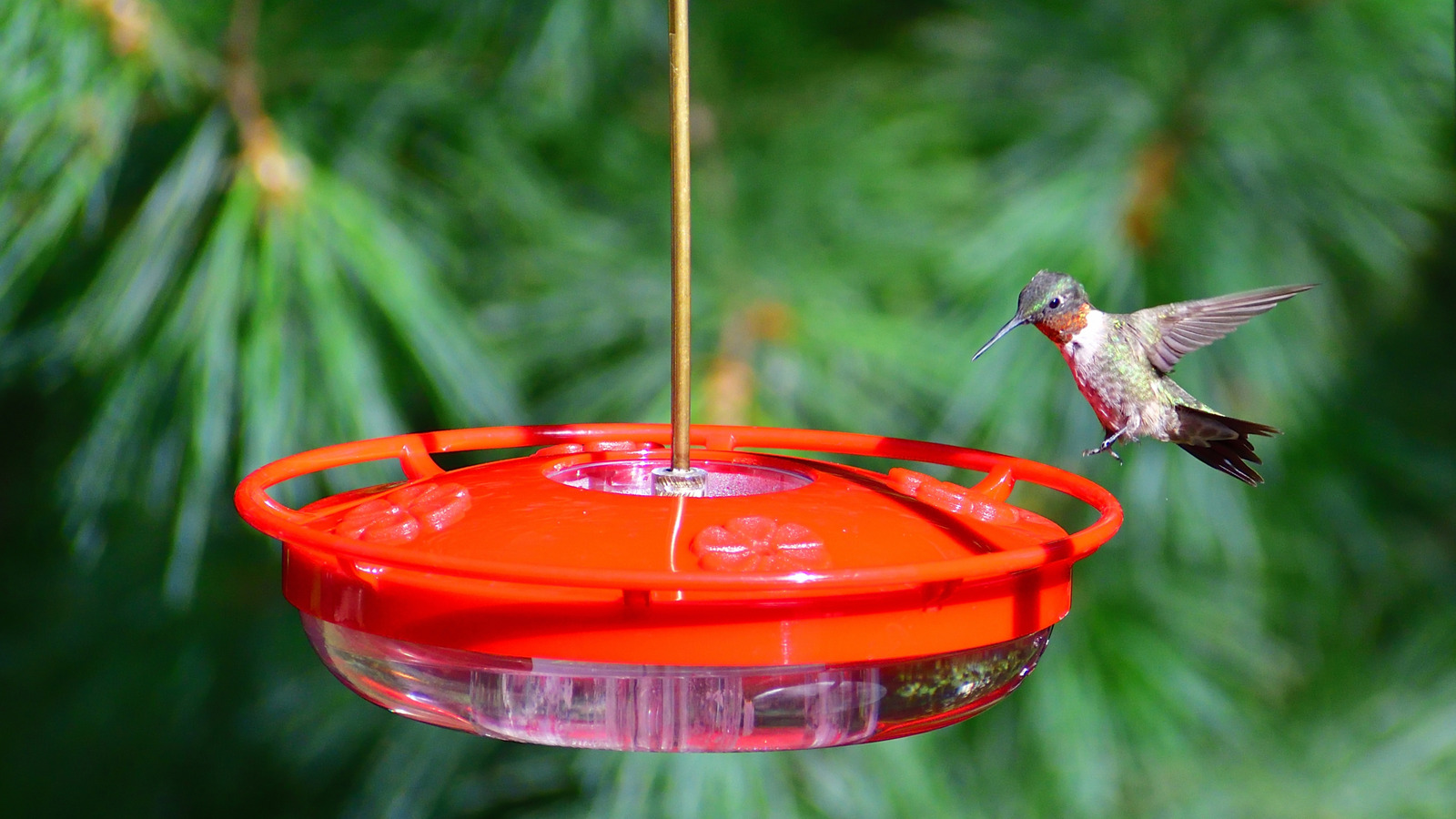
Store feeders in a cool, dry place when not in use. Keep them covered to stop dust and insects. Proper storage helps feeders stay clean and safe for hummingbirds.
Credit: www.housedigest.com
Troubleshooting Common Issues
Stubborn residue on hummingbird feeders can block nectar flow. Use a soft brush or sponge with warm, soapy water. Avoid harsh chemicals that may harm birds. Rinse thoroughly to remove all soap.
Ants and insects can be a big problem. Try using ant moats or placing feeders away from plants. Clean the feeder regularly to avoid sticky nectar spills that attract pests.
Cracks or damage can cause leaks and spoil nectar. Inspect feeders often. Small cracks may be sealed with bird-safe glue. Replace feeders with large damage to keep birds safe.

Credit: www.feathersnapcam.com
Frequently Asked Questions
How Often Should I Clean Hummingbird Feeders?
Clean hummingbird feeders every 3 to 5 days to prevent mold and bacteria growth.
What Is The Best Way To Clean Hummingbird Feeders?
Use warm soapy water and a bottle brush to scrub all feeder parts thoroughly.
Can I Use Bleach To Clean Hummingbird Feeders Safely?
Yes, use a weak bleach solution (1 part bleach to 9 parts water) and rinse well.
Conclusion
Cleaning hummingbird feeders keeps birds healthy and happy. Regular washing stops mold and bacteria growth. Use warm water and mild soap for best results. Rinse well to remove all soap. Let feeders dry before refilling with fresh nectar. Clean feeders at least once a week during warm months.
This simple habit helps you enjoy more visits from hummingbirds. A clean feeder means safe food and bright bird colors. Keep your feeders fresh to support these tiny, beautiful visitors.