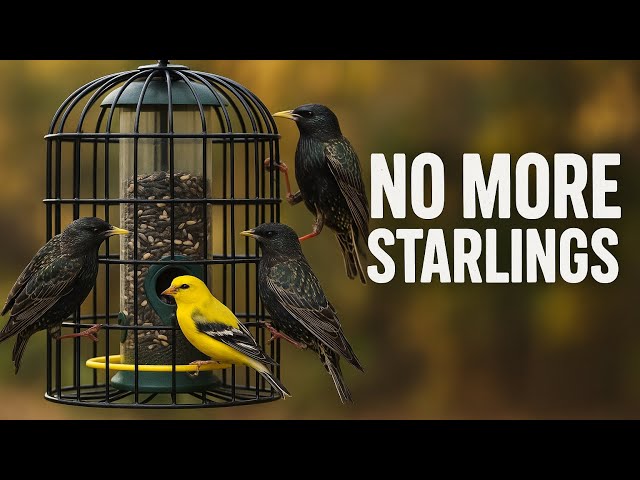
Are starlings taking over your bird feeders and driving away the smaller birds you want to attract? You’re not alone.
These noisy, aggressive birds can quickly empty your feeders and leave a mess behind. But don’t worry—there are simple, effective ways to keep starlings at bay without harming them. You’ll discover practical tips that will help you protect your feeders and enjoy a peaceful backyard filled with the birds you love.
Keep reading to find out how you can take back your bird feeders today.
Why Starlings Visit Feeders
Starlings visit bird feeders because they find food easily. They like places with plenty of seedsand easy access. Feeders with sunflower seeds, cracked corn,and safflower seedsattract them the most.
Starlings eat in groups and prefer feeders that hold a lot of food. They can be very bold and noisy. They often scare away smaller birds.
- Sunflower seeds are a favorite for starlings.
- Cracked corn is easy for them to eat.
- Safflower seeds are less liked by starlings but good for other birds.
- Feeders with large trays or open platforms attract more starlings.
Starlings feed mostly on the ground or low feeders. They like to gather in flocksto eat. Their feeding habits can cause problems for other birds.

Credit: www.facebook.com
Choosing Starling-resistant Feeders
Starling-resistant feeders often have smaller perchesor none at all. This design stops starlings from landing easily. Feeders with weight-sensitive portsclose when heavy birds like starlings try to feed.
Feeders made with caged designsallow smaller birds in but block larger starlings. Shapes like tube feederswith narrow openings work well. They fit small birds but keep starlings out.
| Feeder Type | Design Feature | How It Deters Starlings |
|---|---|---|
| Tube Feeder | Narrow Feeding Ports | Allows small birds, blocks starlings |
| Caged Feeder | Wire Cage Surround | Blocks larger birds, permits small birds |
| Weight-Sensitive Feeder | Perch Closes When Heavy | Stops heavy starlings from feeding |
Modifying Feeding Practices
Changing the type of food in your feeder can discourage starlings. Choose seeds they dislike and offer smaller portions to reduce their visits. Adjusting feeding times may also help limit starling presence.
Selective Seed Choices
Choose seeds that starlings dislike. Safflower seeds are a good option. Nyjer seeds are also disliked by starlings. These seeds attract other birds. Avoid mixed seeds as they attract starlings. Keep feeders clean and dry. Wet seeds can attract starlings. Try using feeders with small perches.
Feeding Schedules And Locations
Change feeding times to confuse starlings. Feed early morning or late evening. Starlings are active during the day. Move feeders to a quiet spot. Starlings prefer busy areas. Hang feeders from branches or poles. High places are less attractive to starlings. Use feeder covers to limit access.

Credit: www.facebook.com
Physical Deterrents And Barriers
Spikes and screensstop starlings from landing on feeders. They make it hard for birds to perch nearby. Metal or plastic spikes work well on poles and feeder tops. Screens can cover food trays to keep starlings out. Choose screens with small holes. This blocks large birds but allows smaller ones to feed.
Placementis key. Put feeders away from walls and trees. Starlings like to hide nearby. Hanging feeders from thin wires makes landing tricky. Place feeders in open spaces. This gives smaller birds a better chance to eat. Rotate feeder spots now and then. Changing locations keeps starlings confused.
Natural Repellents And Scare Tactics
Visual deterrentshelp scare starlings away from feeders. Hanging shiny objects like CDs or aluminum foil strips can confuse and frighten them. Reflective tape also works well by moving in the wind and creating flashes of light. Placing fake predators such as plastic owls or hawks nearby can trick starlings into thinking danger is close. These methods are safe and easy to use.
Sound devicesemit noises that disturb starlings without harming other birds. Ultrasonic repellents create high-pitched sounds only birds can hear, making starlings uncomfortable. Some devices play distress calls or predator sounds to keep starlings at bay. Change the sound patterns often, so starlings don’t get used to them.
| Chemical Repellents | Effectiveness | Safety |
|---|---|---|
| Capsaicin-based sprays | Moderate | Safe for most birds |
| Bitrex solutions | Low to moderate | Non-toxic but bitter |
| Commercial bird repellents | Varies | Check label for safety |
Chemical repellents taste bad or irritate starlings, so they avoid feeders. Use only those labeled safe for birds and the environment. Reapply often after rain or cleaning. Always follow instructions carefully to protect all wildlife.
Maintaining A Starling-free Feeding Area
Cleaning bird feeders often keeps starlings away. Remove old seeds and debris daily. This stops starling attraction and helps keep food fresh for smaller birds. Wash feeders with warm, soapy water weekly to kill germs. Dry completely before refilling.
Observe your feeder area regularly. Note which birds visit and when starlings appear. Move feeders slightly to find spots less favored by starlings. Change feeding times to avoid peak starling visits. Try different seed types to attract preferred birds.
- Clean feeders daily
- Wash with soap weekly
- Watch bird visits often
- Move feeders to new spots
- Change feeding times
- Use seed types smaller birds like

Credit: www.instagram.com
Frequently Asked Questions
How Can I Stop Starlings From Eating Bird Feeder Seeds?
Use feeders with small openings and offer seeds like safflower that starlings dislike.
What Types Of Feeders Repel Starlings Effectively?
Tube feeders with narrow perches and weight-sensitive feeders help keep starlings away.
Are There Safe Ways To Scare Starlings From My Feeders?
Yes, shiny objects and noise makers can scare starlings without harming them.
Conclusion
Starlings can be tough to keep away from feeders. Use special feeders and change bird seed types. Move feeders to different spots often. Try noise or visual deterrents to scare them off. Be patient and consistent with your efforts. These steps help protect your favorite birds.
Enjoy peaceful feeding without starling trouble. Keep your garden happy and balanced. Small changes make a big difference over time. Stay calm and watch your feeder thrive.