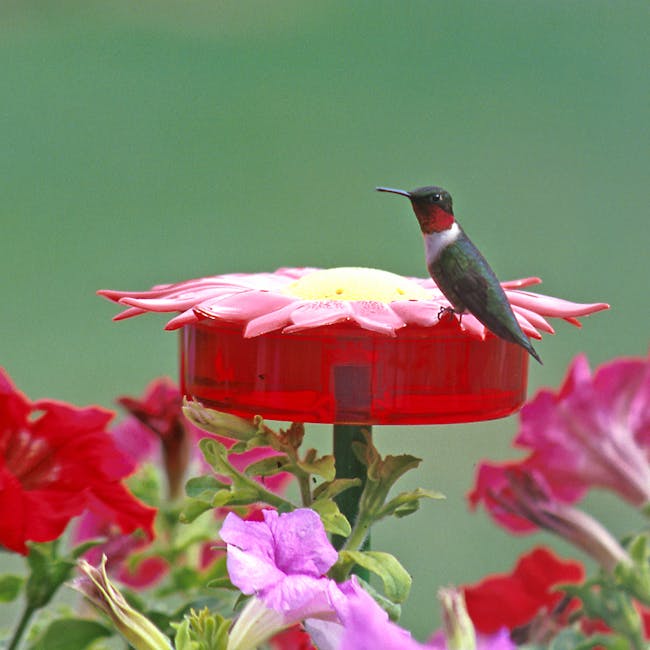
Are you tired of ants invading your hummingbird feeder and ruining the sweet nectar? You’re not alone.
Those tiny pests can quickly take over, making it hard for the hummingbirds to enjoy their food—and for you to enjoy watching them. But don’t worry, there are simple and effective ways to keep ants away without harming the birds.
Keep reading to discover easy tricks that will protect your feeder and keep the ants at bay, so your hummingbirds stay happy and healthy all season long.
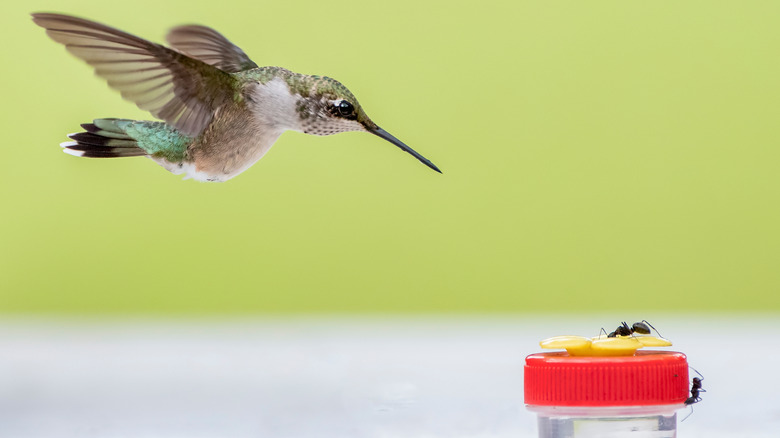
Credit: www.housedigest.com
Why Ants Are Attracted To Feeders
Antsare drawn to hummingbird feeders mainly because of the sweet nectar. This sugary liquid is a perfect food source for them. The more sugar in the nectar, the more attractive it becomes to ants and other insects.
Where the feeder is placed also matters a lot. Ants can easily reach feeders that are close to trees, bushes, or walls. These places provide easy paths for ants to travel. Placing feeders away from such areas can help reduce ant visits.
- Ants love sugary nectar in feeders.
- Feeders near plants or walls attract more ants.
- Distance from ant trails can keep ants away.

Credit: www.facebook.com
Choosing Ant-proof Feeders
Choosing feeders with built-in ant barriershelps keep ants away. These barriers create a physical blockthat ants cannot cross. Some feeders use a moat filled with waterto trap ants. Others have a sticky surface or a special ring that stops ants from reaching the nectar.
The material and designof the feeder matter a lot. Feeders made of smooth plastic or glassare easier to clean. Ants find it hard to climb on slippery surfaces. Avoid wooden feeders because ants can crawl through tiny cracks. Look for feeders with tight sealsto stop ants from entering.
- Choose feeders with water moats or sticky ant rings.
- Pick smooth plastic or glass materials.
- Avoid wood or rough surfaces that ants can climb.
- Check for tight seals to block ant entry.
Effective Ant Deterrents
Natural repellentshelp keep ants away without chemicals. Sprinkling cinnamonor peppermint oilnear feeders works well. Ants dislike these strong smells and avoid the area. Vinegarsprayed around feeder poles also stops ants from climbing. Another idea is placing a small dish of soapy waterunder the feeder. Ants will not cross the water barrier.
| Chemical Solutions | Description | Safety Tips |
|---|---|---|
| Ant Baits | Use ant bait stations near feeders to attract and kill ants. | Place away from hummingbirds and wash hands after use. |
| Insecticidal Soap | Spray on ant trails but avoid direct contact with feeders. | Apply in the evening when birds are not feeding. |
| Commercial Ant Sprays | Use sprays designed for outdoor use around feeder poles. | Keep sprays off flowers and nectar to protect hummingbirds. |
Creating Physical Barriers
Ant moats are small cups filled with water. They hang above the feeder. Ants cannot swim. They cannot cross the water. This keeps them away from the nectar. Ant moats are easy to use. They are effective against ants. Make sure to refill the moat often. Water can evaporate quickly. Clean the moat to keep it effective. Dirty water can attract bugs. Keep the moat clean and filled.
Sticky tapes are another barrier. Wrap them around the feeder pole. Ants get stuck on the tape. They cannot reach the nectar. Sticky tapes are easy to apply. They are visible and effective. Choose outdoor sticky tapes. They resist weather changes. Replace tapes when they lose stickiness. Old tapes might not trap ants. Check often to ensure effectiveness. Keep ants away from the feeder.
Maintaining A Clean Feeder
Keeping a clean feederhelps stop ants from invading. Nectar can spoil quickly, so clean the feeder every few days. Use warm water and mild soap to scrub all parts well. Rinse thoroughly to remove soap.
Store nectar in a cool, dry placeto keep it fresh. Make small batches of nectar to avoid leftovers. Old nectar attracts ants and other insects. Always cover the feeder when not in use to prevent ants from reaching the nectar.

Credit: www.facebook.com
Optimizing Feeder Placement
Place the feeder at least 4-5 feet off the ground. This height makes it harder for ants to climb. Avoid hanging the feeder near tree branches or fences. Ants use these as bridges to reach the feeder.
Choose a spot with some wind or sunlight. Ants prefer dark, calm places. Keep the area around the feeder clean. Remove fallen food or nectar to stop ants from coming close.
- Keep feeder away from walls and plants.
- Use a pole or hook to hang the feeder.
- Check the feeder regularly for ant trails.
Frequently Asked Questions
How Do Ants Get Into Hummingbird Feeders?
Ants are attracted to the sweet nectar in feeders. They crawl along poles or hangers to reach the nectar. Without proper barriers, ants easily access the feeder. Understanding their entry points helps you prevent infestations effectively.
What Are The Best Ant-proof Hummingbird Feeders?
Ant-proof feeders have built-in ant moats or bee guards. These features create water barriers ants cannot cross. Choosing feeders with these designs reduces ant problems. They keep nectar clean and hummingbirds safe.
How Does An Ant Moat Prevent Ants?
An ant moat is a water-filled ring around the feeder. Ants cannot swim, so water blocks their path. This simple barrier stops ants from reaching nectar. Regularly refilling the moat ensures continuous protection.
Can Homemade Solutions Keep Ants Away From Feeders?
Yes, homemade solutions like petroleum jelly or tape work. Applying them on feeder poles creates slippery surfaces ants avoid. These methods are cheap and non-toxic. However, they need frequent reapplication for effectiveness.
Conclusion
Keeping ants away from your hummingbird feeder protects both the birds and the nectar. Use simple tricks like ant moats or sticky barriers. Clean the feeder regularly to remove any spilled nectar. Change the nectar often to keep it fresh.
These easy steps help you enjoy watching hummingbirds without ants causing problems. Stay patient and consistent, and your feeder will stay ant-free. Enjoy the bright colors and cheerful visits of hummingbirds all season long.