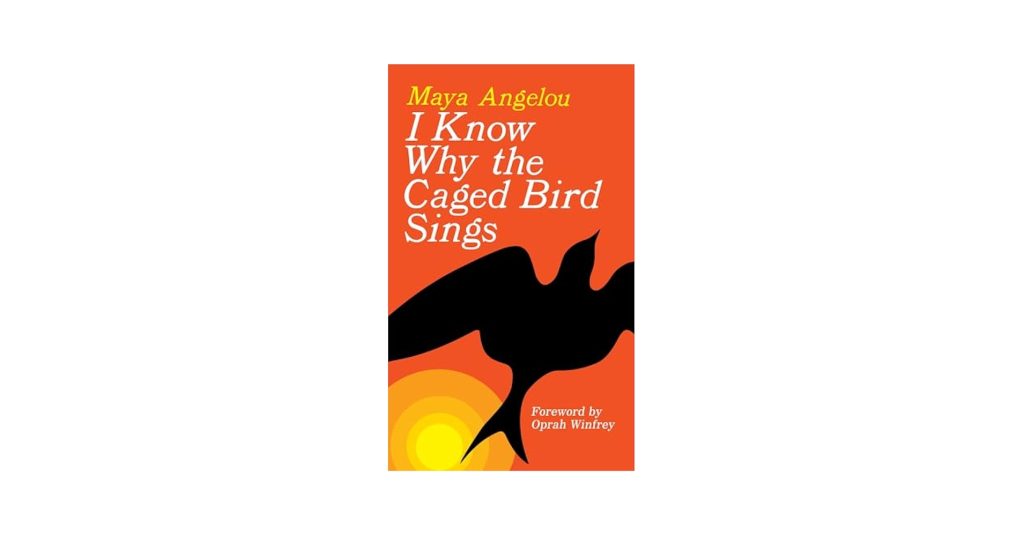
Have you ever wondered why a bird trapped in a cage still chooses to sing? It’s a question that goes beyond just birds—it speaks to something deep inside all of us.
When you think about your own challenges or feelings of being stuck, this idea might hit closer to home than you expect. You’ll discover the surprising reasons behind the caged bird’s song and what it can teach you about hope, resilience, and finding your own voice even in tough times.
Keep reading—you might find a new perspective that changes how you see your own struggles.
Symbolism Of The Caged Bird
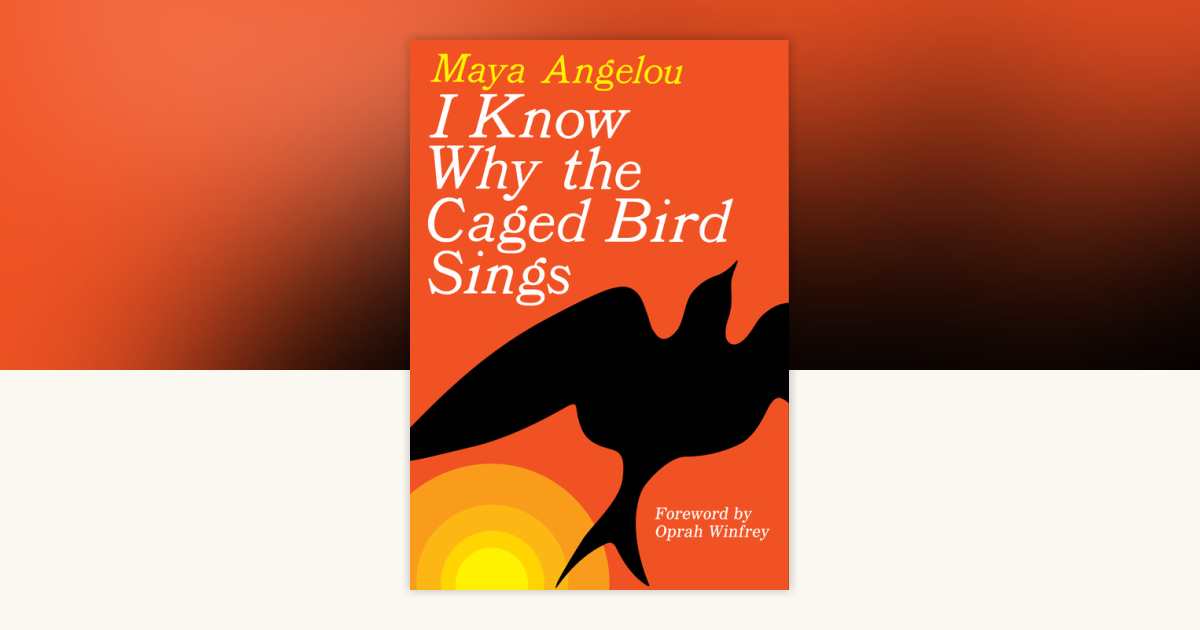
The bird in the poem is a symbol of oppression. It shows how someone feels trapped and unable to live freely. The cage represents limits placed on the bird’s life. The bird’s song is its way to express pain and hope.
The poem contrasts freedom and captivity. The free bird flies high, enjoys the sky, and sings without fear. The caged bird cannot fly or explore. Its world is small and controlled. Yet, it still sings loudly, showing its desire for freedom.
- Free Bird:Represents those with liberty and choices.
- Caged Bird:Stands for people who face limits and unfair rules.
- Bird’s Song:A voice of hope, pain, and dreams for freedom.
Credit: www.penguinrandomhouse.com
The Voice As A Symbol Of Hope
The voiceof the caged bird stands for hope. Even though the bird is trapped, it still sings. The song shows a desire to be free and happy.
Singing despite constraintsmeans using the voice to fight limits. The bird cannot fly but finds a way to express itself. This act shows courage and strength.
Expression as resistancemeans that the song is more than just sound. It is a way to say “I am here” and “I will not give up.” The singing fights silence and control.
Cultural And Historical Context
The poem reflects the struggles of African Americans during segregation and racism in the early 20th century. It uses the caged bird as a symbol of oppression and hope for freedom. Understanding this helps reveal the deeper meaning behind the poem’s powerful message.
Roots In African American Experience
The caged bird is a powerful symbol. It reflects the struggles faced by African Americans. This imagery is deeply rooted in their history. It speaks to a longing for freedom and equality. African American literature often highlights these themes. The bird’s song represents hope and resilience. Many works explore the impact of oppression. They share stories of strength and courage.
Impact On Civil Rights Literature
The caged bird metaphor influenced civil rights literature. It inspired authors to write about justice and freedom. These stories often include themes of equality and rights. They challenge social norms and racial barriers. The bird’s song is a call for change. It urges society to listen and act. The literature has played a vital role in civil rights movements.
Credit: www.ebay.com
Psychological Dimensions Of Captivity
Confinementcan deeply affect a person’s sense of self. Being trapped often leads to feelings of lossand confusion. People may struggle to understand who they really are. This can cause stressand anxiety.
Inner strengthplays a key role in dealing with captivity. It helps maintain hope and a sense of freedom inside the mind. Drawing on personal courage and resilience can protect identity from fading away. This strength acts like a shield against despair.
- Helps keep a positive outlook
- Keeps the mind active and focused
- Supports emotional stability
- Encourages self-expression even in silence
Legacy And Modern Relevance
Maya Angelou’s poem captures the struggle for freedom and hope. Its message still speaks to those facing oppression today. The poem bridges past and present through powerful emotions and resilience.
Influence On Contemporary Art And Activism
“Why Does the Caged Bird Sing”inspires many artists and activists today. Its themes of freedom, struggle, and hopestill resonate. The poem’s powerful message encourages people to speak out against injustice. It appears in music, paintings, and protests worldwide.
Many activists use the poem to express the pain of oppression. It helps them share their stories and demand change. The poem also teaches people about resiliencein tough times.
Continuing The Dialogue On Freedom
- The poem opens discussions about human rights.
- It helps people understand the value of voice and choice.
- Schools and groups use it to teach about equality.
- It inspires new works that keep the fight for freedom alive.

Credit: www.amazon.com
Frequently Asked Questions
Why Does The Caged Bird Sing Despite Its Confinement?
The caged bird sings to express hope, pain, and a desire for freedom. Singing is its way to cope.
What Is The Deeper Meaning Of “why Does The Caged Bird Sing”?
It symbolizes struggle and the fight for freedom in the face of oppression or hardship.
How Does The Caged Bird’s Song Inspire Readers?
The song shows resilience and courage, encouraging readers to keep hope alive in tough times.
Conclusion
The caged bird sings to show hope and strength. It reminds us of freedom’s true value. Even in tough times, the bird does not give up. Its song inspires courage and dreams. We all face limits, but our spirit can soar.
The story teaches us to find light inside darkness. Let the bird’s song encourage you to keep going. Freedom and hope live within every heart.