Have you ever looked up at the sky and noticed flocks of birds heading in one direction as the seasons change? You might wonder, why do birds fly south?
It’s more than just a simple trip—they’re following a powerful instinct that helps them survive and thrive. Understanding this fascinating behavior will change the way you see these winged travelers forever. Keep reading, and you’ll discover the secrets behind their incredible journey and why it matters to you.
Migration Patterns
Birds fly south to find warmer weather and more food during winter. This journey helps them survive cold months and raise their young safely. Migration follows natural cycles that guide birds to better places each year.
Seasonal Changes
Birds fly south as the weather gets colder. They need warmer places to find food and stay safe. Cold winters make food scarce. Flying south helps them survive the winter months. Many birds follow the same pattern every year. This is called migration. They use changes in daylight and temperature to know when to move.
Geographical Routes
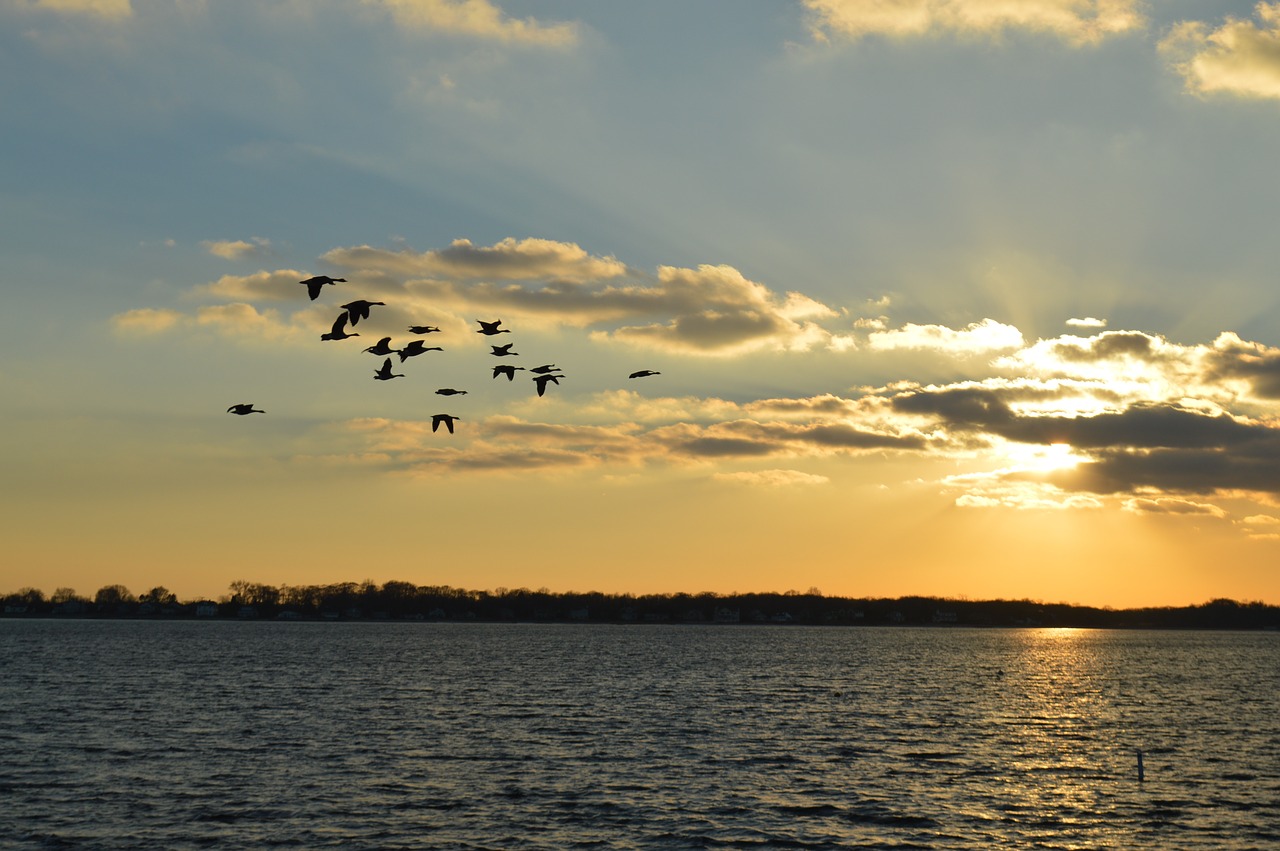
Birds travel along specific paths called flyways. These routes help them avoid dangers like mountains and oceans. Flyways have places where birds can rest and eat. Different species use different routes based on their needs. Some fly thousands of miles. Others travel only a short distance. These routes are important for their survival.
Credit: www.howitworksdaily.com
Benefits Of Flying South
Flying southhelps birds find more foodduring cold months. Many insects and plants disappear in winter. Birds need to eat to stay strong and healthy. The south offers plenty of berries, seeds, and insects.
The warmer climatein the south is easier for birds. Cold weather can be harsh and dangerous. Warm places keep birds safe from frost and snow. This helps birds save energy and survive through winter.
How Birds Navigate
Birds fly south to find warmer weather and more food during winter. Their strong sense of direction helps them travel long distances safely.
Magnetic Field Detection
Birds have a special sense. They can detect the Earth’s magnetic field. This helps them find their way. It’s like having a built-in compass. Scientists believe it’s due to special cells. These cells are in their beaks or eyes. This ability guides them on long journeys.
Sun And Star Positioning
Birds use the sun to navigate during the day. They follow its path across the sky. At night, they use stars for guidance. This skill helps them travel great distances. Birds can remember the star patterns. This helps them stay on course. Even cloudy nights don’t stop them. Their instincts and memory guide them.
Challenges During Migration
Birds face many predatorsduring migration. Hawks and falcons often attackthem mid-flight. Staying in groups helps birds protectthemselves. Some birds fly at nightto avoid enemies.
Weather can be a big problem. Strong winds can blow birds off course. Heavy rain and storms make flying hardand dangerous. Birds must rest and wait for better weather. Cold temperatures can also slowtheir journey.
Species That Migrate South
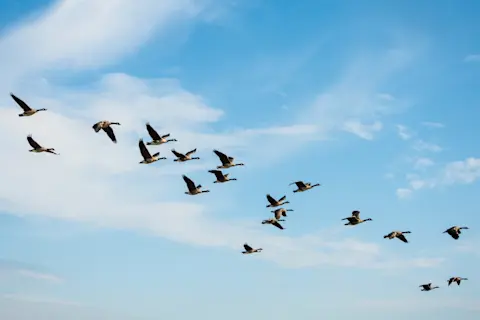
Many birds travel south to find warmer places and more food. Common migratory birdsinclude the American Robin, Canada Goose, and the Baltimore Oriole. These birds fly thousands of miles to survive cold winters.
Some birds make unique journeys. The Arctic Ternflies from the Arctic to Antarctica every year. The Swallowtravels from Europe to Africa. These long trips help them find better living conditions.
- American Robin:travels to the southern U.S. and Mexico
- Canada Goose:moves to southern U.S. states
- Baltimore Oriole:heads to Central America
- Arctic Tern:flies the longest migration, pole to pole
- Swallow:migrates from Europe to Africa

Credit: www.youtube.com
Human Impact On Migration
Birds fly south to find warmer weather and food during cold months. Human actions like cutting trees and polluting air change their routes and safety. These changes make migration harder and affect bird survival.
Habitat Loss
Many birds lose their homesbecause forests and wetlands shrink. Cities and farms take over land where birds nest and find food. Without safe places, birds must fly farther to survive. This makes migration harderand more dangerous.
Climate Change Effects
Rising temperatures change the places birds rely on during migration. Food sources like insects and plants appear earlier or later than usual. Birds may arrive too early or too late to find food. This affects their healthand chances to raise chicks.
Credit: www.discovermagazine.com
Frequently Asked Questions
Why Do Birds Fly South For The Winter?
Birds fly south to find warmer places with more food during cold winter months.
How Do Birds Know When To Migrate South?
Birds use changes in daylight and weather to know when to start flying south.
What Helps Birds Navigate During Southward Migration?
Birds use the sun, stars, and Earth’s magnetic field to find their way south.
Conclusion
Birds fly south to find warmer places and food during winter. This journey helps them survive cold weather. They follow natural signs like the sun and stars. Flying south is a smart way to stay safe and healthy. Watching birds migrate shows nature’s amazing plans.
Next time you see birds flying, remember their long, tough trip. Their migration is a simple act of survival and care. Understanding this helps us appreciate these beautiful creatures even more.