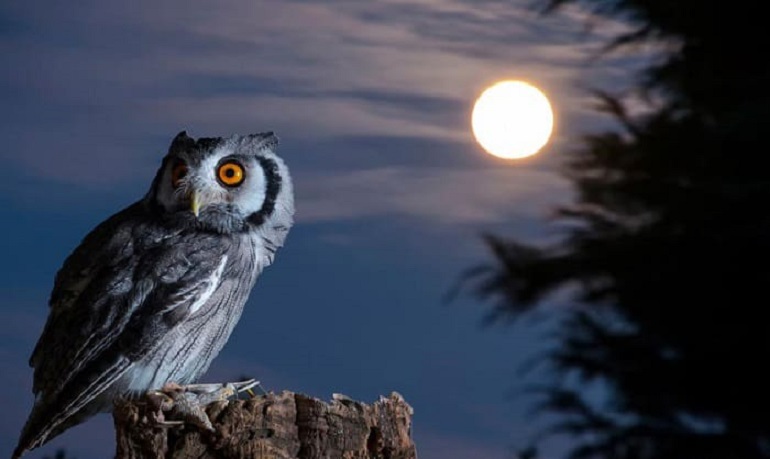
Have you ever been woken up by a bird chirping loudly in the middle of the night? It might seem strange because we usually expect birds to sing during the day.
But why does a bird chirp at night? Understanding this curious behavior can change the way you experience those late-night sounds outside your window. You’ll discover the surprising reasons behind these nighttime chirps and what they mean for the birds—and for you.
Keep reading, and you might never hear those night songs the same way again.

Credit: ttnature.com
Bird Chirping Patterns
Birds chirpto communicate with each other. Most birds chirp during the day to mark their territory or attract mates. Nighttime chirping is less common but can happen for several reasons.
Some birds are active at night. They use sounds to find others or warn about danger. Others chirp at night because of bright lightsor noise in cities. This can confuse their natural patterns.
| Bird Species | Chirping Time | Reason for Night Chirping |
|---|---|---|
| Northern Mockingbird | Day & Night | To defend territory and attract mates |
| Common Nightingale | Night | To sing and communicate in the dark |
| European Robin | Day & Night | Especially in urban areas with lights |
- Northern Mockingbirdsare known for singing day and night.
- Nightingalesprefer singing at night to find mates.
- Robinsmay chirp at night in cities with streetlights.
Reasons For Night Chirping
Birds chirp at nightfor several reasons linked to communication and survival. One key reason is territory marking. Chirping helps birds warn others to stay away from their area. It keeps their space safe and clear.
Mating callsare another important reason. Some birds sing at night to attract a mate. The quiet night makes their calls louder and easier to hear. This increases their chance to find a partner.
Birds also use chirps as alarm signals. Night sounds can warn others of danger, such as predators. This helps the group stay alert and safe.
Environmental factorslike light pollution or temperature changes can also cause birds to chirp at night. Artificial lights may confuse birds, making them think it is daytime. This can change their normal behavior.
Influence Of Artificial Light
Artificial lightaffects bird behavior at night. Birds use natural light cues to know when to rest. Bright lights can confuse them, causing them to sing or chirp at night. This disturbance can change their sleep patterns and stress levels.
Urban birds often face more artificial light than rural birds. This difference leads to changes in their chirping habits. Urban birds may chirp more at night because of streetlights and building lights. Rural birds, with less light pollution, usually follow natural day-night rhythms.
| Aspect | Urban Birds | Rural Birds |
|---|---|---|
| Light Exposure | High artificial light | Low artificial light |
| Chirping at Night | More frequent | Less frequent |
| Sleep Patterns | Disrupted | Natural |
Credit: www.purplegarden.co
Species Known For Night Chirping
Owlsare famous for their night chirping. They use sounds to communicate and hunt in the dark. Their calls can be loud and clear, helping them find mates or mark their territory.
Other night birdslike nightjars and whip-poor-wills also chirp at night. Their calls help them stay in touch with others and avoid predators.
- Songbirdslike mockingbirds and thrushes sometimes sing at night.
- They may chirp to defend their space or attract mates.
- City lights can make songbirds active even after sunset.
How Weather Affects Night Chirping
Temperatureaffects bird chirping at night. Birds are more active in warm temperatures. When it is cold, birds chirp less to save energy. Humidityalso plays a role. High humidity can make the air feel warmer, encouraging more chirping. Low humidity might slow birds down.
Seasonal changeschange bird behavior. In spring and summer, birds chirp more at night to find mates. Nights are warmer, so they stay active longer. In fall and winter, chirping drops. The cold weather and shorter nights make birds quiet.
| Weather Factor | Effect on Night Chirping |
|---|---|
| Warm Temperature | Increases chirping activity |
| Cold Temperature | Reduces chirping to save energy |
| High Humidity | Encourages more chirping |
| Low Humidity | Decreases chirping |
| Spring/Summer | More night chirping for mating |
| Fall/Winter | Less night chirping due to cold |
Bird Chirping And Human Interaction
Birds chirp at night and it can be annoying. The sounds can keep people awake. Sleep is important for health. Noise pollution is not just from cars and factories. Birds also add to the noise. Some people may find it calming, but others don’t. Understanding the reasons can help manage it. This helps in reducing stress and sleep issues.
- Close windows to block noise.
- Use earplugs for a quiet night.
- Install soundproof curtains.
- Play soft music to drown out chirping.
- Create a peaceful sleep environment.

Credit: mysticsclarity.com
Frequently Asked Questions
Why Do Some Birds Chirp Only At Night?
Some birds chirp at night to communicate, mark territory, or attract mates when it is quiet.
Which Birds Are Known To Chirp During Nighttime?
Owls, nightingales, and some species of mockingbirds often chirp or sing during the night.
Does Artificial Light Affect Birds Chirping At Night?
Yes, artificial light can confuse birds, making them sing at unusual times like during the night.
Conclusion
Birds chirp at night for many reasons. Some want to find a mate or mark their space. Others feel safe and sing to communicate. Night sounds can also help birds avoid daytime noise. Understanding this helps us appreciate nature’s quiet moments.
Next time you hear a bird at night, remember it has a purpose. Listening closely connects us to the natural world around us.