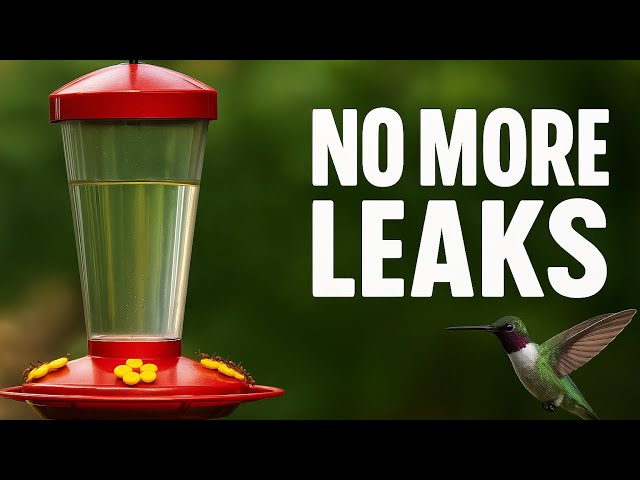
Have you ever noticed your hummingbird feeder leaking and wondered why it keeps happening? It’s frustrating to see your beautiful feeder dripping everywhere, wasting nectar, and attracting unwanted ants or bees.
You want to enjoy watching those tiny, colorful birds without the mess or hassle. Understanding why your hummingbird feeder leaks is the first step to fixing the problem and keeping your backyard clean and inviting. You’ll discover the common causes of leaks and easy solutions that will help you protect your feeder and keep those hummingbirds coming back for more.
Keep reading to find out how to stop the leaks and enjoy your feeder stress-free!

Credit: www.facebook.com
Common Causes Of Leaking
Cracks and damagein the feeder body cause leaks. Tiny holes let nectar drip out slowly. Check the feeder for any visible breaks or weak spots. Even small cracks matter.
Improper assemblyoften leads to leaks. Parts not fitting well cause gaps where nectar escapes. Make sure all pieces click or screw tightly together. Loose parts mean leaks.
Worn sealslose their grip over time. Rubber or silicone seals dry out and crack. This lets nectar leak through the seams. Replace old seals regularly to keep feeders tight.
Overfilling the feederincreases pressure inside. Nectar can spill out of feeding ports or seams. Fill only to the recommended level. Less pressure, fewer leaks.

Credit: www.facebook.com
Choosing The Right Feeder Material
Choosing feeder material affects leakage issues in hummingbird feeders. Plastic feeders often crack or warp, causing leaks. Glass feeders resist damage and seal better, preventing spills and keeping nectar fresh.
Glass Vs. Plastic Feeders
Glass feedersare less likely to leak because they are solid and heavy. They do not warp or crack easily. Glass is easy to clean and does not hold odors.
Plastic feedersare lighter and cheaper but may crack or warp in the sun. This can cause leaks. Some plastics may stain or smell over time, which can harm hummingbirds.
Durability Factors
- Glass feeders last longer and stay strong.
- Plastic feeders can break from heat or cold.
- Check seals and joints to prevent leaks.
- Thicker materials resist damage better.
- Regular cleaning helps maintain feeder condition.
Proper Setup And Placement
Ensure your hummingbird feeder is placed on a level surface. A tilted feeder can cause leaks. Use a spirit levelto check. Adjust the base until it’s flat. This keeps the nectar in and prevents spills. Avoid surfaces that slopeor have bumps. Consider using a small platformor tray to level uneven areas. A stable feeder attracts more hummingbirds.
Wind can sway feeders and cause leaks. Choose a spot sheltered from wind. Near a wall or under a tree works well. Avoid open areas where wind is strong. Look for a place with less gusts. This helps keep your feeder steady. A calm spot means happy hummingbirdsand less mess.
Simple Repairs For Leaks
Sealantscan stop leaks around joints and cracks. Use a silicone-based sealantfor a tight, waterproof fix. Clean the area first and let the sealant dry completely before refilling the feeder. This method works best for small leaks.
Sometimes, replacing partslike gaskets, tubes, or caps is needed. Old or damaged parts cause leaks that sealants can’t fix. Check your feeder’s model for exact replacements. Using original parts helps keep your feeder working well.
- Temporary fixesinclude wrapping tape around leaks. Use waterproof tape to slow dripping until you get new parts.
- Try tightening loose parts to stop small leaks quickly.
- Keep feeders clean to prevent clogs that cause leaks.
Maintenance To Prevent Future Leaks
Clean hummingbird feeders often to stop mold and sticky sugar build-up. Use warm water and a soft brush to reach all holes and corners. Avoid strong soaps that might harm birds.
Check feeders for cracks or worn parts regularly. Small damage can cause leaks and waste nectar. Replace any broken parts quickly to keep feeders safe and dry.
| Season | Storage Tips |
|---|---|
| Winter | Empty feeders, wash well, and dry completely before storing. |
| Spring | Inspect feeders for damage and clean before reuse. |

Credit: www.facebook.com
Frequently Asked Questions
Why Does My Hummingbird Feeder Leak Nectar?
Leaking often happens because the feeder parts are loose or the seals are worn out. Check for cracks or damage too.
Can Temperature Cause Hummingbird Feeders To Leak?
Yes, heat can expand plastic and cause gaps, making nectar drip from the feeder.
How Can I Stop My Hummingbird Feeder From Leaking?
Clean the feeder regularly and tighten all parts. Use feeders designed with good seals to prevent leaks.
Conclusion
Leaking hummingbird feeders can frustrate any bird lover. Small cracks or dirt often cause leaks. Tightening parts and cleaning regularly help stop dripping. Using the right nectar mix also keeps feeders sealed. Watch your feeder closely after fixes. Keeping it leak-free means happy hummingbirds and less mess.
Enjoy watching these tiny birds without worry. Simple care goes a long way. Your efforts bring more color and life to your garden.