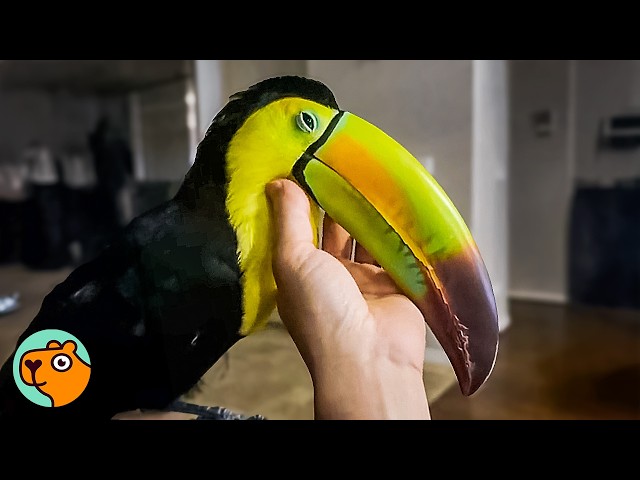
Have you ever seen a bird with a brightly colored, oversized beak that looks almost too amazing to be real? That’s a toucan, one of nature’s most fascinating creatures.
If you’ve ever wondered what makes a toucan bird so special, you’re about to discover some surprising facts that will change the way you see these vibrant birds forever. Keep reading, and you’ll learn why toucans aren’t just beautiful—they play a unique role in their environment that might just blow your mind.
Your curiosity about toucans is about to pay off in a big way!

Credit: costa-rica.com
Toucan Bird Features
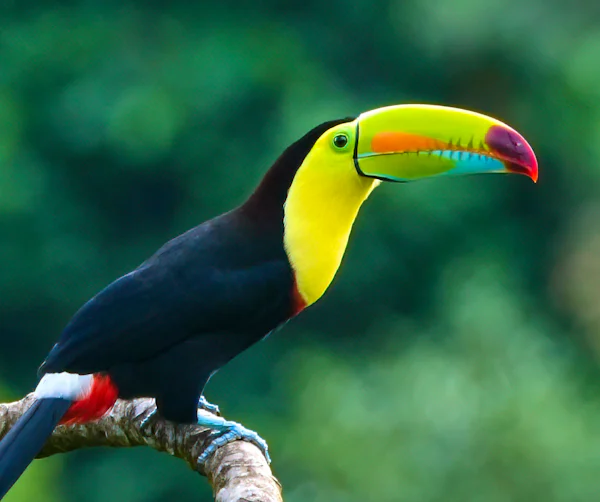
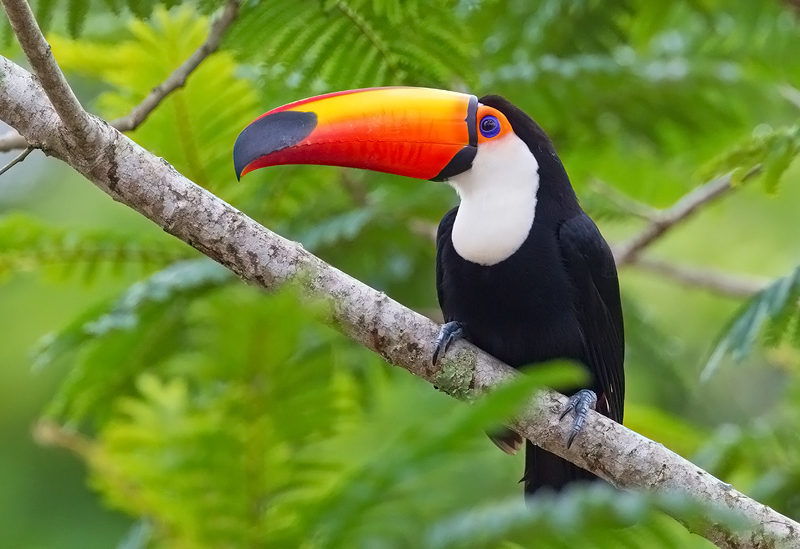
The toucan’s beakis its most famous feature. It is very large compared to its body size. The beak can be up to one-third of the bird’s total length. Despite its size, the beak is light because it is made of a hollow, strong material called keratin. The beak helps toucans reach fruit on branches that are hard to get to. It also helps them cool down by releasing heat.
Toucans have bright and colorful feathers. Their plumage usually has shades of green, yellow, orange, and blue. This colorful look helps them blend into the tropical forest. It also makes them easy to spot in the wild. Each toucan species has unique color patterns on their feathers.
Habitat And Range
Toucans live mainly in tropical rainforests of Central and South America. They prefer dense trees where they find food and shelter. These birds often stay in warm, humid areas with plenty of fruit and insects.
Tropical Rainforests
Toucan birdslive mostly in tropical rainforests. These forests are warm and wet. They have many tall trees where toucans build nests. The thick trees give toucans food and shelter. Toucans use their large beaks to reach fruits on high branches. They also eat insects and small animals in the forest.
Geographical Distribution
Toucans are found in many parts of Central and South America. They live from southern Mexico to northern Argentina. Most toucans stay in rainforests with plenty of trees. Some species live in lowland forests, others in mountain forests. Their range depends on food and climate needs.
Diet And Feeding Habits
Toucans eat mostly fruits. They like many types of fruits. Brightly colored fruits are their favorites. These birds use their big beaks to reach fruits on branches.
Besides fruits, toucans eat insectssometimes. These insects give extra protein. Toucans catch insects by hopping on tree trunks or leaves.
- Favorite fruits include: figs, berries, and papayas.
- Fruits provide energy and water.
- Insects help with protein needs.
- Toucans may also eat small eggs or lizards occasionally.
Behavior And Social Life
Toucans live in small groups and use loud calls to talk to each other. They enjoy social time and often share food within their group. Their bright colors help them recognize friends and stay safe in the forest.
Communication Methods
Toucans use sounds and visuals to communicate. They have loud calls that travel far. Their calls warn of danger or call others. Toucans also use body movements. They move their beaks and feathers to show feelings. Their colorful beaks help in communication. The bright colors can show strength or help in mating. Toucans are very social birds. They live in groups and share food and space.
Flocking Behavior
Toucans love company. They often stay in small groups. These groups help them find food and stay safe. Toucans trust their flock. Together, they explore and enjoy their habitat. They fly from tree to tree, searching for fruits. In groups, they have fun and play with each other. Flocking helps toucans survive in the wild. They protect each other from predators.
Reproduction And Lifespan
Toucans lay eggs in tree holes, and both parents help care for the young. These birds usually live around 15 to 20 years in the wild. Their lifespan varies with habitat and safety from predators.
Nesting Habits
Toucan birds build nests in tree holes. These holes are often old woodpecker nests or natural cavities. Both parents share the work of keeping the nest clean and safe. They lay about 2 to 4 eggs at a time. The eggs are white and smooth. The nest is dark inside, so toucan parents rely on touch more than sight to care for the eggs.
Chick Development
Chicks hatch after about 16 to 20 days. They are born blind and without feathers. Parents feed them by regurgitating food. The chicks grow feathers in about three weeks. They stay in the nest for about 6 to 8 weeks before flying out. Young toucans learn to fly and find food by watching their parents.
Credit: www.bijaguawildlife.com
Conservation Status
Toucans face many threatsthat put their survival at risk. Their homes in the forest are being cut down. This loss of habitat makes it hard for toucans to find food and safe places to live. Hunting also affects their numbers in some areas. People sometimes catch them for pets or feathers.
Efforts to protect toucans focus on saving their forest homes. Parks and reserves help keep areas safe for birds. Some groups work with local people to stop hunting and protect nature. Educating others about toucans helps people care more about these colorful birds.
Credit: turok-lord-of-the-jungle.fandom.com
Frequently Asked Questions
What Does A Toucan Bird Look Like?
Toucans have large, colorful beaks and bright feathers. Their beak helps them eat fruit and reach food.
Where Do Toucan Birds Live In The Wild?
Toucans live in tropical rainforests of Central and South America. They prefer warm, humid forests.
What Do Toucan Birds Eat Daily?
Toucans mainly eat fruit but also insects and small animals. Their diet helps spread seeds in forests.
Conclusion
Toucans are colorful birds with large, bright beaks. They live mostly in tropical forests. Their beaks help them eat fruit and catch insects. Toucans also use their colors to talk to each other. These birds play an important role in their environment.
Learning about toucans shows how nature works in many ways. Their unique look makes them easy to recognize. Watching toucans can be fun and interesting. These birds remind us to protect wildlife and forests. Toucans are truly special creatures worth knowing about.