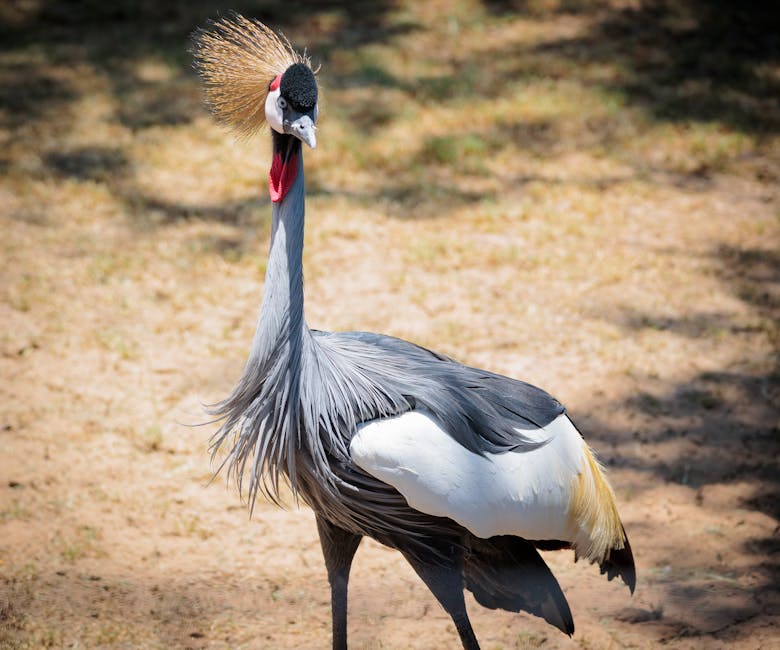
Have you ever wondered what bird represents the spirit of Arizona? Knowing the state bird isn’t just a fun fact—it connects you to the natural beauty and unique charm of this incredible place.
Whether you’re a local, a visitor, or simply curious, discovering Arizona’s state bird can give you a fresh perspective on its wildlife and culture. Keep reading, and you’ll find out which feathered friend holds this special title—and why it’s so important to the people and landscape of Arizona.
Arizona’s Official Bird
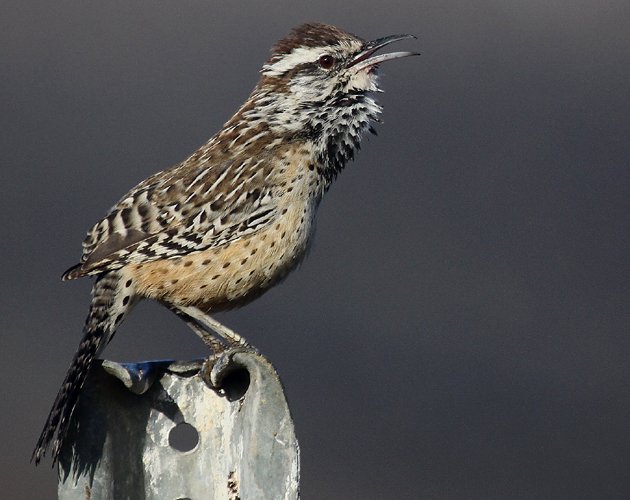
The official state bird of Arizona is the Cactus Wren. It was chosen in 1931 for its strong ties to the desert environment. This bird is known for its loud, clear calls and unique appearance. It has a brown body with white spots and a long, curved beak. The Cactus Wren often nests in cactus plants, which helps protect it from predators.
It is a symbol of survival and adaptability in the harsh desert climate. The bird’s ability to thrive in dry, hot areas makes it special to Arizona. Its presence is common in many parts of the state, making it easy to spot for bird watchers and nature lovers.
History Of The State Bird
The Cactus Wrenbecame Arizona’s state bird in 1931. This bird is well-known for its loud and bubbly song. It lives mainly in the desert areas of Arizona.
People chose the Cactus Wren because it is tough and can live in harsh places. It builds nests inside cactus plants, which helps protect it from predators. This bird shows how animals adapt to dry and hot environments.
The Cactus Wren is also a symbol of the state’s wild beauty and spirit. Many Arizonans feel proud of this bird because it is unique to their land.
Physical Features
The state bird of Arizona is the Cactus Wren. It has a medium sizewith a length of about 7 to 8 inches. Its body is covered with brown, white, and black feathers, which help it blend into desert surroundings.
The long, curved billis perfect for catching insects. Its white eyebrow stripeis very noticeable and helps identify the bird. The wings and tail have spotted patterns, giving it a unique look.
The Cactus Wren has strong legs and feet to move quickly on the ground. It often perches on cacti and thorny bushes. Its tail is usually held upright, showing its lively nature.
Habitat And Range
The state bird of Arizona is the Cactus Wren. It lives mostly in dry, desert areas. You can find it around cacti, bushes, and rocky places. This bird builds its nests in cactus plants to stay safe from predators and heat.
The Cactus Wren is common in Arizona’s Sonoran Desert. It also lives in parts of southern California, Nevada, and Mexico. This bird does not like cold or wet places.
It can live in hot weather and needs little water. The Cactus Wren searches for insects and small bugs on the ground or in bushes.
Behavior And Diet
The Cactus Wren is the state bird of Arizona. It is known for its curious behavior and strong survival skills. This bird is active and often seen hopping around cacti and shrubs. Cactus Wrens are social and enjoy living in pairs or small groups. They communicate through distinctive calls and sounds.
These birds have a unique diet. They eat insects like ants, beetles, and grasshoppers. Cactus Wrens also enjoy fruits and seeds. Sometimes, they sip nectar from flowers. They are resourceful and find food easily in their desert habitat.

Credit: www.facebook.com
Cultural Significance
The Arizona state bird is the Cactus Wren. It is well-loved by many people in Arizona. This bird lives in the hot deserts and rocky areas. It is known for its loud and clear songs. The Cactus Wren builds nests in cactus plants. This helps it stay safe from predators.
The bird shows strengthand adaptability. It fits well with Arizona’s tough and dry environment. People see it as a symbol of survival and resilience. The Cactus Wren also appears in stories and art. It helps connect people with nature and their home.
Conservation Status
The state bird of Arizona, the Cactus Wren, is not endangered. It lives well in desert areas. Its population is stable and common across the state.
Threats to the Cactus Wren include habitat loss and climate changes. Conservation efforts focus on protecting desert habitats. People also work to reduce pollution and human disturbance.
- Stable population:The bird is not at risk now.
- Habitat protection:Desert areas are preserved for their homes.
- Human impact:Reducing pollution helps keep their environment safe.
By caring for nature, the Cactus Wren can continue to thrive in Arizona. It is a symbol of the desert’s unique wildlife.

Credit: www.facebook.com
Credit: www.10000birds.com
Frequently Asked Questions
What Is Arizona’s Official State Bird?
Arizona’s state bird is the Cactus Wren. It was designated in 1931. This bird is known for its loud, distinctive calls and adaptability to desert life.
Why Is The Cactus Wren Arizona’s State Bird?
The Cactus Wren represents Arizona’s desert environment well. It thrives in arid areas and builds nests in cactus plants, symbolizing resilience in harsh conditions.
Where Can I See The Cactus Wren In Arizona?
You can spot the Cactus Wren in desert regions, especially among cacti. Popular places include the Sonoran Desert and local nature reserves throughout Arizona.
How Does The Cactus Wren Survive Arizona’s Climate?
The Cactus Wren survives by nesting in thorny cacti for protection. It can endure high temperatures and finds food like insects and seeds in the desert.
Conclusion
The Cactus Wren is Arizona’s proud state bird. It lives in deserts and loves cactus plants. This bird’s loud, clear song brightens dry, hot days. It shows how nature thrives in tough places. Knowing the state bird helps us appreciate Arizona’s unique wildlife.
Next time you visit, listen for its cheerful calls. Simple, yet special. The Cactus Wren truly represents Arizona’s spirit.