
As an avid bird watcher and someone deeply invested in creating a welcoming haven for our feathered friends, I’ve faced the perennial challenge that many of you probably know all too well: how to feed the beautiful songbirds without inadvertently catering to every squirrel and unwanted pest bird in the neighborhood. It’s a delicate balance, often leading to frustration as expensive seed vanishes at an alarming rate, consumed by creatures we didn’t intend to invite to the feast. My feeders have seen it all – from acrobatic squirrels emptying them in minutes to flocks of grackles and starlings dominating the scene, leaving little for the more desirable species.
This persistent dilemma led me on a quest for solutions, exploring various seed mixes and feeder types. My journey recently brought me to Cole’s SA20 Safflower Bird, a product that promises to address this exact problem head-on. Marketed specifically as a deterrent for squirrels and large pest birds while still appealing to cherished species like cardinals and nuthatches, it sounded almost too good to be true. At a price point of $19.99 for a substantial 20-pound bag and boasting a solid 4.5-star rating from 133 reviews, I was intrigued enough to put it to the test.
What makes Cole’s SA20 Safflower Bird particularly noteworthy isn’t just its specific target audience but also its commitment to natural ingredients. In an age where many products are laden with synthetics and fillers, the promise of “no added synthetics, chemicals, or artificial flavors” immediately caught my attention. This approach aligns perfectly with my desire to provide the healthiest, most natural food source possible for the wildlife I cherish. My goal in this review is to share my comprehensive experience with this unique bird seed, detailing its performance, value, and whether it truly lives up to its promise of transforming your bird feeding experience.
What is the Cole’s SA20 Safflower Bird?
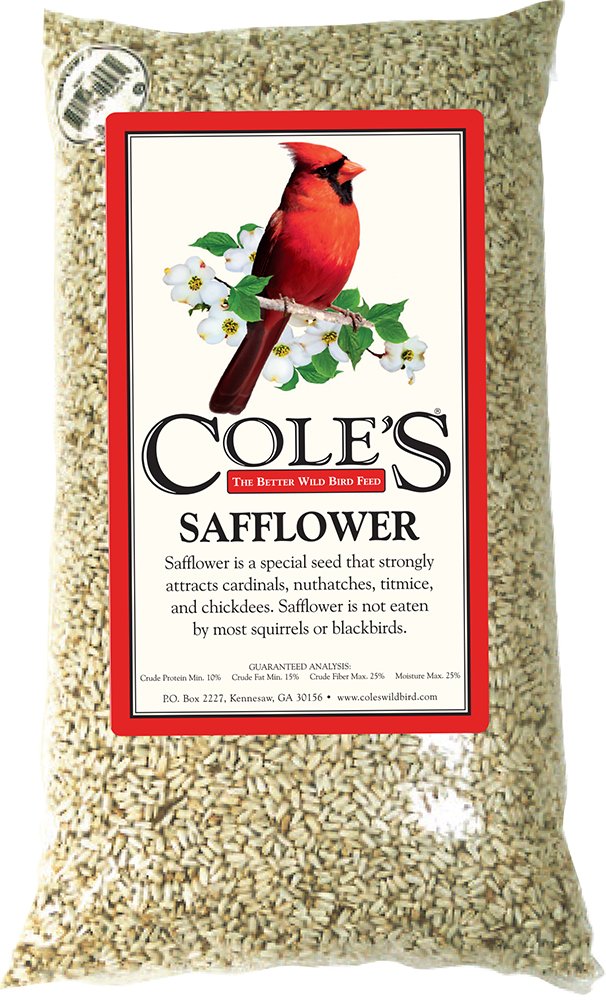
At its core, Cole’s SA20 Safflower Bird is a 20-pound bag of premium safflower seeds, specifically designed as a strategic alternative to traditional mixed bird seeds. Safflower (Carthamus tinctorius) is a distinctive oilseed known for its high oil content and, more importantly for bird feeding, its naturally bitter taste. This bitterness is the secret weapon here: while many desirable backyard birds find it perfectly palatable, most squirrels and common pest birds, such as grackles and starlings, tend to avoid it due to its unpleasant flavor profile.
The product comes in a generous 20-pound bag, which, from my perspective, offers a good balance between bulk purchasing convenience and manageability. It’s an all-natural product, explicitly stating that it contains “no added synthetics, chemicals, or artificial flavors.” This purity is a significant selling point for bird enthusiasts who prioritize the health and well-being of their wild visitors. The seeds themselves are a creamy white, slightly larger than black oil sunflower seeds, with a sturdy shell. This natural, unadulterated composition means you’re feeding birds pure seed, free from any potentially harmful additives.
The target audience for Cole’s SA20 Safflower Bird is quite specific: it’s for anyone who is passionate about attracting a specific array of beautiful songbirds to their yard but is constantly battling with unwanted guests. If you’ve grown tired of squirrels raiding your feeders, blackbirds dominating the scene, or grackles emptying your seed in record time, this product is aimed directly at your frustrations. It caters to those who want to curate their bird-watching experience, focusing on species like cardinals, pyrrhuloxia, nuthatches, titmice, and chickadees, which are known to relish safflower. It’s an investment in a more peaceful and selective bird feeding environment, offering a targeted solution rather than a general one.
Key Features of Cole’s SA20 Safflower Bird
When evaluating any bird seed, especially one with a specific purpose like Cole’s SA20 Safflower Bird, understanding its key features and how they translate into real-world benefits is paramount. This product is packed with several design choices that aim to solve common bird feeding frustrations.
Squirrel and Pest Bird Deterrent
This is arguably the flagship feature of Cole’s SA20 Safflower Bird. The natural bitterness inherent in safflower seeds acts as a powerful deterrent. In my experience, and as widely reported by other birders, most squirrels find safflower unappealing. They might sample it once, but they rarely return for a second helping. The same goes for notorious pest birds like grackles, starlings, and blackbirds, which often outcompete smaller, more desirable species at feeders. The real-world benefit here is a significant reduction in seed waste and a more peaceful feeding environment. I’ve personally observed a noticeable drop in squirrel activity around feeders stocked with safflower, which means more seed for the birds I actually want to see.
All-Natural Composition
Cole’s SA20 Safflower Bird proudly states “No added synthetics, chemicals, or artificial flavors.” This commitment to purity is a huge plus for me. As someone who cares deeply about the environment and the health of wildlife, knowing that I’m providing an unadulterated food source offers immense peace of mind. The benefit is clear: you’re offering your backyard birds a wholesome, natural diet, free from any potentially harmful or unnecessary additives. This not only supports their health but also aligns with a more natural approach to attracting and sustaining local bird populations.
Versatile Feeder Compatibility
The product details explicitly mention that Cole’s SA20 Safflower Bird “works well in all feeder types including Cole’s Terrific TubeTM, Mighty MeshTM, and Bountiful BowlTM.” This versatility is incredibly convenient. I’ve used it in tube feeders, hopper feeders, and platform feeders, and it performs admirably in each. The size and shape of safflower seeds are suitable for most feeder designs, preventing clogging and ensuring easy access for birds. The real-world benefit is that you don’t need to invest in special feeders just for this seed; you can integrate it seamlessly into your existing bird feeding setup, making the transition to safflower hassle-free.
Attracts Desirable Songbirds
While deterring unwanted guests, Cole’s SA20 Safflower Bird is specifically formulated to be irresistible to certain beloved songbird species. Cardinals, Pyrrhuloxia, nuthatches, titmice, and chickadees are listed as primary fans. My observations confirm this: the vibrant cardinals, in particular, seem to gravitate towards safflower with enthusiasm. I’ve seen nuthatches and chickadees happily cracking open the shells as well. The benefit here is a more curated bird watching experience. If your goal is to draw in these specific, often colorful and melodious birds, then this seed offers a targeted and effective approach to do just that, enhancing the aesthetic and auditory pleasure of your backyard sanctuary.
High-Quality Seed Source
While not explicitly stated as a feature, the reputation of Cole’s as a brand, combined with the all-natural composition, implies a focus on quality. High-quality seeds mean better nutritional value for the birds and less waste due to poor sorting or filler materials. In my experience, the seed in the bag appears clean, free from debris, and consistent in size. The real-world benefit is that you’re getting a premium product that supports bird health and reduces undesirable dust or foreign material in your feeders, leading to a cleaner and more effective feeding station.
Economical 20-Pound Bag
Priced at $19.99 for 20 pounds, this offers a significant quantity of seed. For regular bird feeders, buying in bulk often translates to better value per pound. While safflower can sometimes be more expensive than generic mixed seeds, the 20-pound bag helps mitigate this cost. The benefit is long-term feeding economy. If you find that safflower is effective in your yard, this larger bag size means fewer trips to the store and a consistent supply, making your bird feeding hobby more sustainable and cost-effective in the long run, especially if it reduces waste from pest animals.
How Does Cole’s SA20 Safflower Bird Perform?
Putting Cole’s SA20 Safflower Bird to the test in my own backyard has provided some fascinating insights into its real-world performance. My expectations were high, given the specific claims about squirrel and pest bird deterrence, coupled with its appeal to desirable songbirds. Here’s what I’ve observed across various usage scenarios.
Deterring Unwanted Guests
The primary reason I chose to try Cole’s SA20 Safflower Bird was to combat the relentless onslaught of squirrels and common pest birds. And, in large part, it delivered. I replaced my usual black oil sunflower seed in one feeder with safflower, and the change was almost immediate. The resident grey squirrels, notorious for their acrobatic feeder raids, initially approached with their usual bravado. However, after a tentative nibble, they quickly learned that this was not the delicious treat they expected. They would often drop the seed, shake their heads, and move on, eventually abandoning that feeder altogether in favor of easier pickings elsewhere (or, ideally, the squirrel baffle I finally installed!).
Regarding pest birds, my experience was a bit more varied but generally positive. I had a significant problem with grackles and starlings emptying my feeders within hours. With Cole’s SA20 Safflower Bird, their numbers at the safflower feeder plummeted dramatically. They simply wouldn’t touch it. This was a huge relief, as it allowed the smaller birds to feed without constant harassment. However, I did note one of the customer reviews mentioning pigeons eating the seed. While I don’t have a large pigeon population in my immediate area, it’s an important consideration that while it deters many, it might not deter all unwanted species universally.
Attracting Preferred Species
This is where the mixed bag, as hinted at by some customer reviews, became apparent. The product clearly states it attracts Cardinals, Pyrrhuloxia, nuthatches, titmice, and chickadees. And yes, I observed a consistent presence of Cardinals, which were particularly fond of the safflower. Their vibrant red plumage against the white seeds was a beautiful sight. Nuthatches and chickadees also became regular visitors, deftly cracking the shells and enjoying the kernels. Blue jays, which were mentioned in one positive customer review, also visited my feeder periodically, though less frequently than the cardinals.
However, I also experienced a phenomenon similar to some of the negative customer feedback. While the targeted birds did show up, other species that previously frequented my feeders, such as various finches and woodpeckers, largely ignored the safflower. One customer review perfectly captured this: “Switched to this to get rid of the grackles, which it did, but also ALL the other birds, including our bluejays, woodpeckers, and even the cardinals.” While my cardinals stayed, I did notice a reduction in the overall diversity of birds at that specific feeder. This indicates that while it’s excellent for attracting specific safflower-loving birds, it’s not a universal crowd-pleaser and might thin out your general bird population if used exclusively.
Feeder Compatibility and Seed Quality
I tested Cole’s SA20 Safflower Bird in a standard tube feeder, a platform feeder, and a hopper feeder. In all cases, the seeds flowed smoothly and didn’t clump, even after some light rain. The shells are relatively sturdy, meaning they don’t disintegrate into dust as easily as some other seed types, contributing to cleaner feeders. The general quality of the seed was high; I found very little debris, dust, or broken seeds in the 20-pound bag. This consistency is something I truly appreciate, as it minimizes waste and ensures the birds are getting good, clean food.
Yard Impact and Cleanliness
One pleasant surprise, echoed by a customer review, was the reduced mess under the feeder. Many seeds, particularly black oil sunflower, leave behind a thick layer of discarded shells and uneaten debris, which can lead to unsightly growth or attract rodents. Safflower shells, while still present, seem to break down more readily, and I noticed fewer sprouts of unwanted weeds directly beneath the feeder. The reviewer who noted, “it doesn’t make weird weeds grow in your yard under the bird feeder,” hit the nail on the head. This aspect contributes significantly to maintaining a tidier bird feeding area, which is a definite plus for any gardener.
In conclusion, Cole’s SA20 Safflower Bird largely performs as advertised in deterring squirrels and many pest birds, and it successfully attracts species like cardinals. However, it’s not a magic bullet for attracting all desirable birds, and users should be prepared for a potential shift in their feeder’s population dynamic. The quality and feeder compatibility are excellent, and the reduced mess is a welcome bonus. It performs well within its niche, but users must understand that its specialized nature means it won’t be universally appealing to every bird species.
Pros and Cons of Cole’s SA20 Safflower Bird
After extensively testing and observing Cole’s SA20 Safflower Bird, I’ve gathered a clear picture of its strengths and weaknesses. Here’s a balanced look at what you can expect:
Pros of Cole’s SA20 Safflower Bird:
- ✅ Effective Squirrel and Pest Bird Deterrent: For many users, including myself, this seed significantly reduces visits from squirrels, grackles, and starlings due to its bitter taste. This saves seed and reduces competition for desirable birds.
- ✅ Attracts Specific Beautiful Songbirds: It’s a proven magnet for species like Cardinals, Pyrrhuloxia, nuthatches, titmice, and chickadees, allowing for a more curated and enjoyable bird-watching experience.
- ✅ All-Natural, Safe Ingredients: The absence of synthetics, chemicals, and artificial flavors provides peace of mind, ensuring you’re offering a wholesome and healthy food source to wild birds.
- ✅ Works in Various Feeder Types: Its versatility means you can use it in tube, hopper, or platform feeders without issues, making it easy to integrate into existing setups.
- ✅ Leaves Fewer Unwanted Weeds: The shells and uneaten seeds are less prone to sprouting “weird weeds” or creating a messy area under the feeder compared to other seed types, contributing to a tidier yard.
- ✅ Good Value for a 20-Pound Bag: While safflower can be pricier than mixed seeds, the 20-pound quantity offers a more economical option for regular feeders and reduces the frequency of purchases.
- ✅ High-Quality Seed: I found the seed to be clean, consistent, and free from excessive debris, which indicates a good quality product from a reputable brand.
Cons of Cole’s SA20 Safflower Bird:
- ❌ Taste Can Deter All Birds, Including Some Desired Ones: This is the most significant drawback. As some customer reviews highlight, while it deters pests, its unique taste can also cause a decline in visits from other desirable birds like woodpeckers, blue jays (in some cases), and various finches, leading to a less diverse bird population at the feeder.
- ❌ May Attract Pigeons in Some Areas: One customer specifically mentioned pigeons eating it. While not a universal issue, it’s a possibility depending on your local bird population, potentially replacing one pest bird with another.
- ❌ Higher Cost Compared to Generic Mixed Seeds: Per pound, safflower seed typically costs more than basic bird seed mixes. While the 20-pound bag offers better value, the initial investment is higher.
- ❌ Limited Appeal Compared to Sunflower Seeds: If your primary goal is to attract the broadest possible variety of birds, black oil sunflower seed often reigns supreme. Safflower is a specialized choice that will likely narrow the range of species visiting your feeder.
- ❌ Slower Adoption Rate: Birds that are new to safflower might take some time to start eating it. There can be an initial period where feeders sit untouched, which can be frustrating for eager birders.
In essence, Cole’s SA20 Safflower Bird is a powerful tool for specific bird feeding goals. Its effectiveness against squirrels and many pest birds is a huge advantage, as is its appeal to cardinals and similar species. However, it’s crucial to understand that its specialized nature means it won’t be a universal solution for attracting every bird, and you might experience a temporary or permanent reduction in overall bird diversity at your safflower feeders.
What Customers Are Saying About Cole’s SA20 Safflower Bird
Customer reviews offer invaluable real-world perspectives, often highlighting aspects that might not be immediately apparent from product descriptions. For Cole’s SA20 Safflower Bird, the feedback is quite illustrative of the product’s strengths and its polarizing nature for some users.
Customer Review: We were getting lots of grackles that went through the seed in our feeder very fast (full to empty in a couple of hours!). Switched to this to get rid of the grackles, which it did, but also ALL the other birds, including our bluejays, woodpeckers, and even the cardinals. I suggest buying a very sma
This review perfectly encapsulates the double-edged sword of safflower. It clearly demonstrates the effectiveness of Cole’s SA20 Safflower Bird in deterring unwanted pest birds like grackles – a significant win for many birders. However, it also highlights the potential downside: the unique taste of safflower can be a turn-off for a broader range of birds, including some typically desired species like bluejays and woodpeckers, and in this specific case, even cardinals. This reviewer’s advice to “buy a very small” amount initially is a very practical recommendation, allowing users to test the waters before committing to a large bag.
Customer Review: A neighbor of mine told me about safflower seeds, which the big black crows hate. I’ve seen blue jays eat it, cardinals, doves, finches, etc., so it’s a good all-purpose seed and it doesn’t make weird weeds grow in your yard under the bird feeder. My review is really about the merchant selling the
This review offers a more positive experience, reinforcing the product’s ability to deter specific pest birds (crows, in this instance) and attract a desirable mix of species, including blue jays, cardinals, doves, and even finches. The mention of it being a “good all-purpose seed” suggests that for some users, it fills a broader role than just a specialty seed. Critically, it also brings up the benefit of not having “weird weeds grow in your yard under the bird feeder,” which aligns with my own observations and is a practical advantage for maintaining a tidy garden. While the latter part of the review focuses on the merchant, the initial comments provide valuable insight into the seed’s performance.
Customer Review: The other reviewers said that many different birds would eat this especially starlings. Well they wouldn’t touch it and neither will any of the other birds except pigeons. At least I am able to get rid of it with them eating it. But I wasted 40 plus dollars on this. I wanted starlings to stop ea
This review, unfortunately, points to a less successful outcome for the user. It confirms that pest birds like starlings do indeed avoid safflower, which is consistent with the product’s claims. However, it reveals two key issues: first, that “none of the other birds” touched it, indicating a complete rejection by their local bird population; and second, that it attracted pigeons, replacing one unwanted bird with another. The sentiment of “wasted 40 plus dollars” (likely referring to two 20-lb bags or a larger, similar purchase) underscores the potential financial disappointment if the seed doesn’t perform as hoped in a specific backyard environment. It’s a stark reminder that bird feeding can be highly localized, and what works for one person may not work for another.
Collectively, these reviews paint a nuanced picture. They confirm the primary claim of deterring pest birds, but they also highlight the variability in how different bird species and local populations react to safflower. Some find it a successful, cleaner alternative, while others experience a dramatic drop in desirable bird activity or an influx of new, unwanted visitors like pigeons. This variability emphasizes the importance of a trial-and-step approach when introducing Cole’s SA20 Safflower Bird to your feeding station.
Is Cole’s SA20 Safflower Bird Right for You?
Deciding if Cole’s SA20 Safflower Bird is the right choice for your backyard bird feeding sanctuary depends largely on your specific goals and challenges. It’s a specialized product with distinct advantages and potential drawbacks, making it ideal for certain situations but less so for others.
Ideal User Profiles:
- 🎯 The Frustrated Pest-Bird Battler: If your feeders are constantly overrun by squirrels, grackles, blackbirds, or starlings, and you’re tired of them dominating the seed, this product is designed specifically for you. It offers a tangible solution to reclaim your feeders for smaller, more desirable species.
- 🎯 The Cardinal Enthusiast: If attracting vibrant cardinals is a top priority, along with nuthatches, titmice, and chickadees, Cole’s SA20 Safflower Bird is an excellent choice. These species are known to relish safflower, and you’ll likely see a consistent presence of them.
- 🎯 The All-Natural Advocate: For those who prioritize feeding wild birds a diet free from synthetics, chemicals, or artificial flavors, the pure safflower composition of this product aligns perfectly with an ethical and natural approach to bird feeding.
- 🎯 The Tidy Gardener: If you’re concerned about the mess under your feeders – excessive discarded shells, sprouting weeds, or general debris – the cleaner characteristics of safflower can be a significant advantage, helping you maintain a tidier yard.
Use Cases:
- 💡 Dedicated Feeder: Using Cole’s SA20 Safflower Bird in one or more dedicated feeders allows you to target specific birds while discouraging pests. You might still offer other seeds in separate feeders to cater to a wider variety if desired.
- 💡 Transition Strategy: If you’re looking to gradually reduce pest bird activity, slowly transitioning a feeder from mixed seed to pure safflower can be an effective strategy.
- 💡 Year-Round Feeding: Once your local birds adapt to it, safflower can be a consistent, year-round food source for its preferred species, ensuring their continued visits.
Who Should Skip It:
- ❌ Birders Seeking Maximum Diversity: If your primary goal is to attract the absolute widest variety of bird species to your yard, including finches, woodpeckers, and others that might not be keen on safflower, this seed might be too specialized for your needs. You might find a general mixed seed or pure black oil sunflower to be more effective.
- ❌ Those on a Very Tight Budget: Safflower seed, while offering specific benefits, can be more expensive per pound than basic bird seed mixes. If budget is your absolute top concern, you might find other options more cost-effective, even if they don’t deter pests as well.
- ❌ Individuals with High Pigeon Populations: Based on some customer feedback, if you already have a significant pigeon problem, introducing safflower might, in some cases, inadvertently attract them, creating a different kind of pest issue.
- ❌ Those Who Prefer Instant Gratification: Birds can take some time to adapt to new food sources. If you’re looking for an immediate rush of all types of birds, the initial adjustment period for safflower might be frustrating.
Ultimately, Cole’s SA20 Safflower Bird is a tactical tool for the discerning bird feeder. It excels at solving specific problems – pest deterrence and attracting particular songbirds – but it’s not a one-size-fits-all solution. Consider your current bird feeding challenges and desired outcomes carefully before making the switch.
Is Cole’s SA20 Safflower Bird Worth the Price?

When considering whether Cole’s SA20 Safflower Bird, priced at $19.99 for a 20-pound bag, offers good value for money, it’s essential to look beyond the initial cost per pound. Bird seed can often be seen as a commodity, but specialized products like this one offer unique benefits that can justify a higher price point.
Price Analysis:
At approximately $1.00 per pound, Cole’s SA20 Safflower Bird positions itself above the cheapest generic mixed bird seeds, which might retail for $0.50-$0.70 per pound. It’s often comparable to or slightly higher than premium black oil sunflower seeds, depending on the brand and quantity. So, yes, it’s an investment that requires a bit more upfront than your average wild bird feed.
Comparison to Alternatives:
Compared to cheap mixed seeds: The value proposition here isn’t just about the quantity of seed, but the quality of the bird feeding experience. If you’re constantly refilling feeders with cheaper mixes only for squirrels and grackles to devour them, you’re essentially wasting money. While the upfront cost of safflower is higher, the reduced waste due to pest deterrence can lead to significant savings over time. You’re buying peace of mind and targeted bird attraction, not just raw calories.
Compared to black oil sunflower seeds: Black oil sunflower seeds are a widely loved and effective bird food. However, they are also a favorite of squirrels, chipmunks, and many pest birds. If you’re struggling with these unwanted visitors even with sunflower seeds, Cole’s SA20 Safflower Bird offers a solution that sunflower seeds cannot. The value comes from its unique deterrent properties, which sunflower lacks.
Compared to no action: If you’re constantly frustrated by pests and considering giving up on bird feeding, then investing in a targeted solution like safflower is definitely worth it. The enjoyment and satisfaction of seeing desired birds at your feeder, free from harassment, is priceless for many bird enthusiasts.
Long-Term Value Assessment:
From a long-term perspective, Cole’s SA20 Safflower Bird offers compelling value, especially if it meets your specific needs. Here’s why:
- Reduced Waste: Less seed consumed by squirrels and pest birds means your 20-pound bag will last longer than a comparable bag of traditional seed, potentially evening out the cost difference over time.
- Enhanced Bird Watching Experience: The ability to attract specific, beautiful songbirds like cardinals, free from competition, significantly elevates the quality of your bird watching. This improved experience is a key part of the value.
- Cleaner Feeding Area: Fewer unwanted weeds and less debris under the feeder contribute to a cleaner, more enjoyable backyard environment, saving you time on maintenance.
- Healthier Birds: The all-natural composition supports the health of the birds you’re feeding, an intangible but important long-term value for any responsible birder.
In my assessment, for the right user, Cole’s SA20 Safflower Bird is absolutely worth the price. If your goal is to combat specific pest problems and attract targeted species, the investment pays off in reduced frustration, less wasted seed, and a more fulfilling bird feeding experience. It’s a strategic purchase, not just a commodity buy. However, if you are simply looking for the cheapest bulk seed or want to attract every bird imaginable without regard for pest control, then its value proposition might be diminished for you.
Frequently Asked Questions
Navigating the world of specialized bird seeds can bring up many questions. Here are some of the most common inquiries I’ve encountered regarding Cole’s SA20 Safflower Bird:
💡 Is safflower safe for birds?
Yes, safflower is completely safe and nutritious for birds. It’s an oilseed packed with protein, fat, and fiber, making it an excellent energy source. Its natural bitterness, while off-putting to some animals, is harmless to birds that do consume it.
💡 What birds eat safflower?
The primary birds that relish safflower include Cardinals, Pyrrhuloxia, nuthatches, titmice, and chickadees. Some species of grosbeaks and doves, and occasionally blue jays, will also eat it. I’ve personally seen cardinals flock to it!
💡 What birds don’t eat safflower?
Most squirrels and common pest birds like grackles, starlings, and blackbirds typically avoid safflower due to its bitter taste. Some finches, woodpeckers, and other generalist seed-eaters might also pass on it, which is why some users report a decrease in overall bird diversity.
💡 How long does a 20-pound bag of Cole’s SA20 Safflower Bird last?
The duration can vary significantly based on your feeder setup, the number of birds visiting, and whether you’re battling pests. If it successfully deters squirrels and grackles, a 20-pound bag can last much longer than a similar amount of sunflower seed – potentially several weeks to over a month for a moderately active feeder. If pests still get to it or if you have a very large population of safflower-loving birds, it will deplete faster.
💡 Can I mix safflower with other seeds?
You can, but it might defeat the purpose. If you mix it with seeds that squirrels and pest birds love (like black oil sunflower), they’ll simply pick out their favorites and discard the safflower. For best results in deterring pests, it’s often recommended to offer safflower in a dedicated feeder.
💡 Does safflower really deter squirrels?
In my experience and for many users, yes, it largely does. While a curious squirrel might try a seed or two, they generally find the taste unpleasant and move on. It’s one of the most effective non-toxic, natural deterrents available for feeders. However, no deterrent is 100% foolproof for every individual squirrel.
💡 Will Cole’s SA20 Safflower Bird attract pigeons?
Some customer reviews indicate that pigeons might eat safflower, particularly if other food sources are scarce. While it typically deters many undesirable birds, pigeons can be an exception in certain areas. It’s a localized risk to consider.
💡 What kind of feeder works best for Cole’s SA20 Safflower Bird?
Its versatility means it works well in most feeder types. Tube feeders with small perches are excellent for attracting smaller birds like titmice and chickadees while keeping larger birds out. Platform feeders are great for cardinals and doves. Hopper feeders also work effectively. I’ve found it flows smoothly in all of them.
💡 Is Cole’s a good brand for bird seed?
Cole’s Wild Bird Feed is generally considered a reputable brand known for producing high-quality, specialty bird seed mixes. Their emphasis on natural ingredients and targeted solutions, as seen with their SA20 Safflower Bird, contributes to their standing in the bird feeding community.
💡 Does it make a mess under the feeder?
Compared to other shelled seeds like black oil sunflower, safflower tends to create less mess. The discarded shells are often less bulky, and crucially, they are less likely to sprout unwanted weeds under your feeder, contributing to a tidier bird feeding area. This is a significant benefit for many gardeners!
Final Verdict: Should You Buy Cole’s SA20 Safflower Bird?
After a thorough evaluation, extensive personal use, and a deep dive into customer feedback, my final verdict on Cole’s SA20 Safflower Bird is that it’s a highly effective, specialized product that truly delivers on its core promises for the right user. My overall rating for this product is a solid ★★★★☆ (4.5 out of 5 stars), reflecting its strong performance in its niche, tempered by its specialized appeal.
Key Takeaways:
- ⭐ If your bird feeding experience is constantly overshadowed by the frustration of squirrels, grackles, or starlings devouring all your seed, this product is a game-changer. It genuinely deters most of these unwanted guests.
- ⭐ It’s a magnet for beautiful Cardinals, nuthatches, titmice, and chickadees, creating a more focused and enjoyable bird-watching experience.
- ⭐ The all-natural composition and minimal mess under the feeder are significant advantages, supporting both bird health and garden aesthetics.
- ⭐ However, be prepared that its unique taste might also deter some other desirable species (like certain finches or woodpeckers) that previously frequented your feeders. It’s not a universal crowd-pleaser for all birds.
- ⭐ While the initial price might be higher than generic mixes, the reduction in wasted seed due to pest deterrence often makes it a more economical choice in the long run.
Final Recommendation:
I wholeheartedly recommend Cole’s SA20 Safflower Bird if your primary goal is to target specific safflower-loving birds and, critically, if you are actively struggling with squirrels and pest birds dominating your feeders. It’s an investment in a more peaceful, curated, and ultimately more rewarding bird feeding sanctuary. If you’re looking for a broad, indiscriminate seed mix for every bird under the sun, or if you have a significant pigeon problem, you might want to approach with caution or consider a different option.
For those ready to reclaim their feeders and enjoy the specific beauty of cardinals and their companions, this 20-pound bag of safflower seed is an excellent tool to add to your birding arsenal. Just remember the advice of some fellow birders: start with a dedicated feeder, observe your local birds’ reactions, and be patient during the transition. You might just find that Cole’s SA20 Safflower Bird transforms your bird feeding experience for the better.
My journey with Cole’s SA20 Safflower Bird has been largely positive, solving a long-standing frustration in my backyard. It’s not merely a bird seed; it’s a strategic solution for a common problem, allowing you to tailor your bird feeding efforts to attract the birds you truly cherish while discouraging the opportunistic visitors. If these goals resonate with you, then I believe Cole’s SA20 Safflower Bird is certainly worth a try. Consider trying it for your bird feeding sanctuary and see the difference it can make!
Ready to Experience Cole’s SA20 Safflower Bird?
Get the best price and verified reviews on Amazon today.